
We need a head count! Please CLICK HERE
What is Medieval Times? CLICK HERE
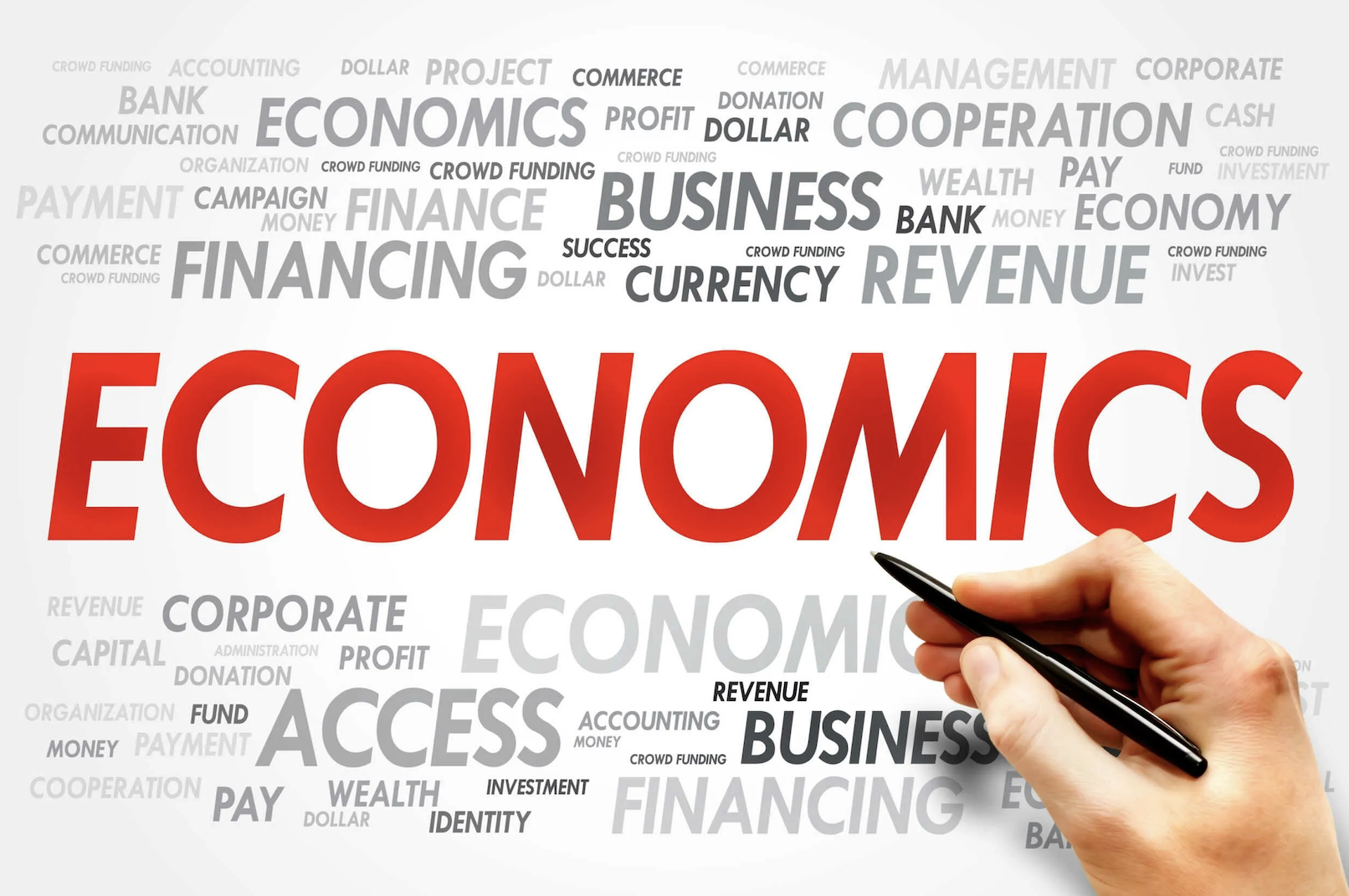
Economics isn’t just about numbers, it’s about people and the choices we make every day. Imagine every decision we make—about our jobs, homes, businesses, money, and time—as a single thread. Economics is the study of how these threads weave together, forming the patterns that shape our lives and societies.
Continue reading Post ID 50206
a·bol·ish (verb)
formally put an end to (a system, practice, or institution).
example – “the tax was abolished in 1977”
ab·o·li·tion – the action or an act of abolishing a system, practice, or institution.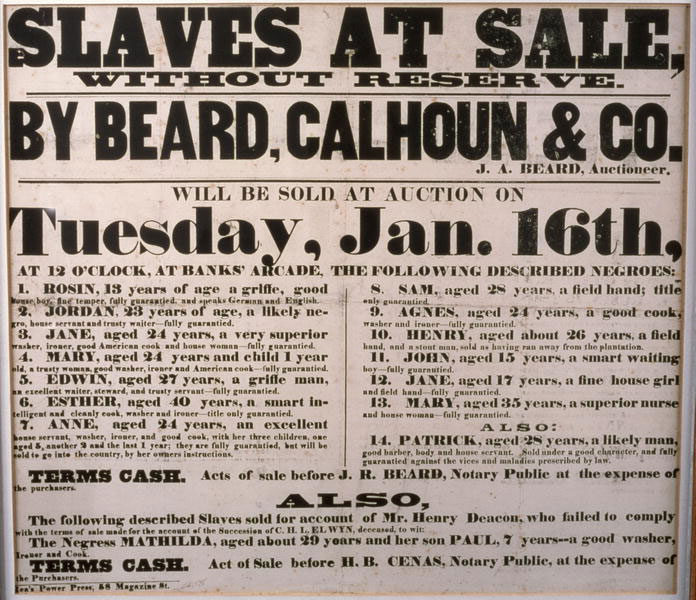
Continue reading Post ID 50206
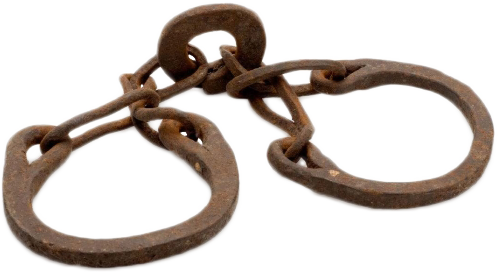 (Reuters) MARCH 2007 – Britain marks 200 years on March 25 since it enacted a law banning the trans-Atlantic slave trade, although full abolition of slavery did not follow for another generation.
CHRONOLOGY
a·bol·ish (verb)
formally put an end to (a system, practice, or institution).
example – “the tax was abolished in 1977”
ab·o·li·tion – the action or an act of abolishing a system, practice, or institution.
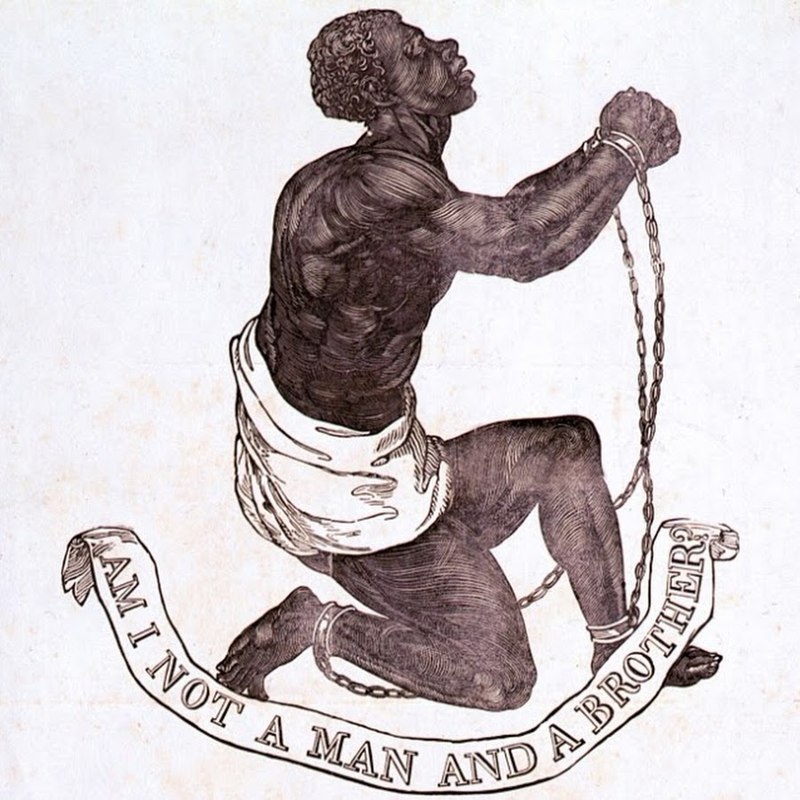
Continue reading Post ID 50206
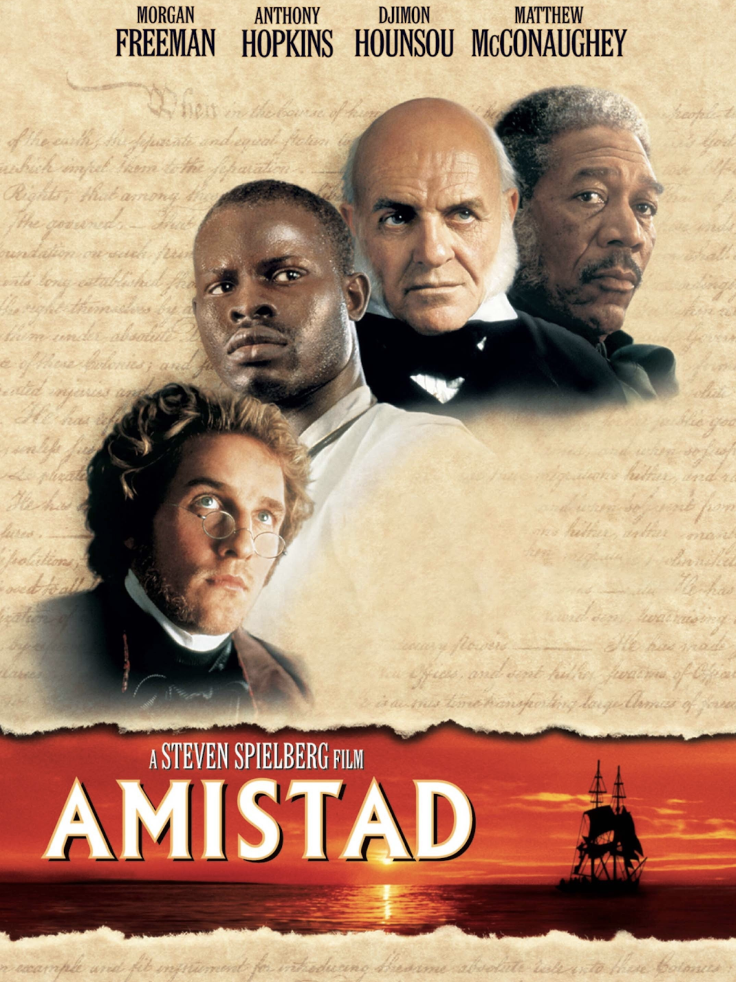 If one wishes to understand the causes of the Civil War and the development that led to the Emancipation Proclamation, it is imperative to understand the role of slavery in the nineteenth-century United States. One possible way of preparing students for this episode in American history is by viewing a movie that deals with the topic of slavery both from an emotional and a legal point of view. The movie Amistad includes both aspects. (Source:Christine Meißner)
Continue reading Post ID 50206
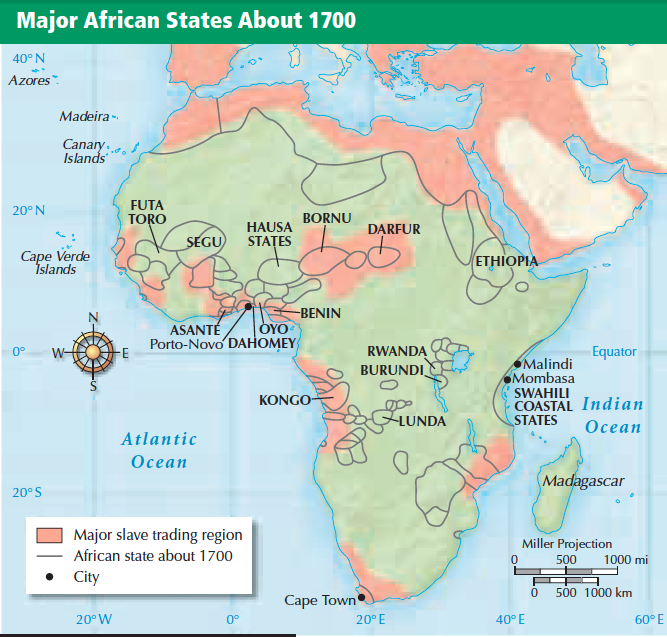
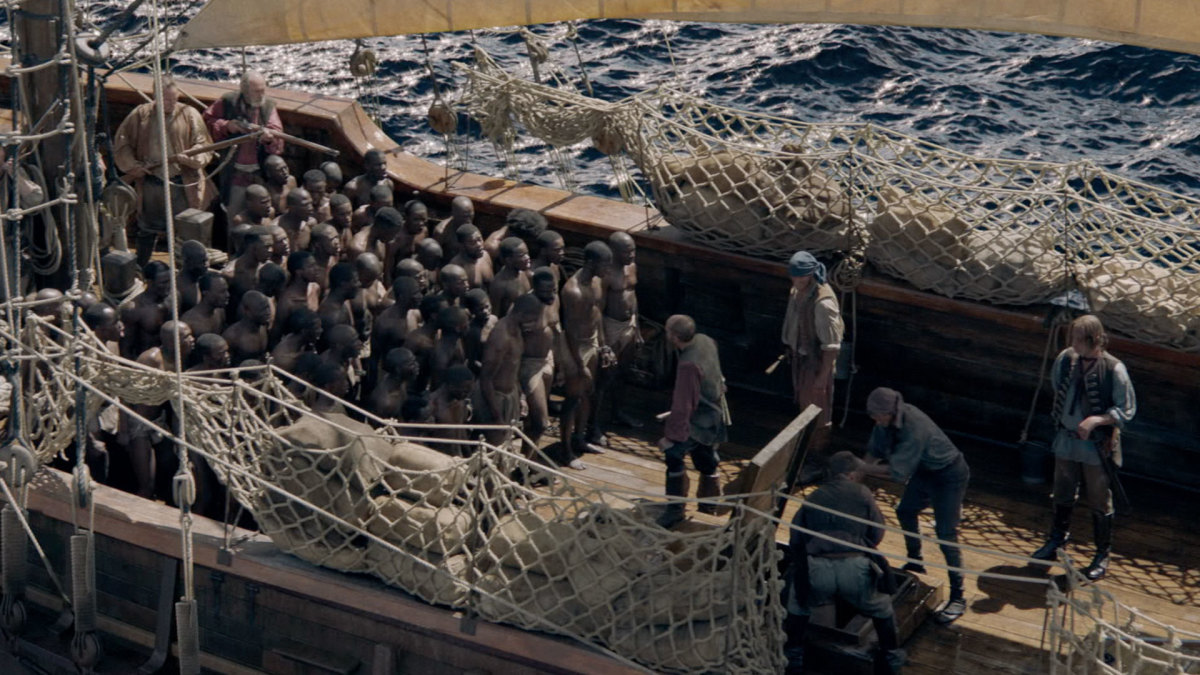
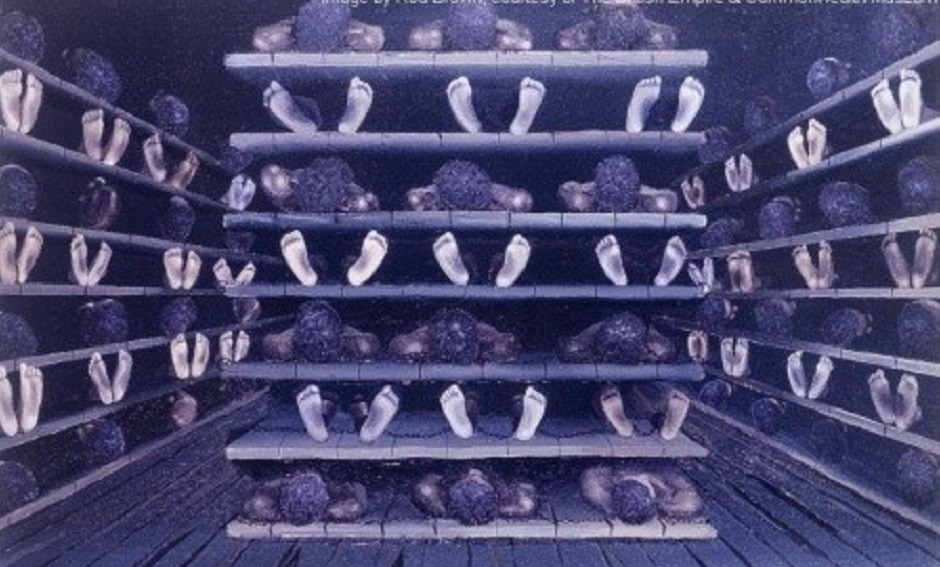
Slavery became a global industry for the first time in history when millions of African men and women were sold as slaves to Europeans.
 315 years. 20,528 voyages.
 Continue reading Post ID 50206

DIRECTIONS: Click on the following link and write out all 15 of the court cases in your journal titled:
GOV 26.96 Judicial Branch – The Top 15 Supreme Court Cases
15 Supreme Court cases that changed America (published June 27, 2013 – CNN)
http://www.cnn.com/2012/06/28/politics/gallery/landmark-scotus-cases/index.html?hpt=hp_bn3
Make sure you scroll through the pictures to see the captions below each picture.
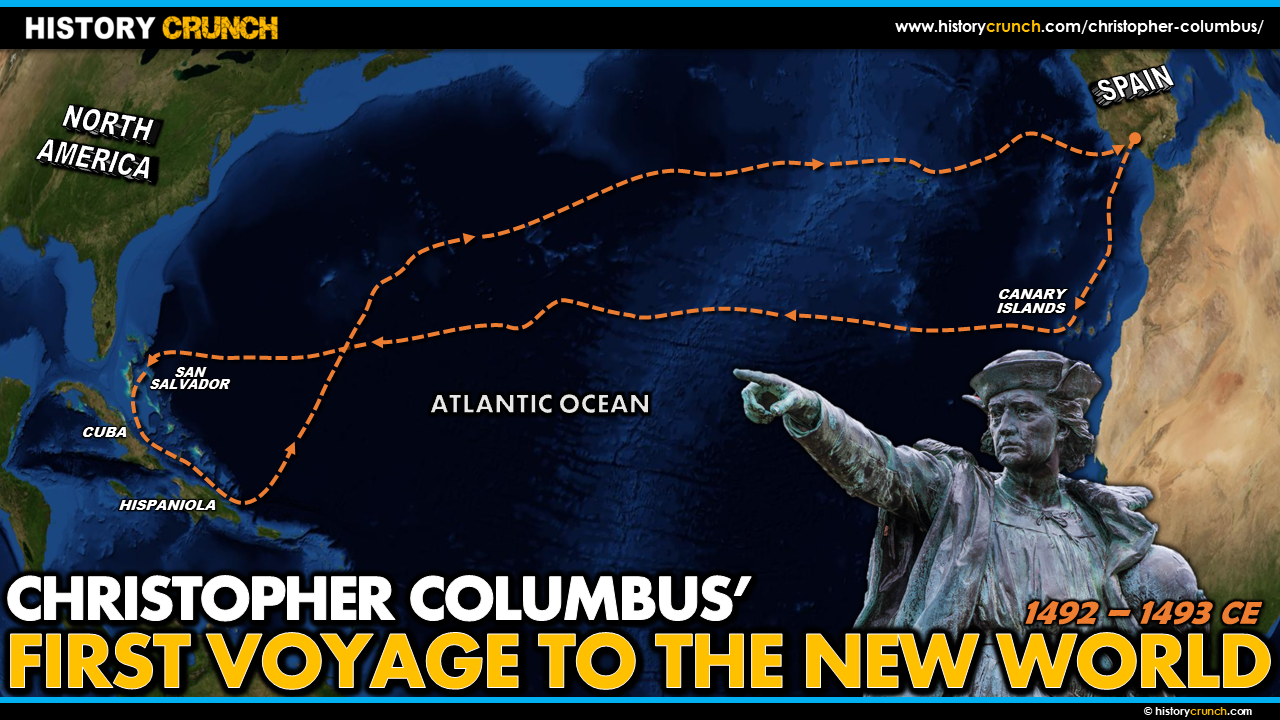
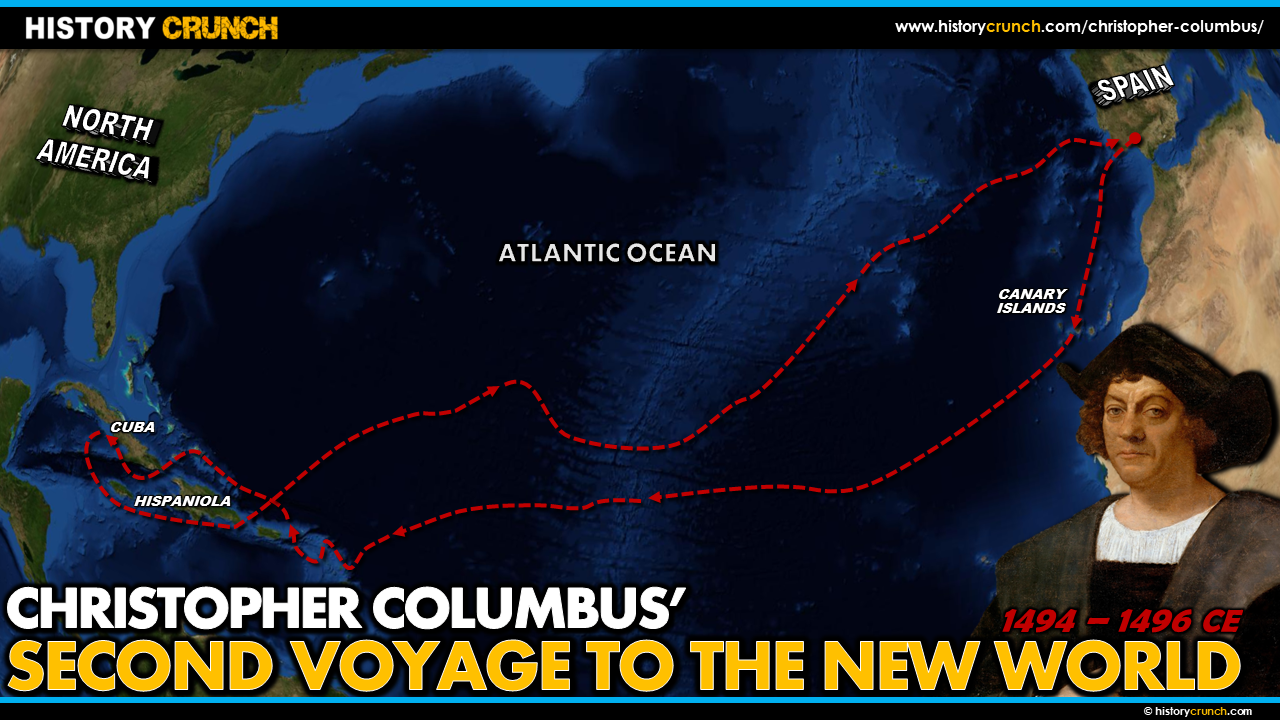
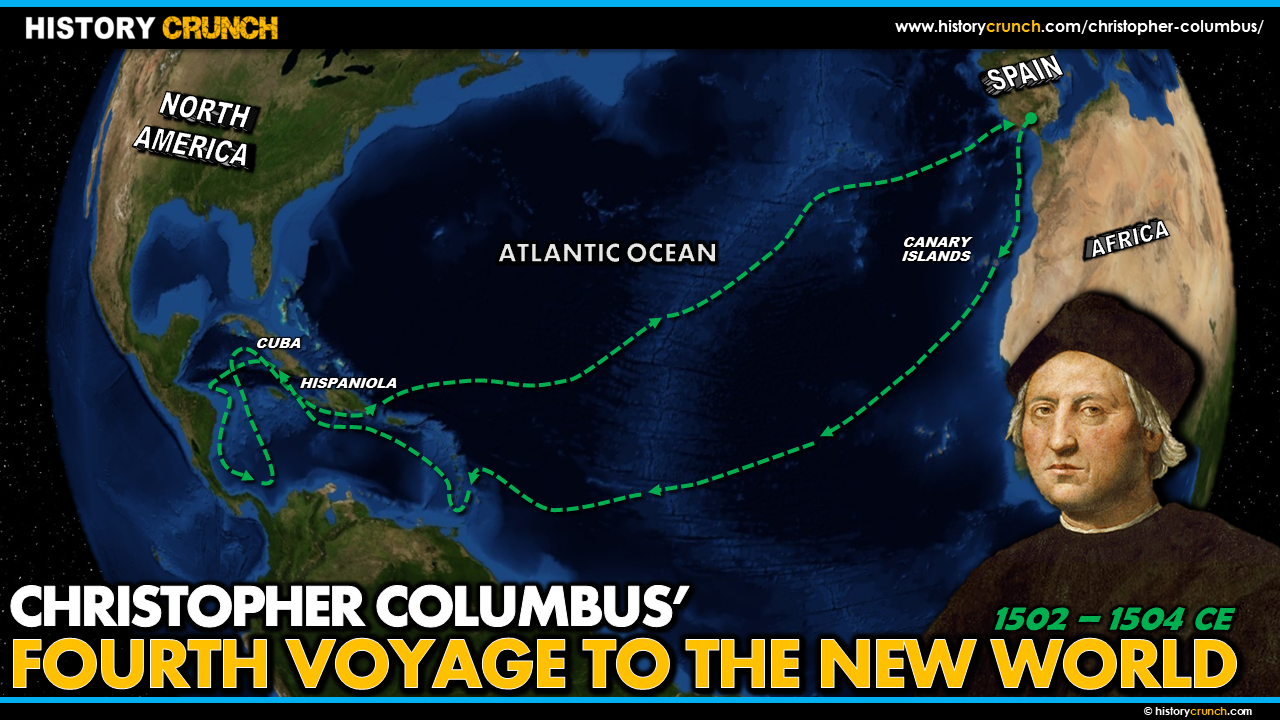
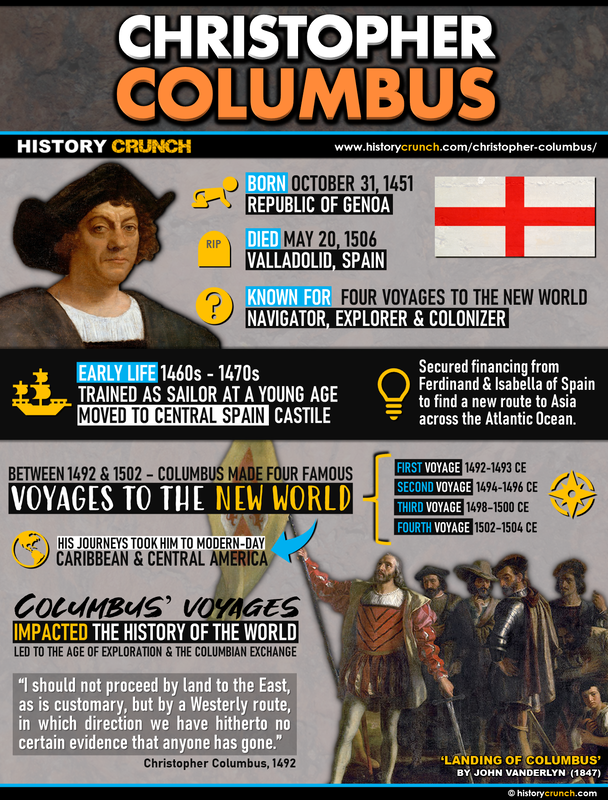
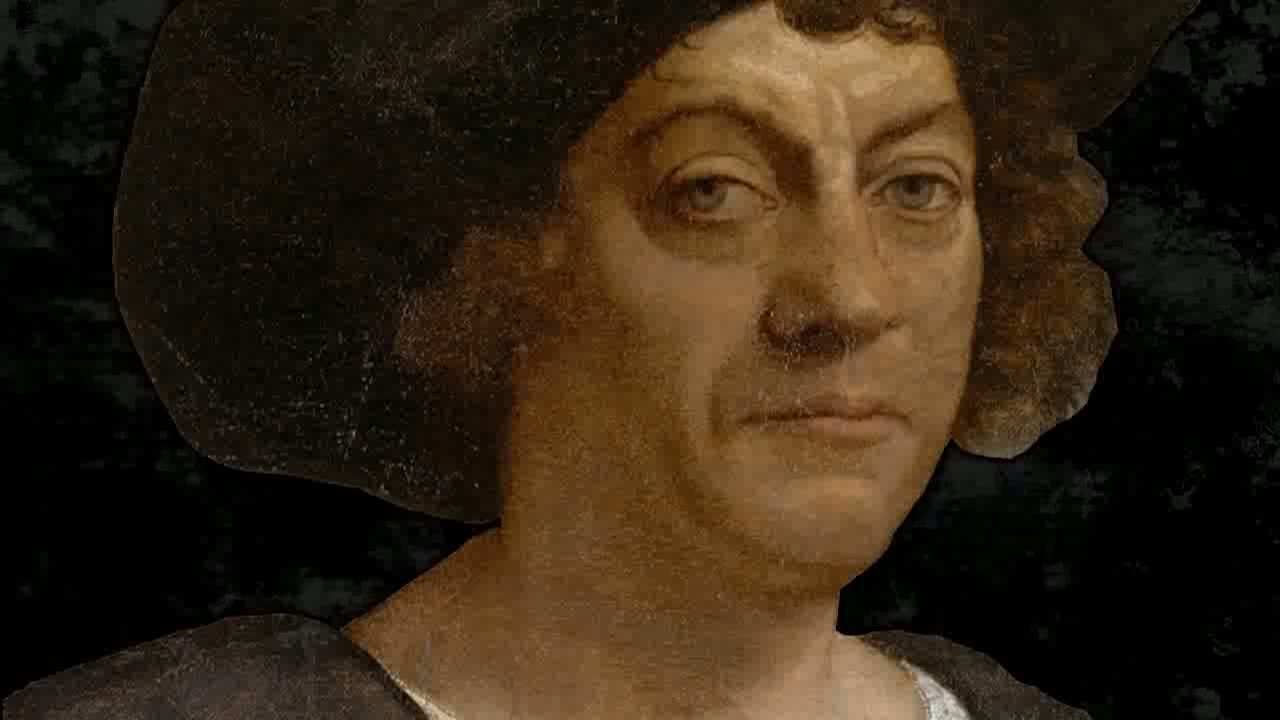 The purpose of this post is to provoke critical thought on Christopher Columbus and his lasting legacy that we still remember (and debate) today. Whether considered as an explorer, villain, or maniac, many cultures and peoples have strong sentiments on his particular voyages and their consequential effects.
Continue reading Post ID 50206
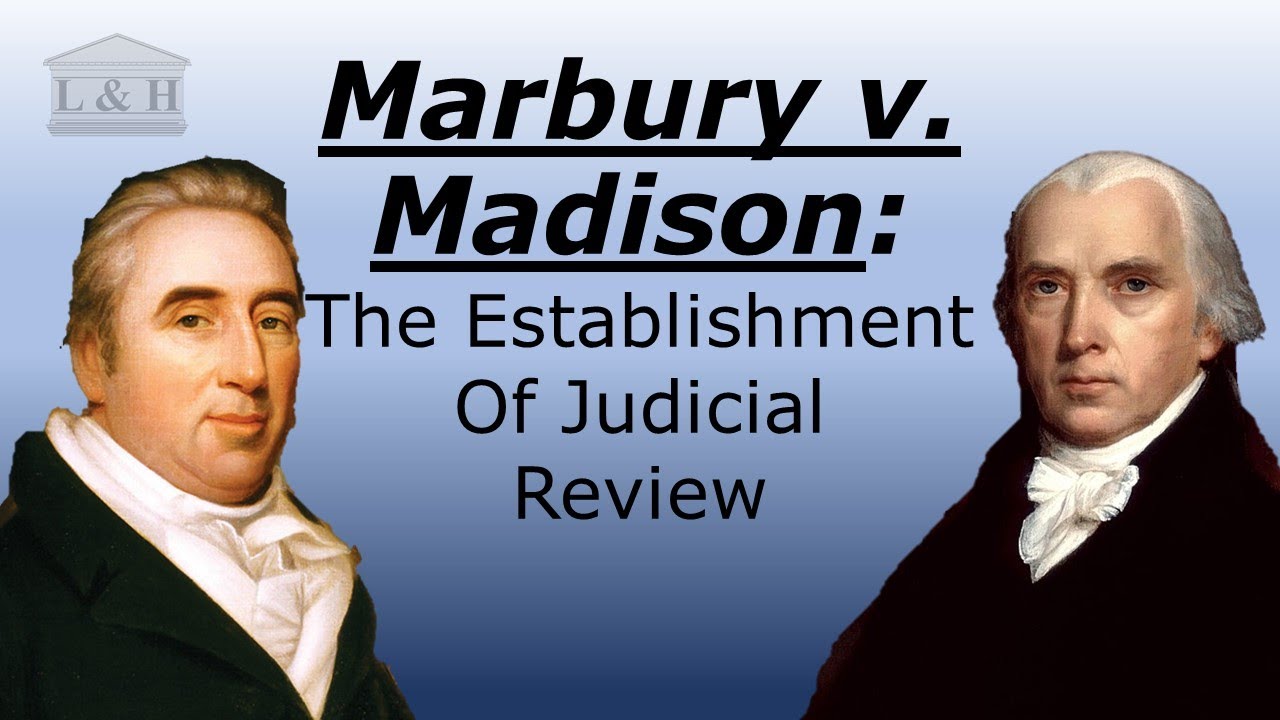
What happened in the 1803 United States court case between William Marbury and James Madison? What affect did it have on the young nation?
Continue reading Post ID 50206
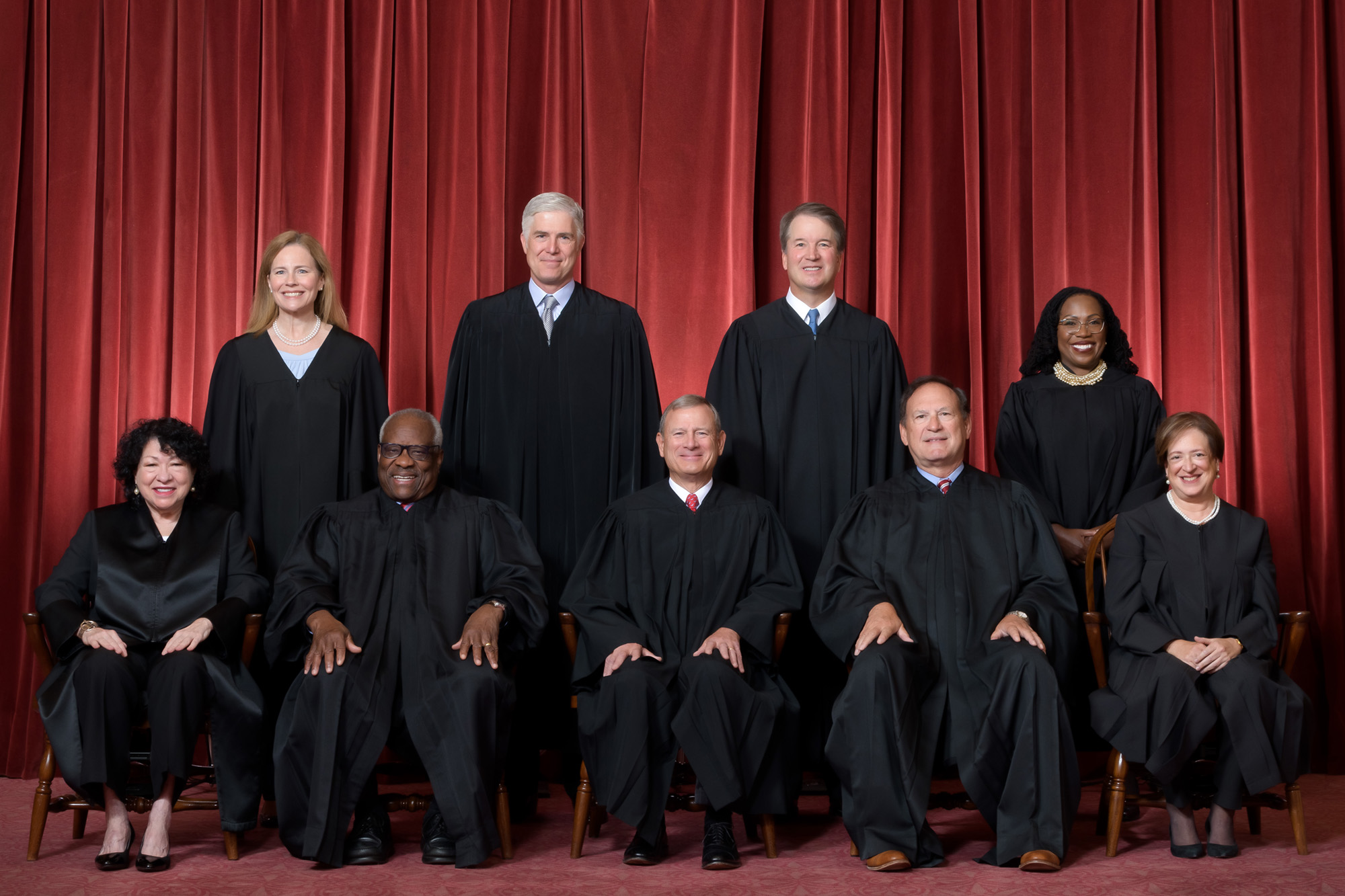
Front row, left to right — Associate Justices Sonia Sotomayor, Clarence Thomas, Chief Justice John G. Roberts, Jr., Associate Justices Samuel A. Alito, Jr. and Elena Kagan.
Back row — Associate Justices Amy Coney Barrett, Neil M. Gorsuch, Brett M. Kavanaugh and Ketanji Brown Jackson.
LATEST SUPREME COURT RULING (Posted 2/20/26):
Supreme Court rules that Trump’s sweeping emergency tariffs are illegal.
In a 6-3 opinion, the Supreme Court ruled that President Donald Trump violated federal law when he unilaterally imposed sweeping tariffs across the globe.
Continue reading Post ID 50206
Article III of the Constitution of the United States guarantees that every person accused of wrongdoing has the right to a fair trial before a competent judge and a jury of one’s peers.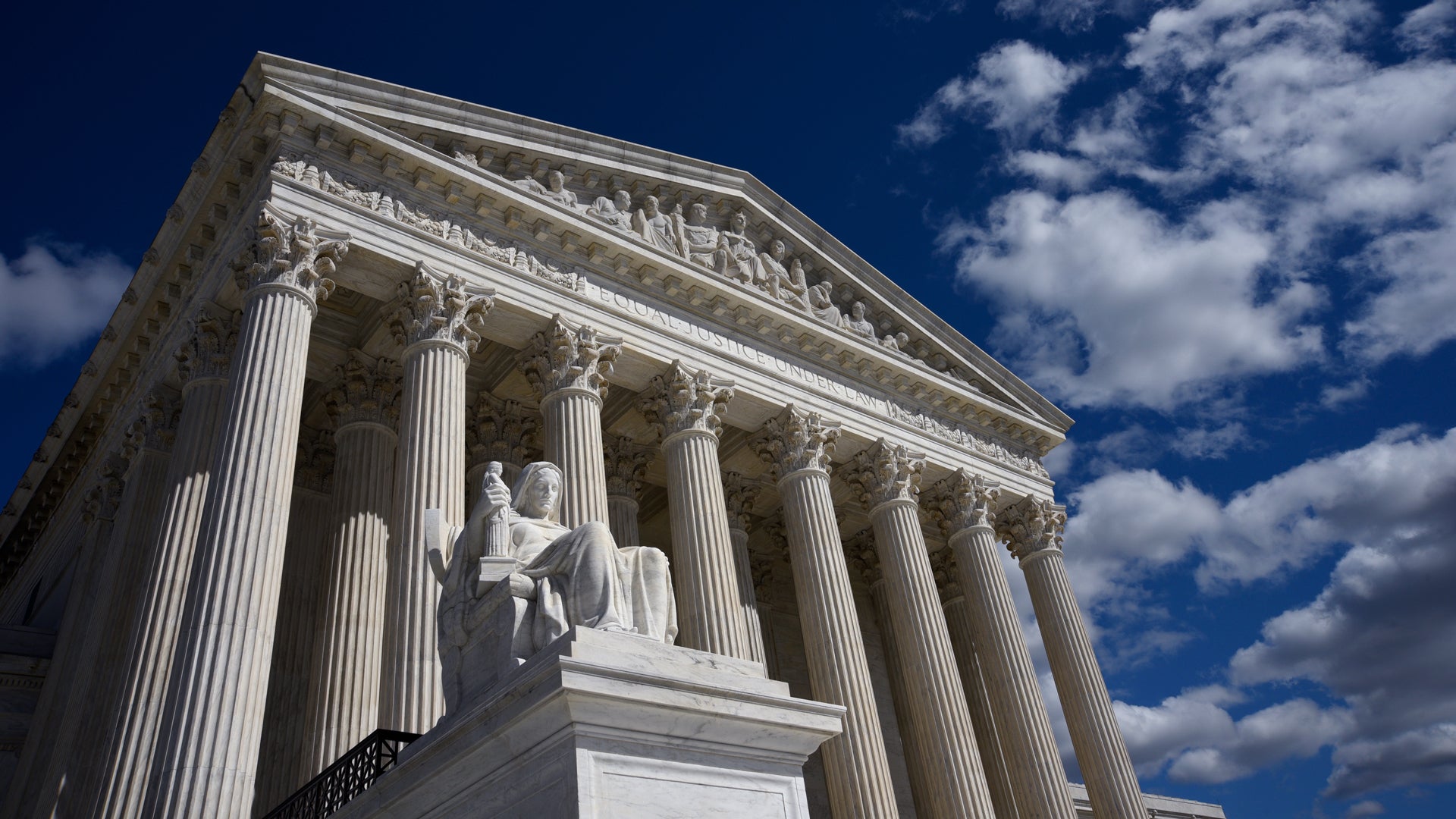
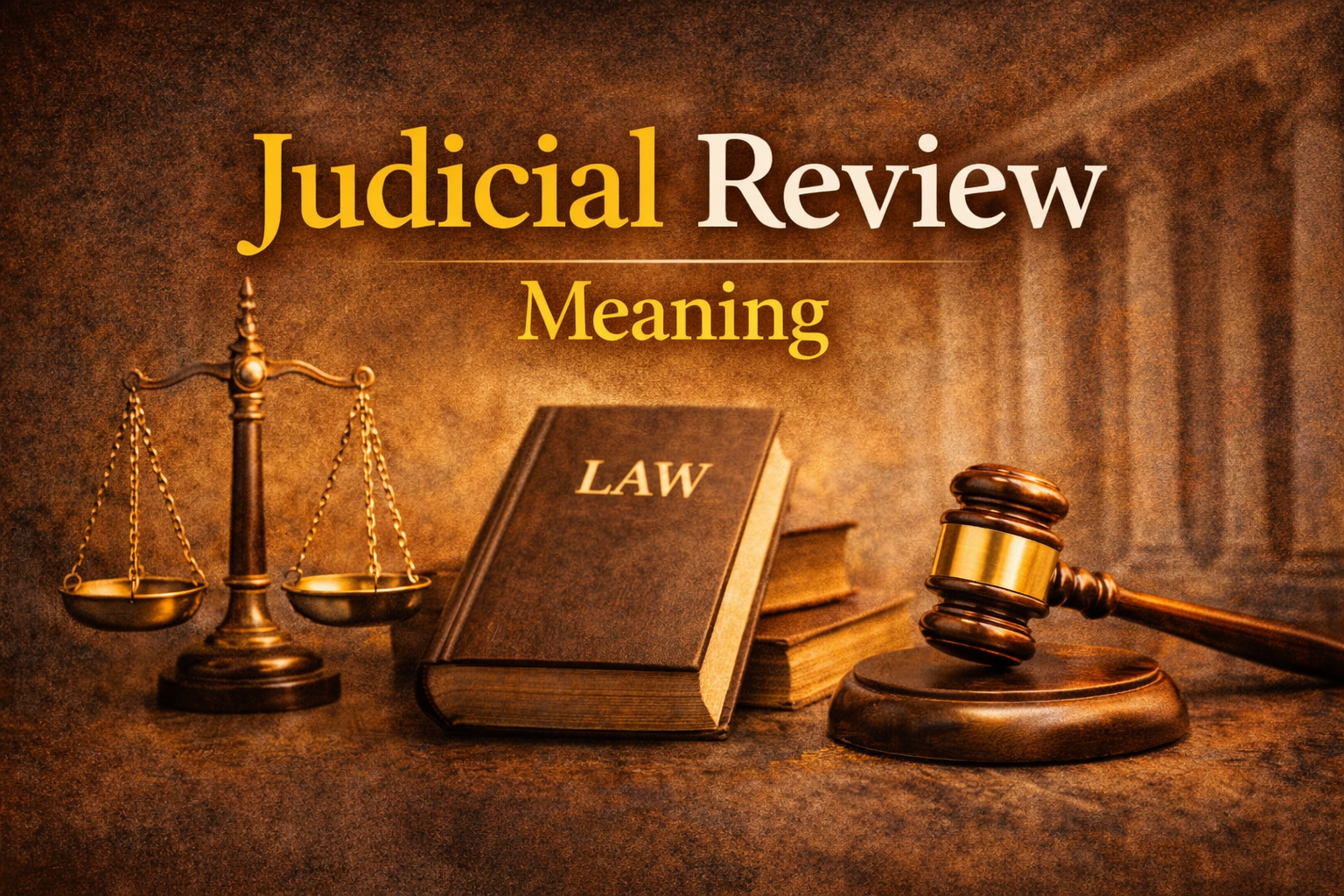
OBJECTIVES – Explain the principle of judicial review and how it checks the powers of the other institutions and state governments.
Continue reading Post ID 50206
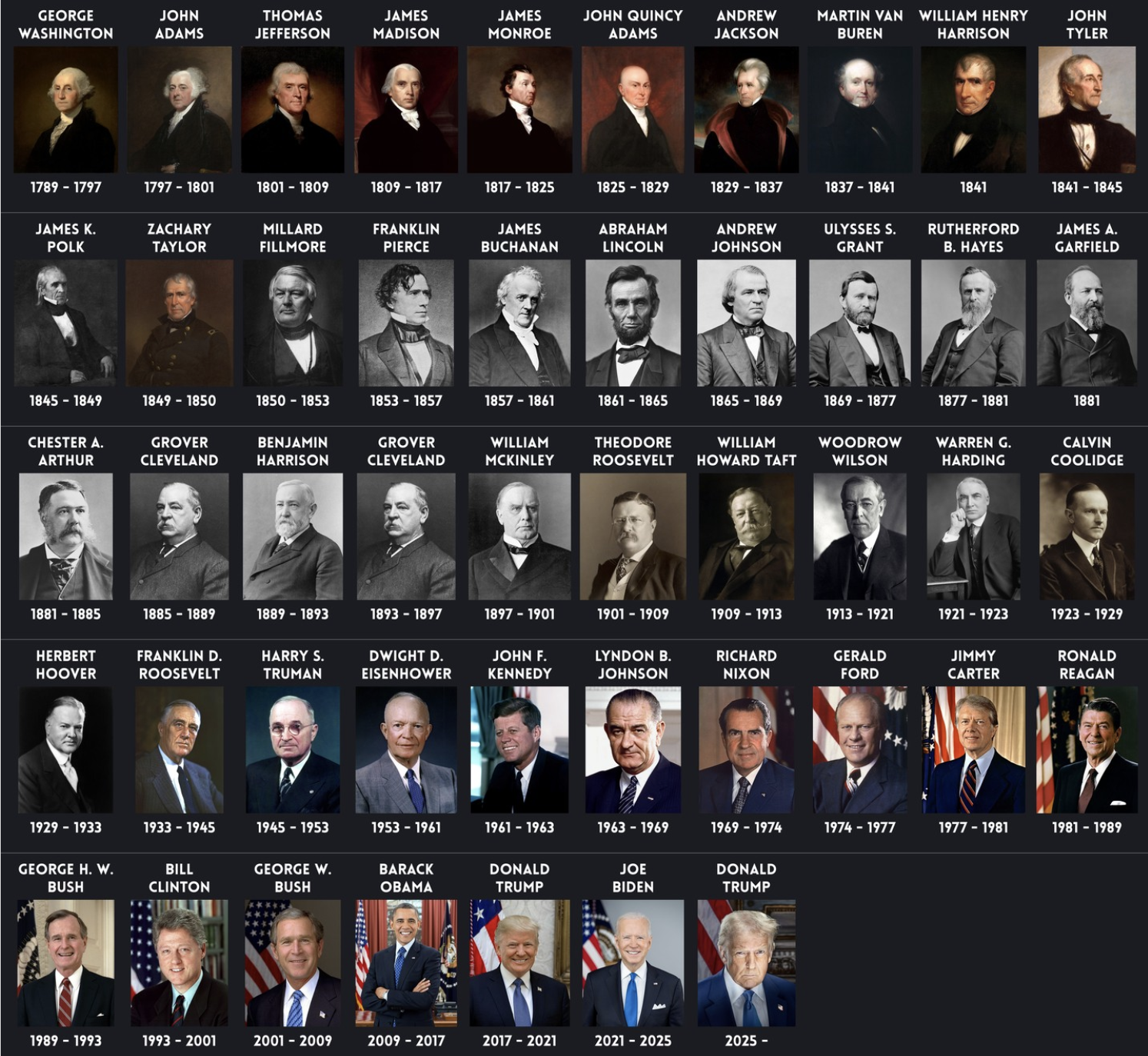
SOURCE: The American Presidency Project
Presidential Facts – CLICK HERE
Election Results by year – CLICK HERE
President Trump’s 1st 100 days in office (2nd Term, 2025) – CLICK HERE
The White House Correspondents’ Dinner is an annual event held by the White House Correspondents’ Association (WHCA) to celebrate the First Amendment and raise money for scholarships. It is traditionally attended by the President of the United States, journalists, government officials, and celebrities.
Continue reading Post ID 50206
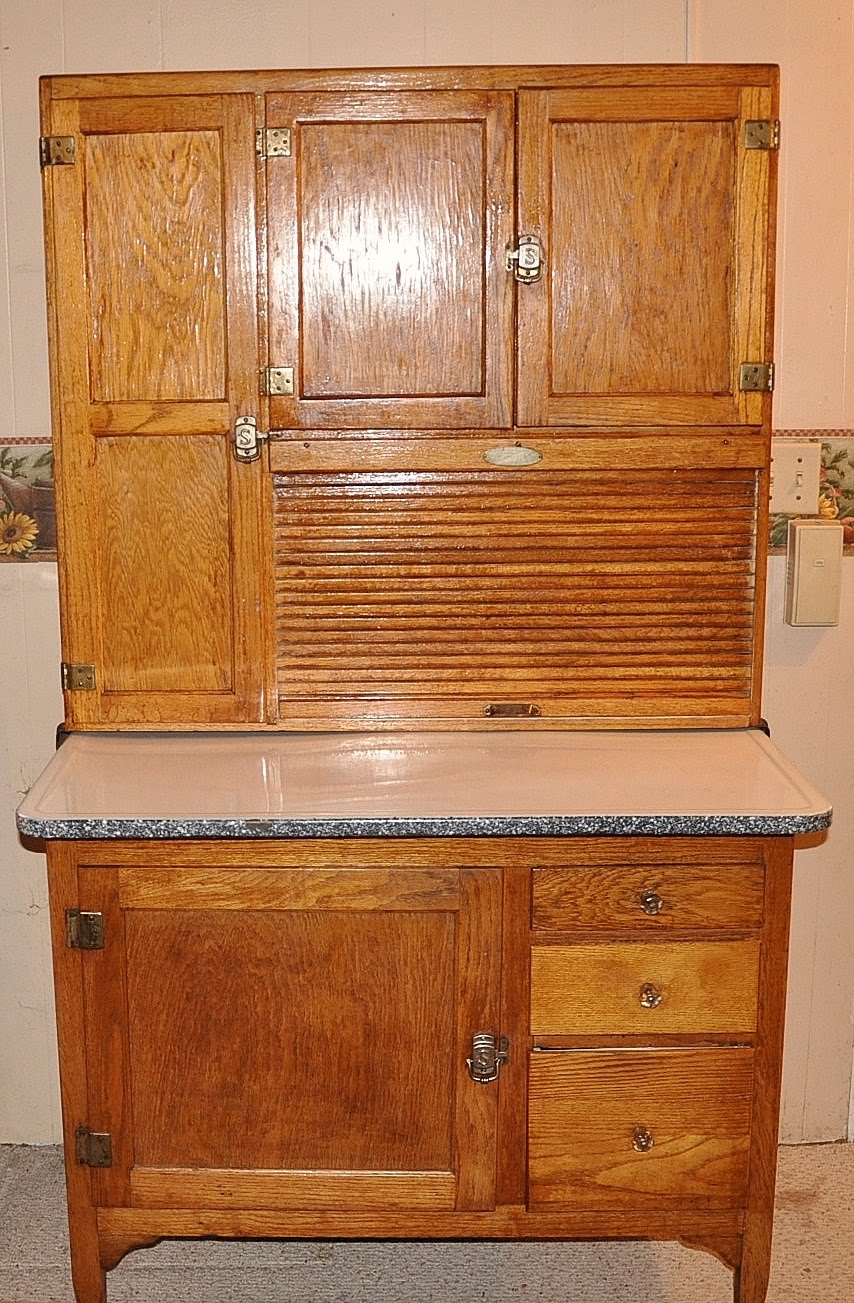
In need of a new cabinet? Well President Trump got to choose a new one . . . but don’t think we are talking about furniture.
Continue reading Post ID 50206
His Excellency, His Mightiness, His High Mightiness The President of the United States and defender of our Liberties.
Continue reading Post ID 50206
Veto – the power of one person or group in authority to reject or block a decision, proposal, or law made by another, often acting as a final “no”. Derived from the Latin for “I forbid,” it acts as a check on power, such as a president rejecting legislation passed by Congress.
 Continue reading Post ID 50206
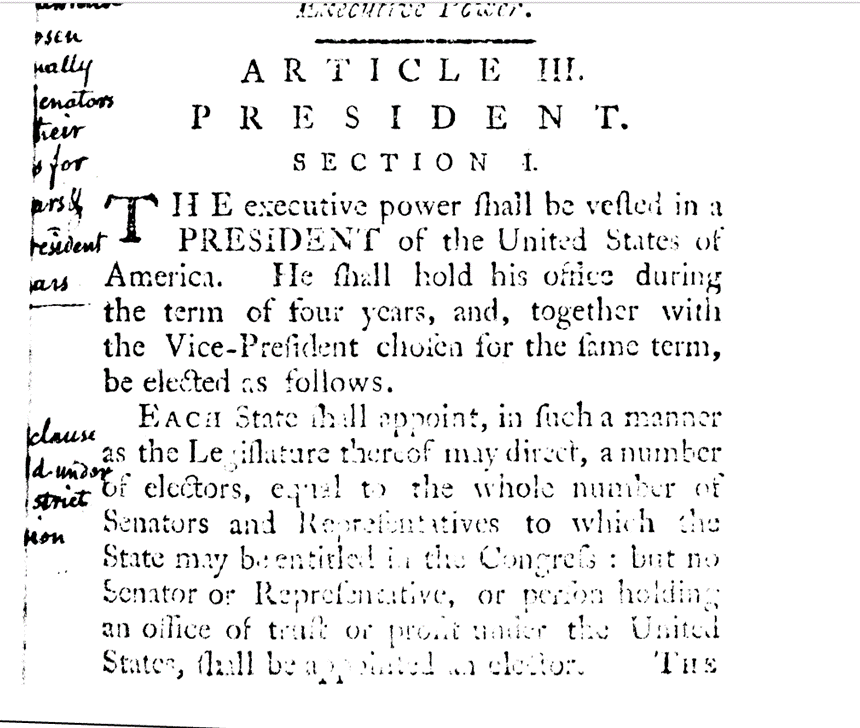
Article II, Section 1 of the Constitution states: “The executive Power shall be vested in a President of the United States of America.” The president not only heads the executive branch of the federal government, but is also head of state and commander-in-chief of the armed forces.

 CLICK HERE
Launched online in 1997, Politics1 is published as a non-partisan public service to promote fully informed decision-making by the American electorate. One of the pioneering political blog and news sites, Politics1 has drawn a sizable and devoted audience of political professionals, journalists, educators, and activists.
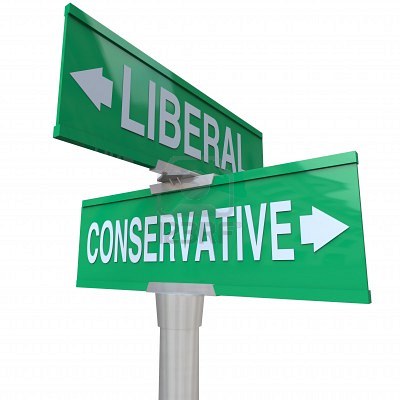
As we continue discussing different and opposing political and economic spectrums, let’s take a look at where you stand on your personal beliefs.
We all want the same things in life. We want freedom; we want the chance for prosperity; we want as few people suffering as possible; we want healthy children; we want to have crime-free streets. The argument is how to achieve them…
 CAVEAT LECTOR:
 Continue reading Post ID 50206
The Constitution written in 1787 lays the ground work for how our government works. Established by Article I of the Constitution, the Legislative Branch consists of the House of Representatives and the Senate.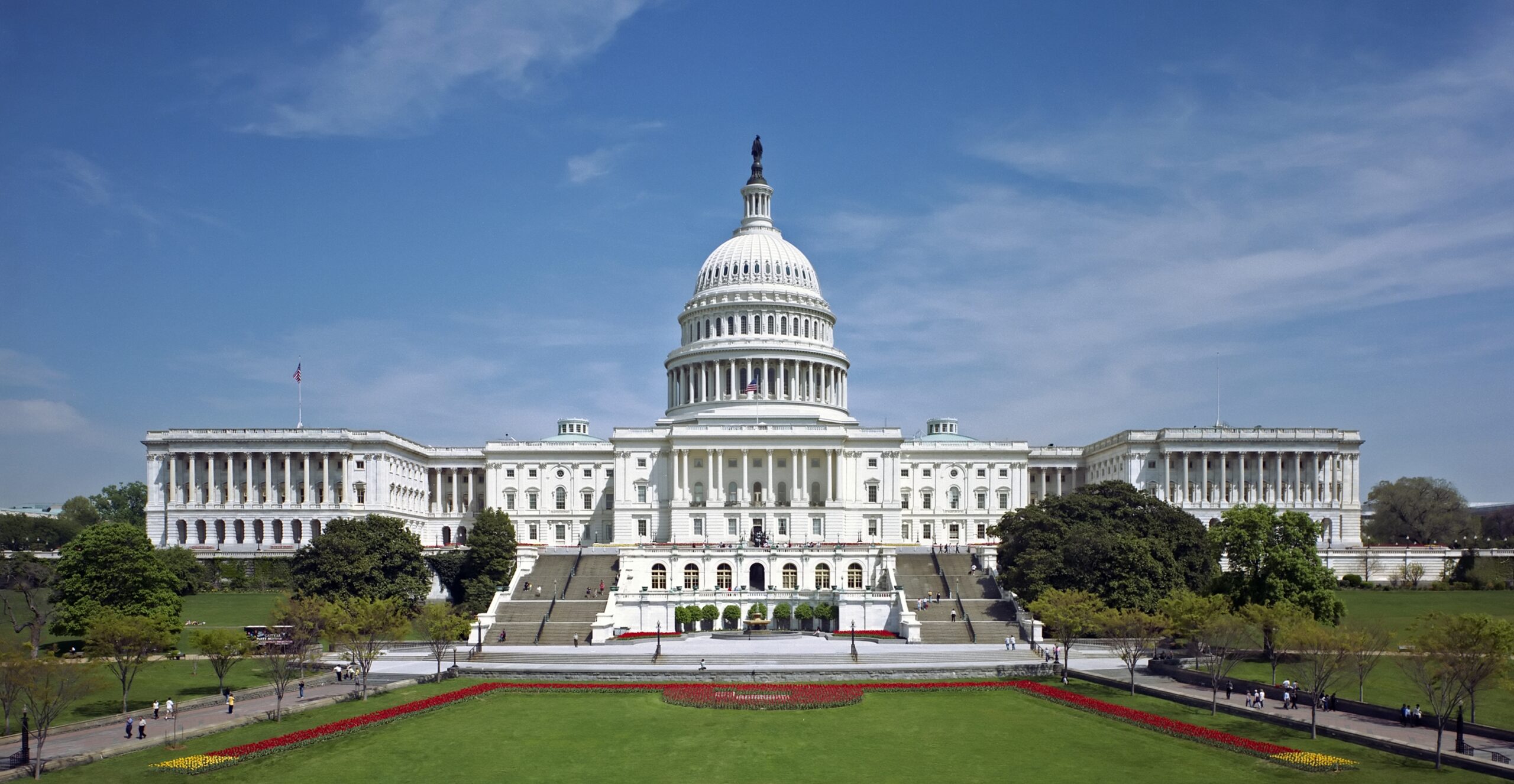
Continue reading Post ID 50206
a·mend·ment (noun)
a minor change or addition designed to improve a text, piece of legislation, etc.
Similar: revision, alteration, change, modification, adjustment, edit, update
made to the U.S. Constitution
The powers not delegated to the United States by the Constitution, nor prohibited by it to the States, are reserved to the States respectively, or to the people.
Continue reading Post ID 50206
a·mend·ment (noun)
a minor change or addition designed to improve a text, piece of legislation, etc.
Similar: revision, alteration, change, modification, adjustment, edit, update
made to the U.S. Constitution
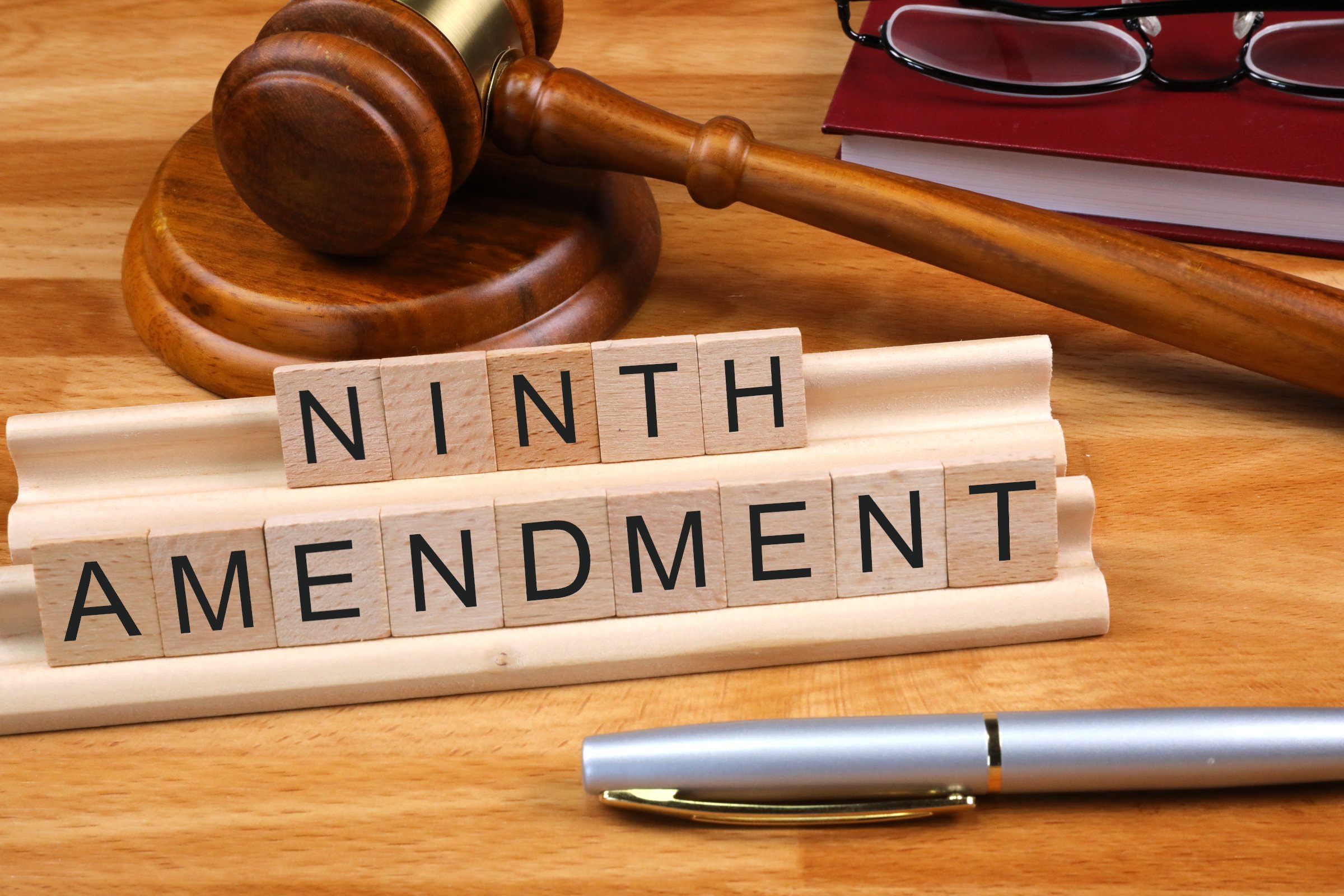
The enumeration in the Constitution, of certain rights, shall not be construed to deny or disparage others retained by the people.
Continue reading Post ID 50206
a·mend·ment (noun)
a minor change or addition designed to improve a text, piece of legislation, etc.
Similar: revision, alteration, change, modification, adjustment, edit, update
made to the U.S. Constitution

Excessive bail shall not be required, nor excessive fines imposed, nor cruel and unusual punishments inflicted.
Continue reading Post ID 50206
a·mend·ment (noun)
a minor change or addition designed to improve a text, piece of legislation, etc.
Similar: revision, alteration, change, modification, adjustment, edit, update
made to the U.S. Constitution
In Suits at common law, where the value in controversy shall exceed twenty dollars, the right of trial by jury shall be preserved, and no fact tried by a jury, shall be otherwise re-examined in any Court of the United States, than according to the rules of the common law.
Continue reading Post ID 50206
a·mend·ment (noun)
a minor change or addition designed to improve a text, piece of legislation, etc.
Similar: revision, alteration, change, modification, adjustment, edit, update
made to the U.S. Constitution
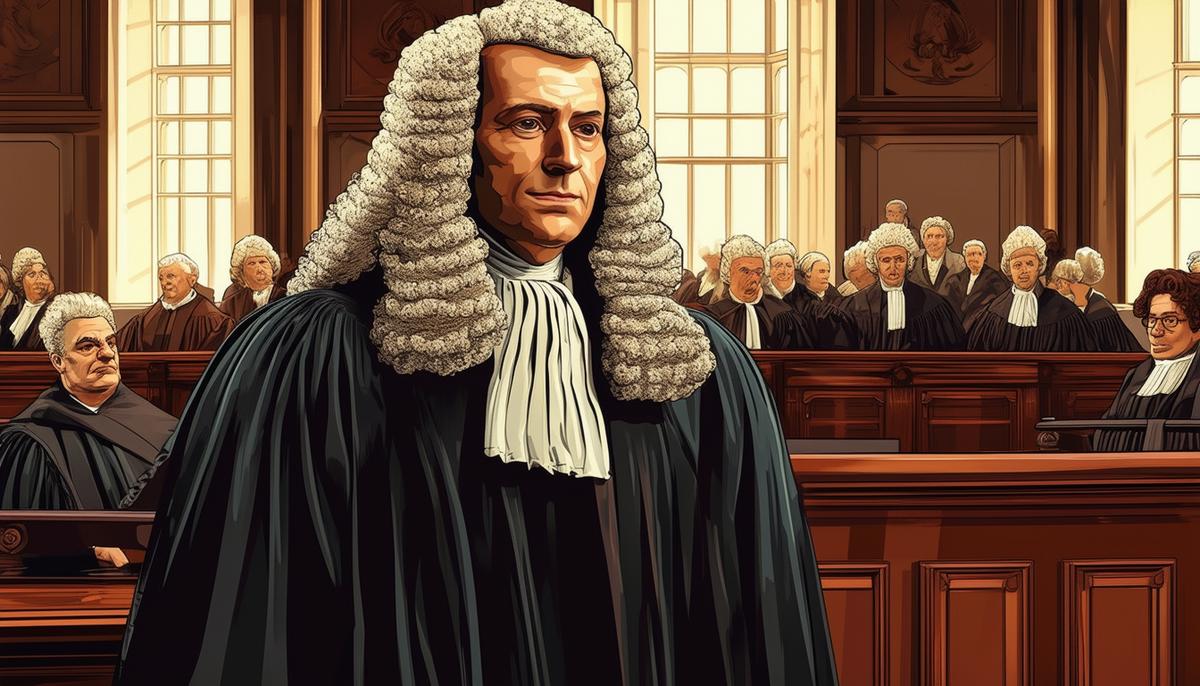
In all criminal prosecutions, the accused shall enjoy the right to a speedy and public trial, by an impartial jury of the State and district wherein the crime shall have been committed, which district shall have been previously ascertained by law, and to be informed of the nature and cause of the accusation; to be confronted with the witnesses against him; to have compulsory process for obtaining witnesses in his favor, and to have the Assistance of Counsel for his defence.
Continue reading Post ID 50206






You must be logged in to post a comment.