

Continue reading Post ID 20907
CAVEAT LECTOR: You may find yourself agreeing or disagreeing with this video . . . where do you stand on this topic?
Types of Government, Explained

Continue reading Post ID 20907
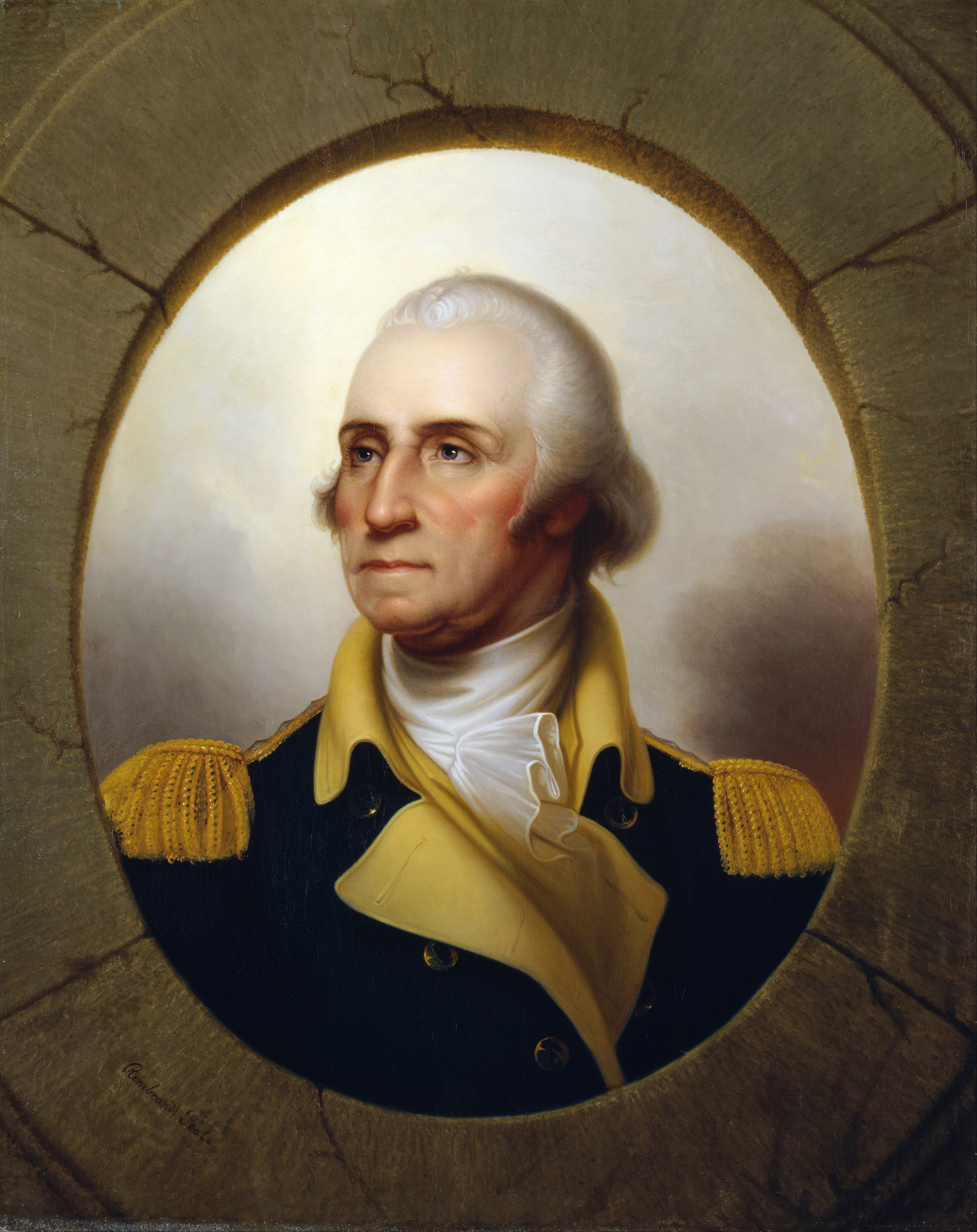
“My brave fellows, you have done all I asked you to do, and more than can be reasonably expected; but your country is at stake, your wives, your houses and all that you hold dear. You have worn yourselves out with fatigues and hardships, but we know not how to spare you. If you will consent to stay one month longer, you will render that service to the cause of liberty, and to your country, which you probably can never do under any other circumstances.”
“We have abundant reason to rejoice, that, in this land, the light of truth and reason has triumphed over the power of bigotry and superstition, and that every person may here worship God according to the dictates of his own heart.”

Continue reading Post ID 20907
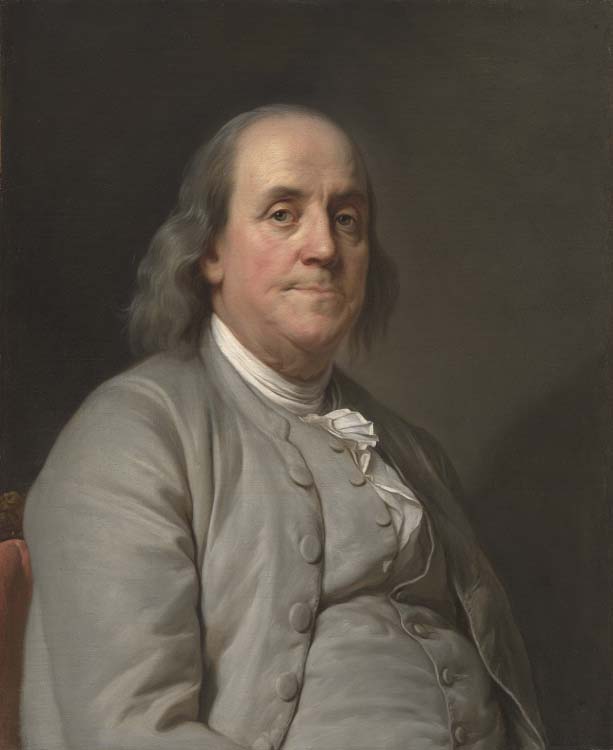
“Be always at war with your vices, at peace with your neighbors, and let each new year find you a better man.”
“It is easier to prevent bad habits than to break them.”
Continue reading Post ID 20907
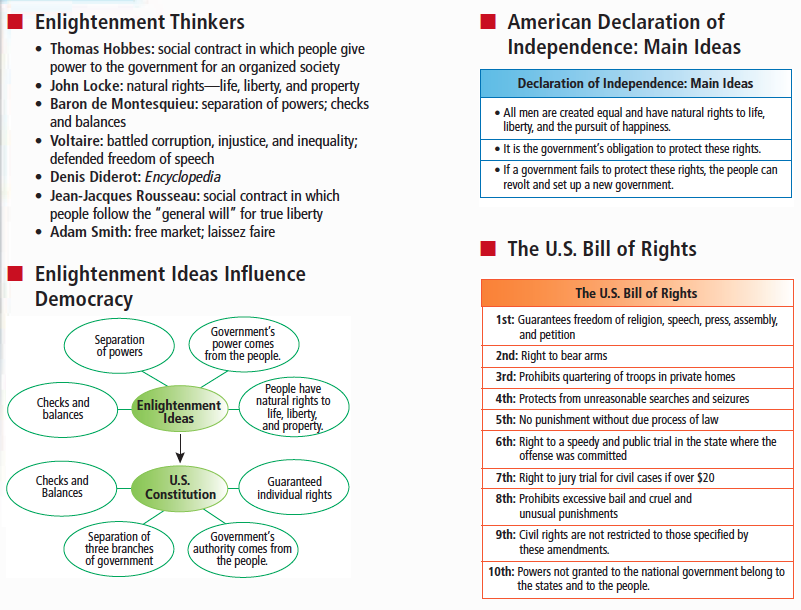
The Enlightenment, sometimes called the Age of Reason, sought to shine the “light” of reason on traditional ideas about government and society. Enlightenment thinkers promoted goals of material well-being, social justice, and worldly happiness. Their ideas about government and society stood in sharp contrast to the old principles of divine-right rule, a rigid social hierarchy, and the promise of a better life in heaven. Since the 1700s, Enlightenment ideas have spread, creating upheaval as they challenge established traditions around the world.
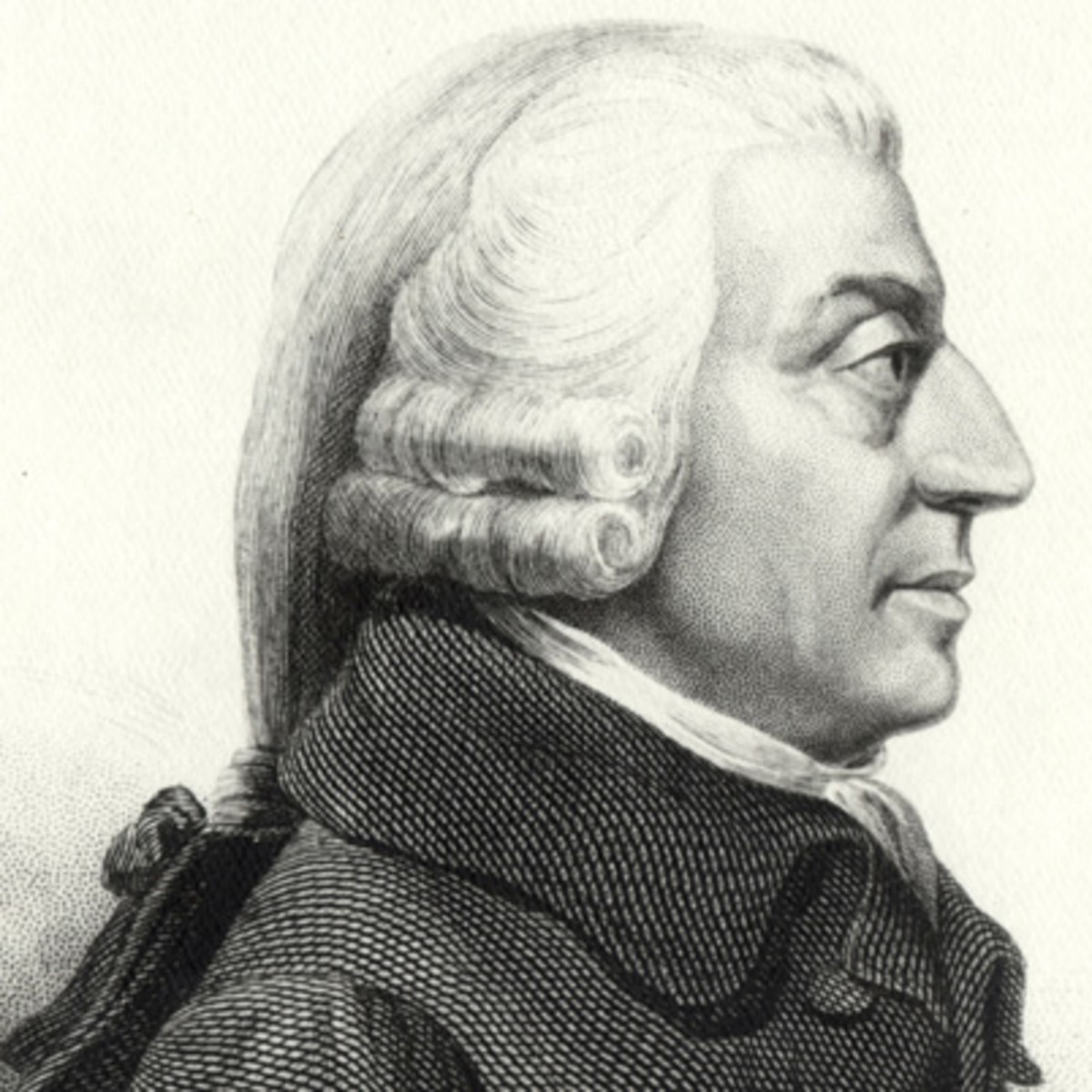
Adam Smith (1723 – 1790) was a Scottish economist, philosopher and author as well as a moral philosopher, a pioneer of political economy and a key figure during the Scottish Enlightenment, also known as ”The Father of Economics” or ”The Father of Capitalism”.
Continue reading Post ID 20907


You must be logged in to post a comment.