
John Locke was an English philosopher and physician, widely regarded as one of the most influential of the Enlightenment thinkers and commonly known as the “father of liberalism”. (1632–1704)
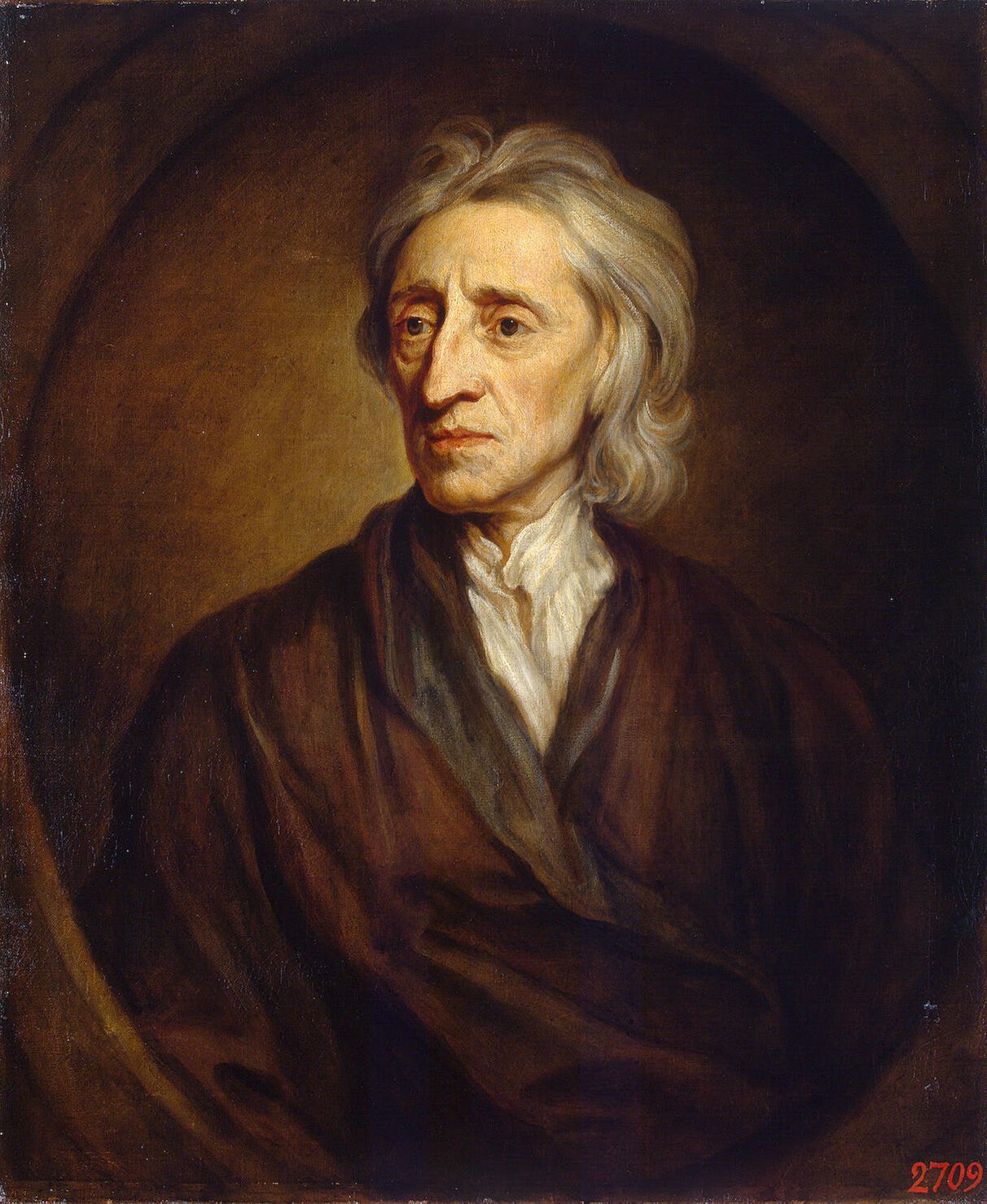 Continue reading Post ID 20594
-
-
GOV 26.18 The Enlightenment – Elegance of Baroque Music and Dance
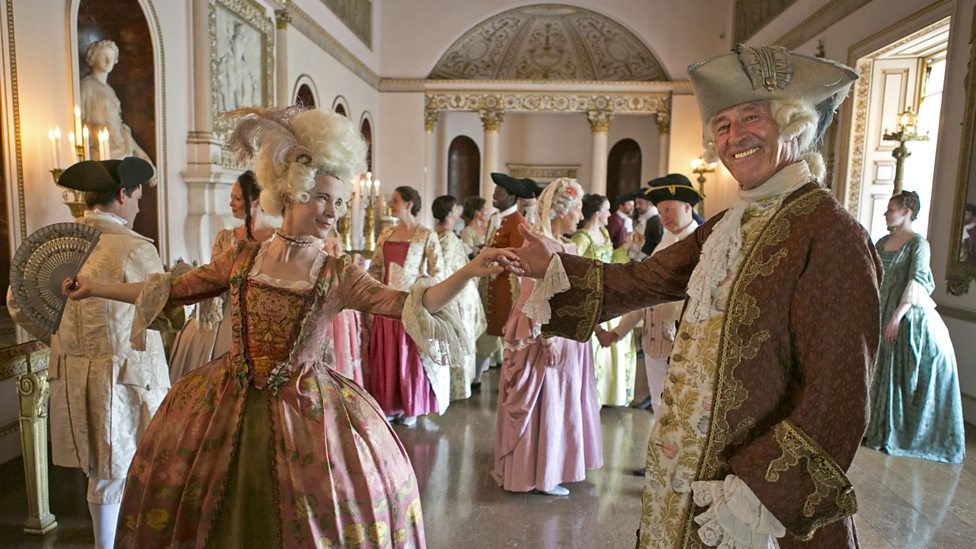
Baroque music is a style of Western art music composed from approximately 1600 to 1750. This era followed after the Renaissance music era, and was followed in turn by the Classical era.
Continue reading Post ID 20594
-
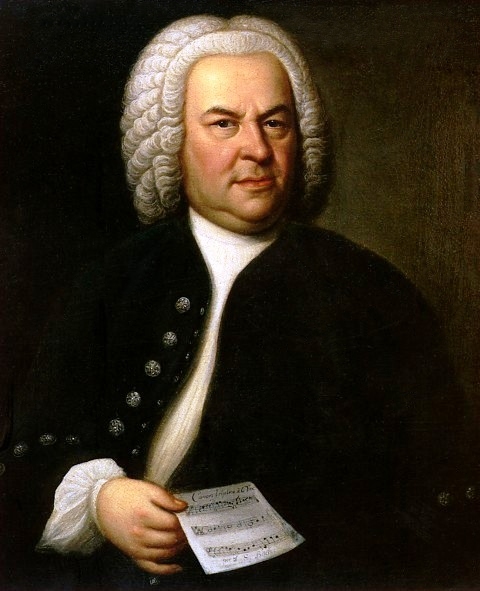
GOV 24.17 The Enlightenment and Music – Johann Sebastian Bach
Johann Sebastian Bach (1685 – 1750) was a German composer and musician of the Baroque period.
Continue reading Post ID 20594
-
GOV 26.16 The Enlightenment and Music – George Frideric Handel
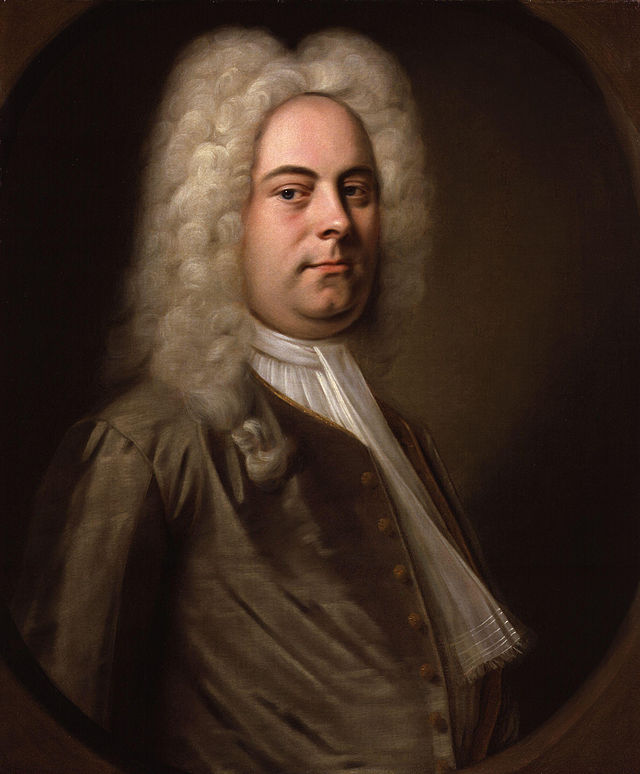
Baroque composer George Handel was born February 23, 1685, in Halle, Germany. In 1704 Handel made his debut as an opera composer with Almira. He produced several operas with the Royal Academy of Music before forming the New Royal Academy of Music in 1727. When Italian operas fell out of fashion, he started composing oratorios, including Messiah. George Handel died April 14, 1759, in London, England
Continue reading Post ID 20594
-
GOV 26.15 The Enlightenment and Music – Wolfgang Amadeus Mozart
Composer, Pianist (1756–1791)
A prolific artist, Austrian composer Wolfgang Mozart created a string of operas, concertos, symphonies and sonatas that profoundly shaped classical music.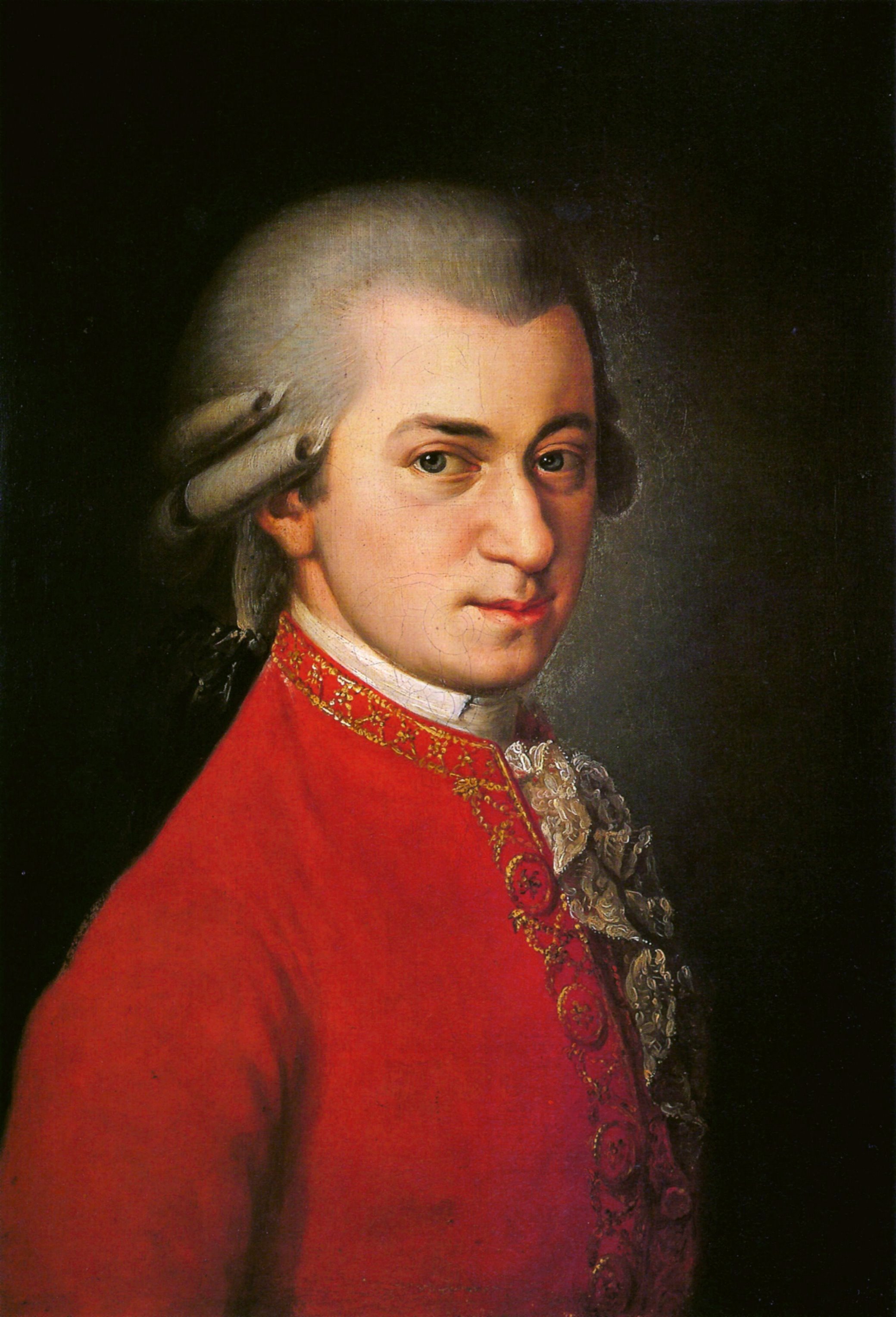
Wolfgang Amadeus Mozart learned the piano at the age of three, and soon developed his skills in all musical forms. Widely recognized as one of the greatest composers of all time, he produced over 600 works.
Continue reading Post ID 20594
-
GOV 26.13 The Age of Enlightenment (ROAD MAP!)
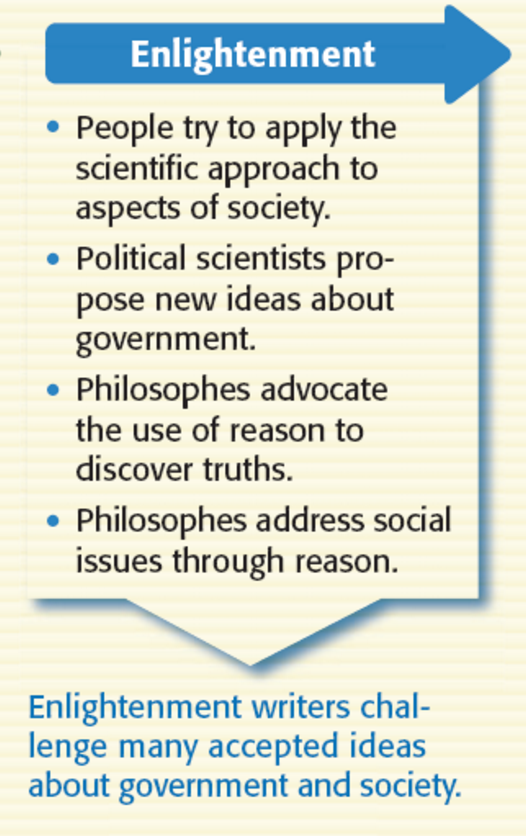 The Age of Enlightenment (1700-1800) Continue reading Post ID 20594
-
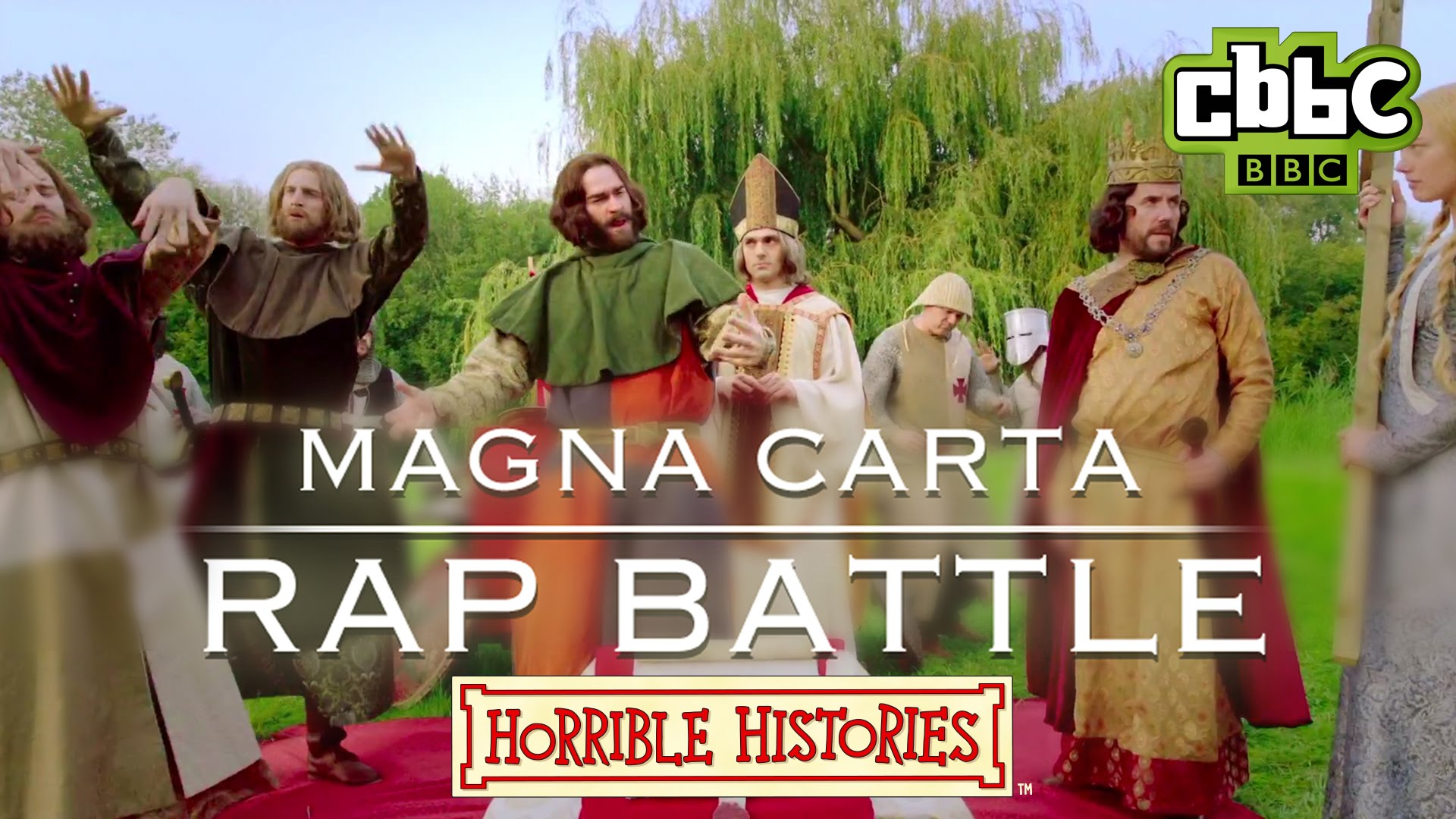
GOV 26.11 The Magna Carta
The SHOWDOWN BETWEEN
NOBILITY vs KING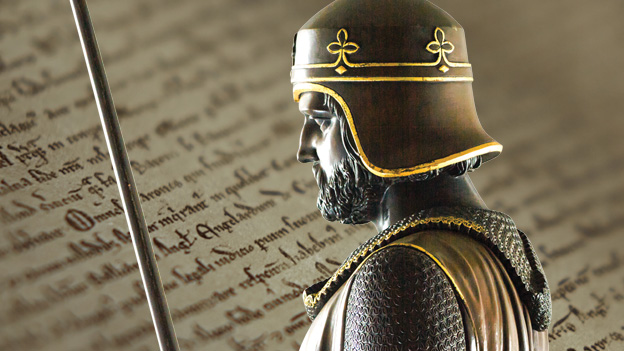 Following a revolt by the English nobility against his rule in 1215, King John is forced to put his royal seal on the Magna Carta, or “Great Charter.” The document, essentially a peace treaty between John and his barons, guaranteed that the king would respect feudal rights and privileges, uphold the freedom of the church, and maintain the nation’s laws.
The Magna Carta was seen as a cornerstone in the development of democratic England by later generations.
Continue reading Post ID 20594
-
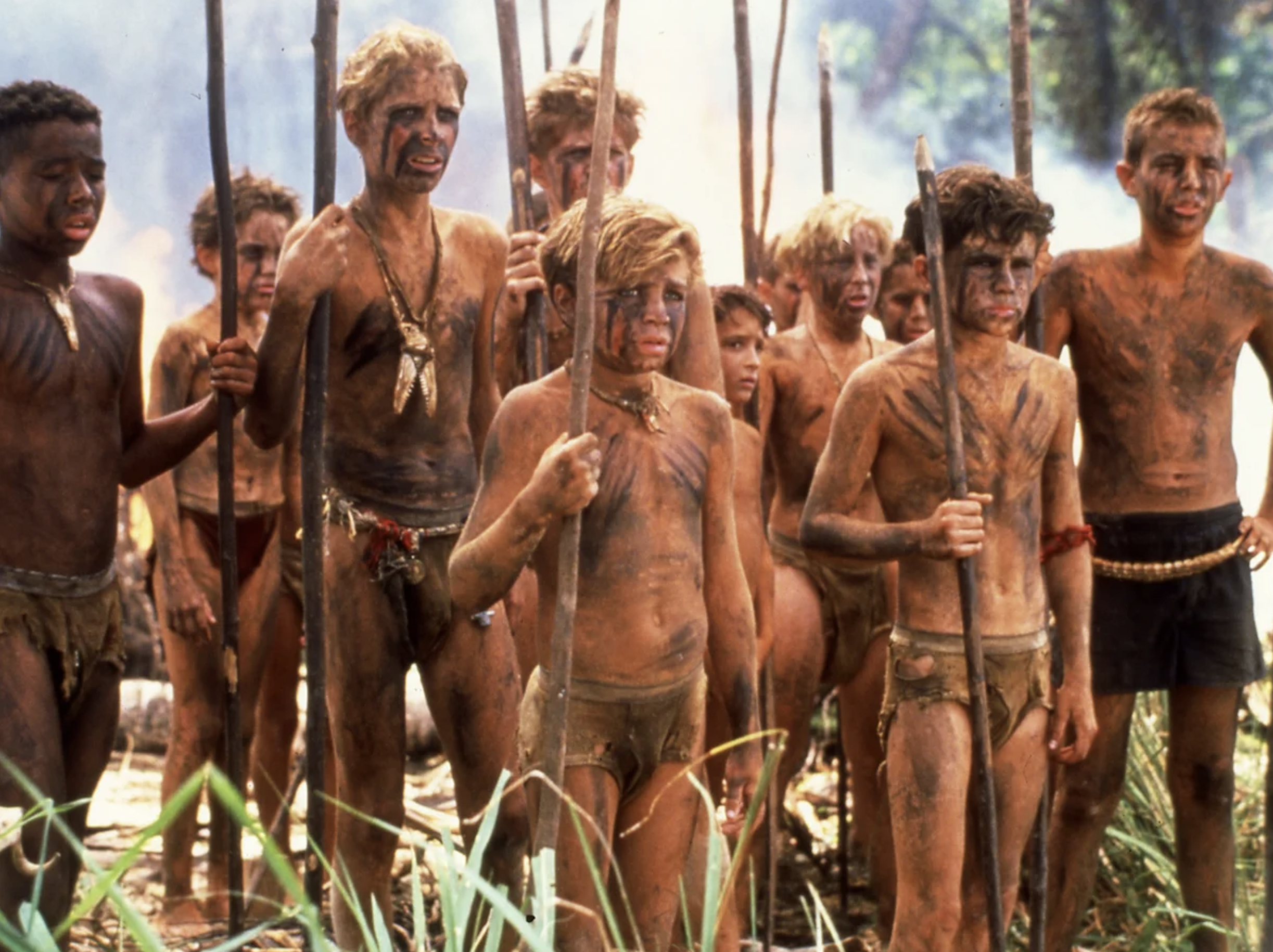
GOV 26.2 Lord of the Flies – Introduction
Lord of the Flies
Stranded on an island, a group of schoolboys degenerate into savagery.

Reflection – How and What do you prioritize when leading a people? What makes a good leader?
Continue reading Post ID 20594
-
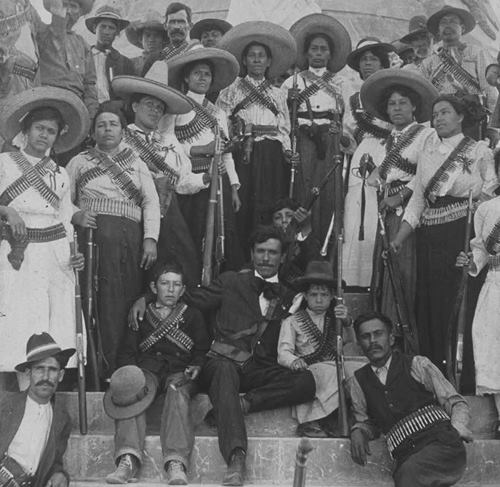
AP 24.881 Mexican Revolutionaries – Soldaderas
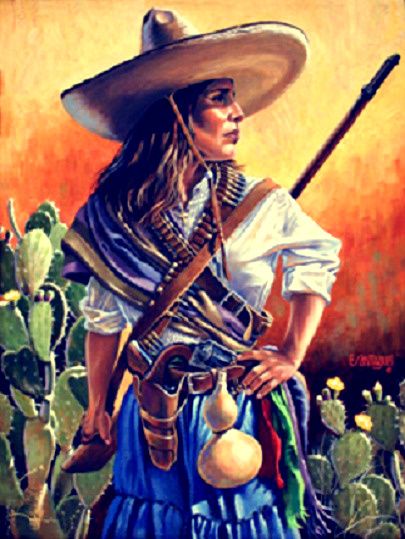
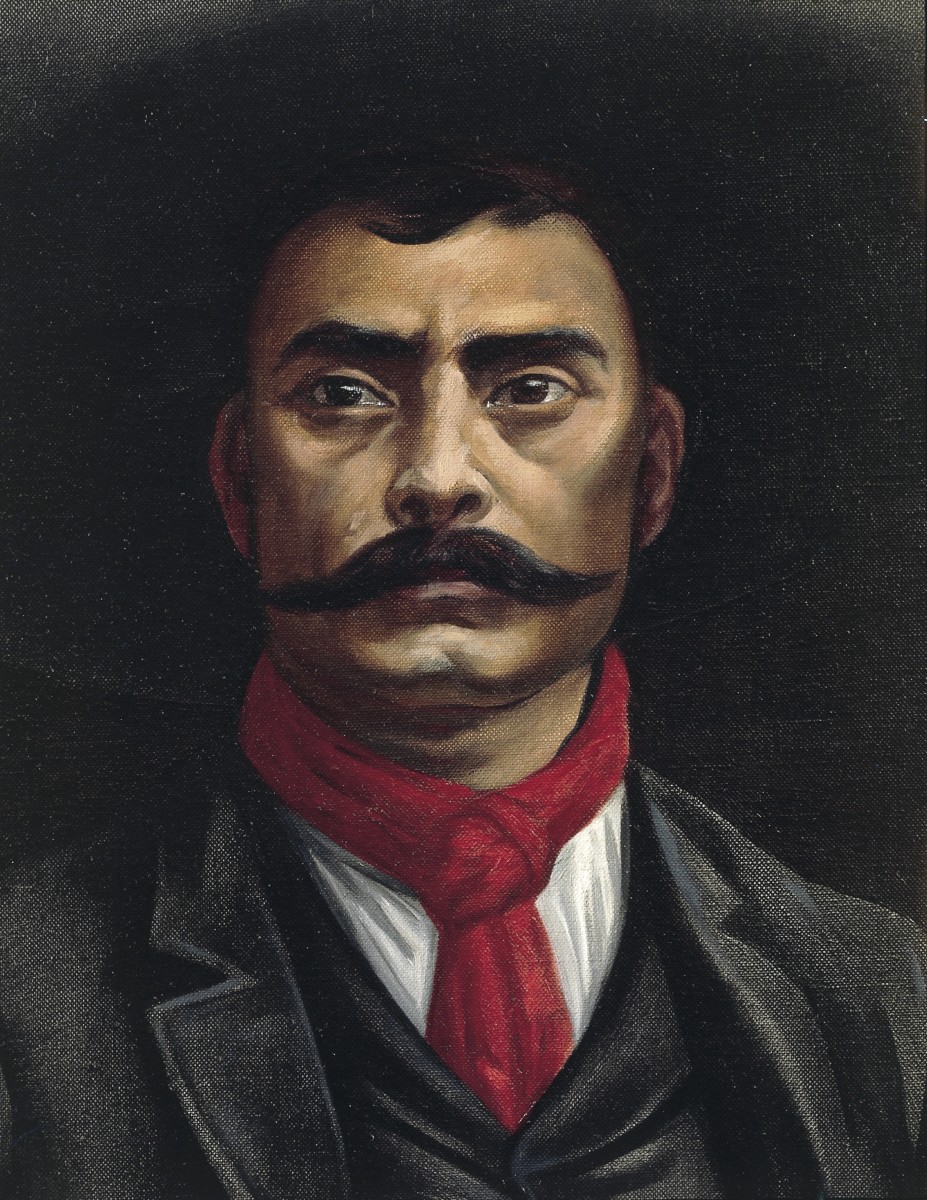
Zapata’s army was unique in that he allowed women to join the ranks and serve as combatants. Although other revolutionary armies had many women followers, in general they did not fight (although there were exceptions). Only in Zapata’s army were there large numbers of women combatants: some were even officers. Some modern Mexican feminists point to the historical importance of these “soldaderas” as a milestone in women’s rights.
Continue reading Post ID 20594
-
APS 19.11 Metallurgy – Man loves Heavy Metal! (bronze and iron)
metallurgy (noun)
– the branch of science and technology concerned with the properties of metals and their production and purification.
Continue reading Post ID 20594
-
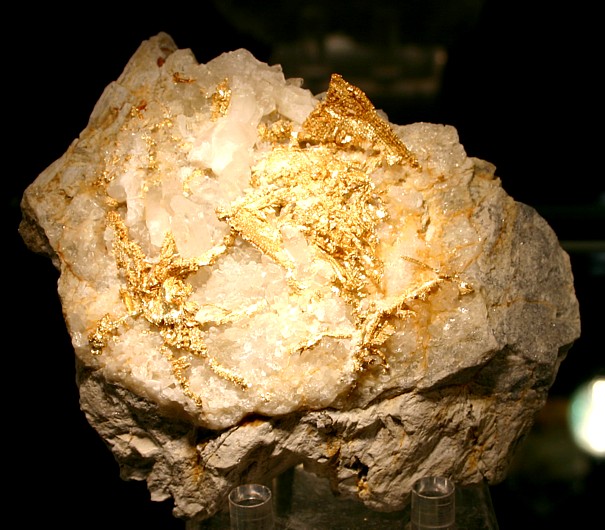
APS 19.10 Metallurgy – Man and Metal! (copper)
metallurgy (noun)
– the branch of science and technology concerned with the properties of metals and their production and purification.
Continue reading Post ID 20594









You must be logged in to post a comment.