
Continue reading Post ID 49271
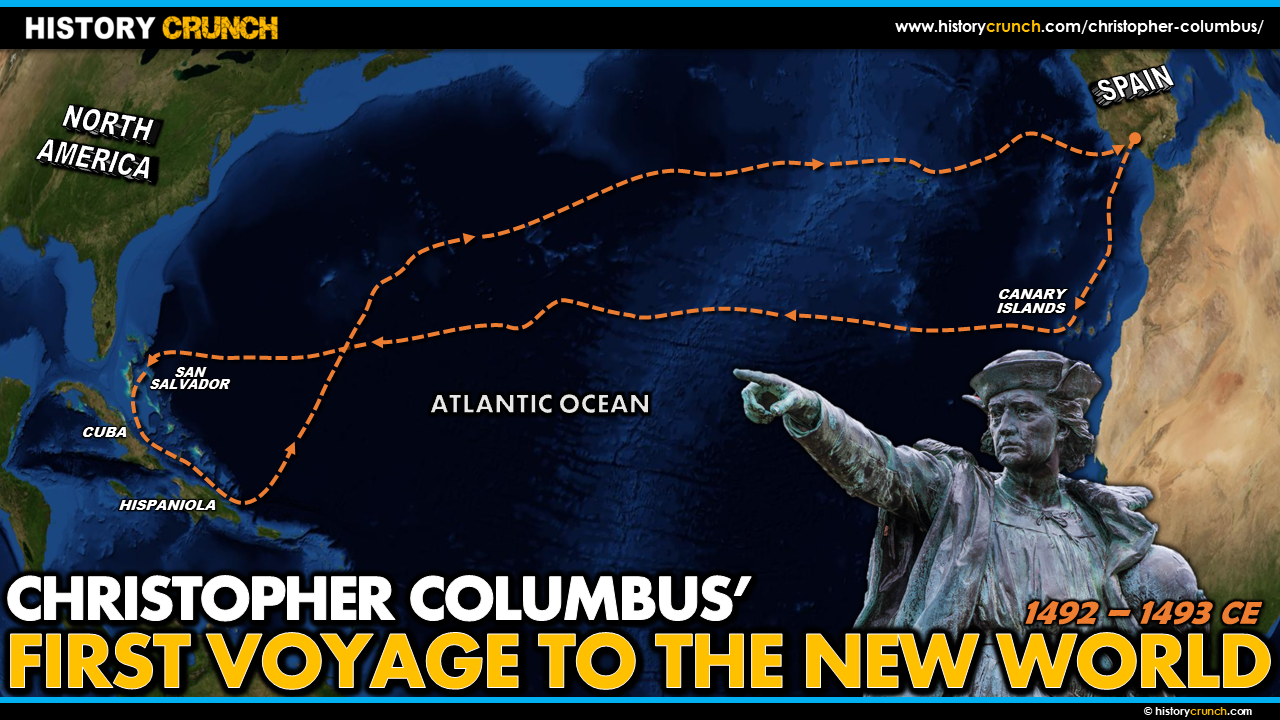
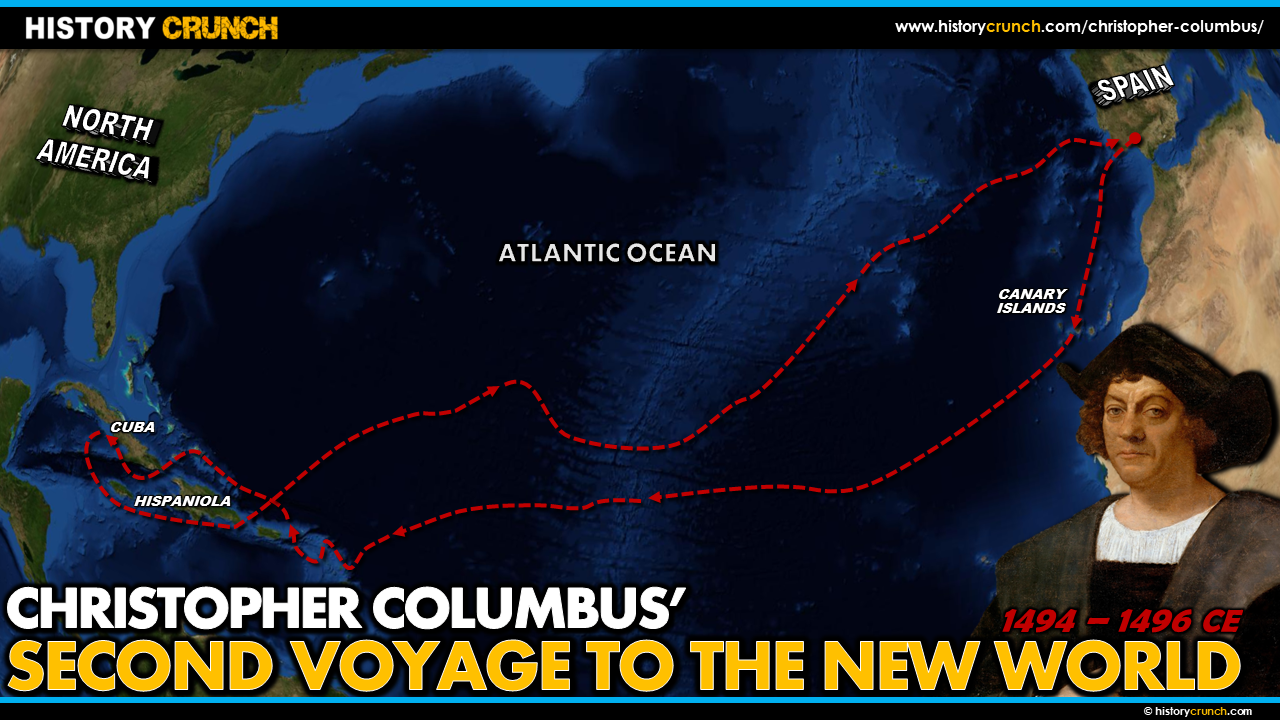
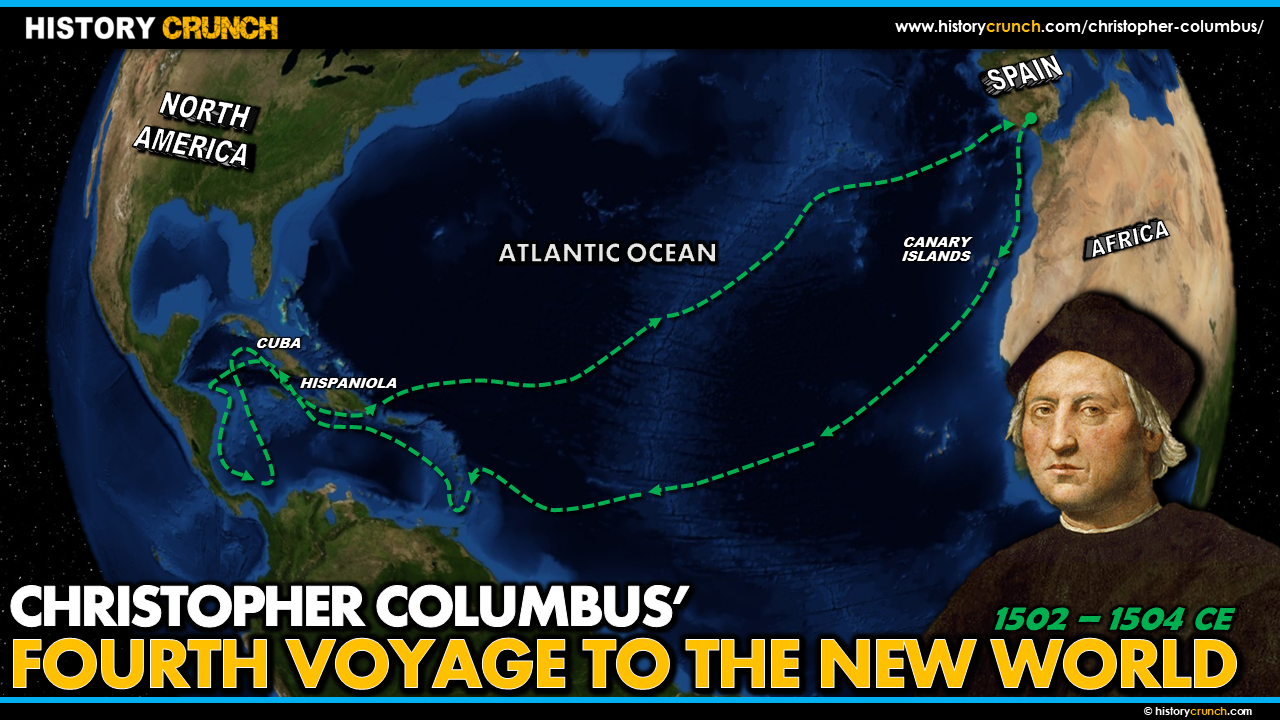
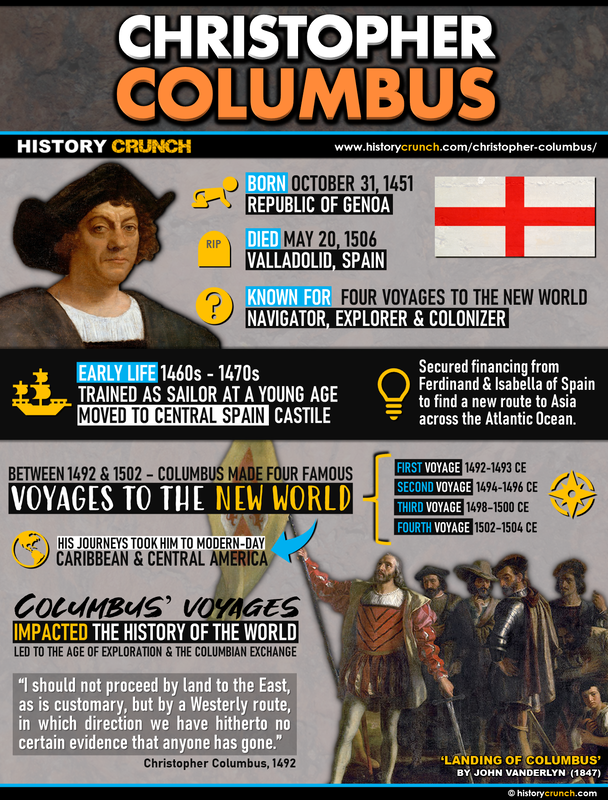
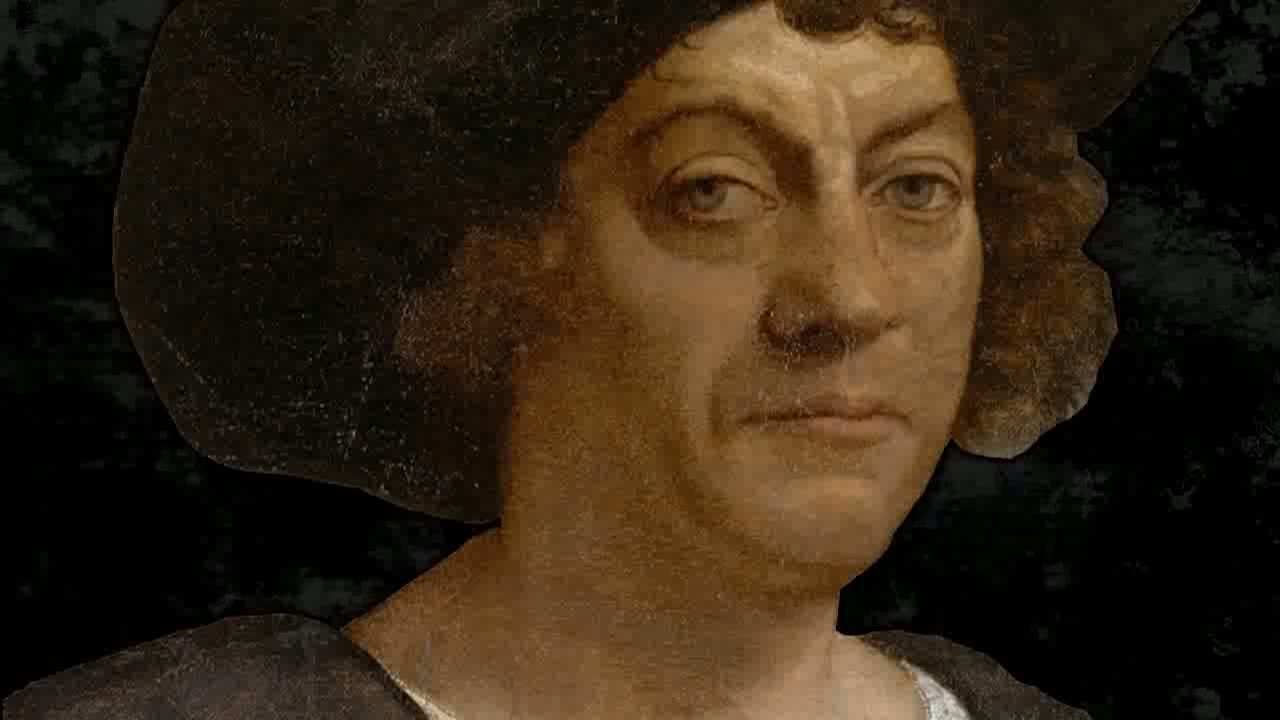 The purpose of this post is to provoke critical thought on Christopher Columbus and his lasting legacy that we still remember (and debate) today. Whether considered as an explorer, villain, or maniac, many cultures and peoples have strong sentiments on his particular voyages and their consequential effects.
Continue reading Post ID 49271

Continue reading Post ID 49271
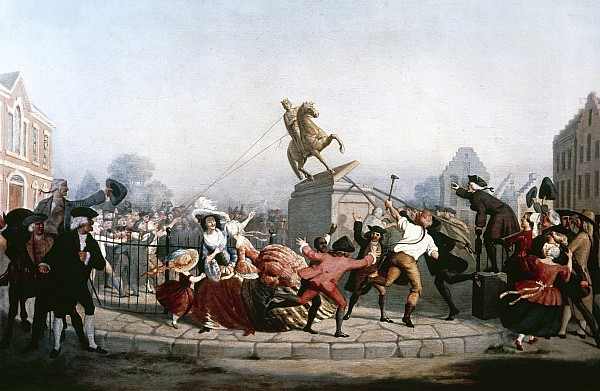
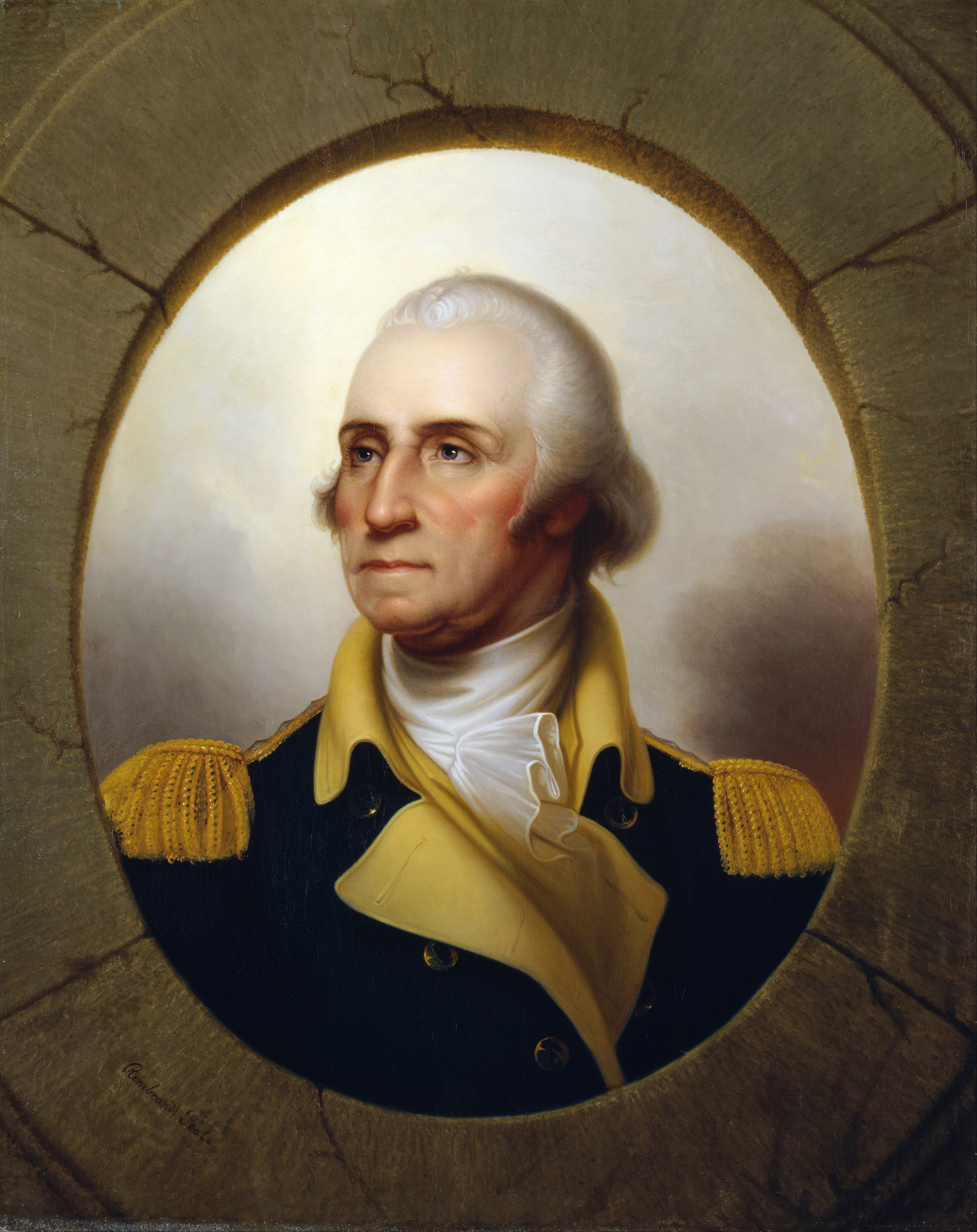
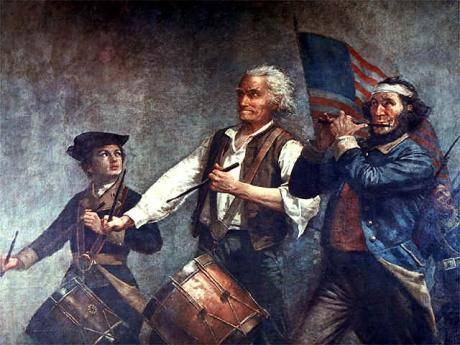
“My brave fellows, you have done all I asked you to do, and more than can be reasonably expected; but your country is at stake, your wives, your houses and all that you hold dear. You have worn yourselves out with fatigues and hardships, but we know not how to spare you. If you will consent to stay one month longer, you will render that service to the cause of liberty, and to your country, which you probably can never do under any other circumstances.”
“We have abundant reason to rejoice, that, in this land, the light of truth and reason has triumphed over the power of bigotry and superstition, and that every person may here worship God according to the dictates of his own heart.”

Continue reading Post ID 49271
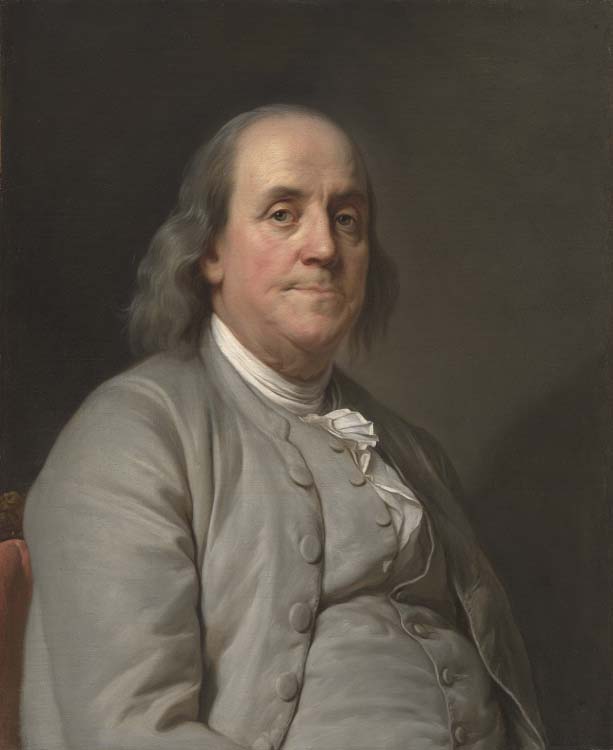
“Be always at war with your vices, at peace with your neighbors, and let each new year find you a better man.”
“It is easier to prevent bad habits than to break them.”
Continue reading Post ID 49271
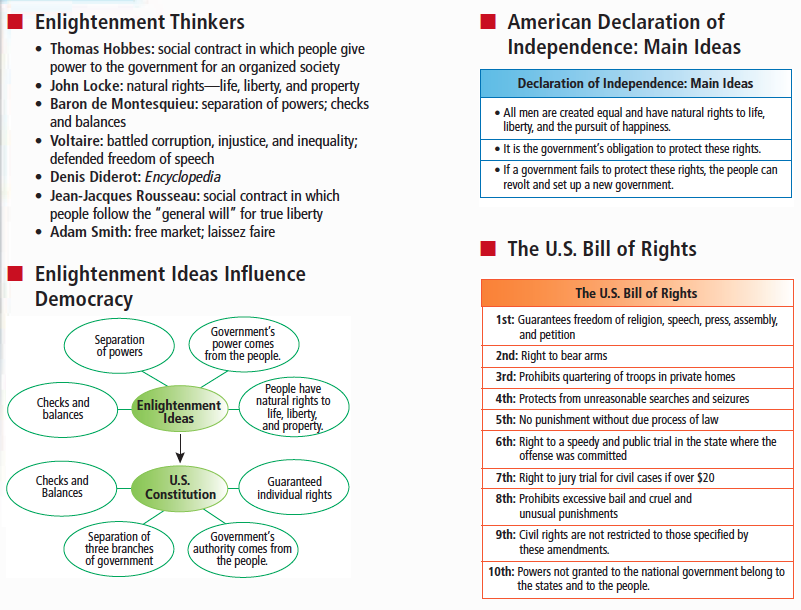
The Enlightenment, sometimes called the Age of Reason, sought to shine the “light” of reason on traditional ideas about government and society. Enlightenment thinkers promoted goals of material well-being, social justice, and worldly happiness. Their ideas about government and society stood in sharp contrast to the old principles of divine-right rule, a rigid social hierarchy, and the promise of a better life in heaven. Since the 1700s, Enlightenment ideas have spread, creating upheaval as they challenge established traditions around the world.
Olympe de Gouges (born Marie Gouze; 7 May 1748 – 3 November 1793) was a French playwright and political activist. She is best known for her Declaration of the Rights of Woman and of the Female Citizen and other writings on women’s rights and abolitionism.
Continue reading Post ID 49271
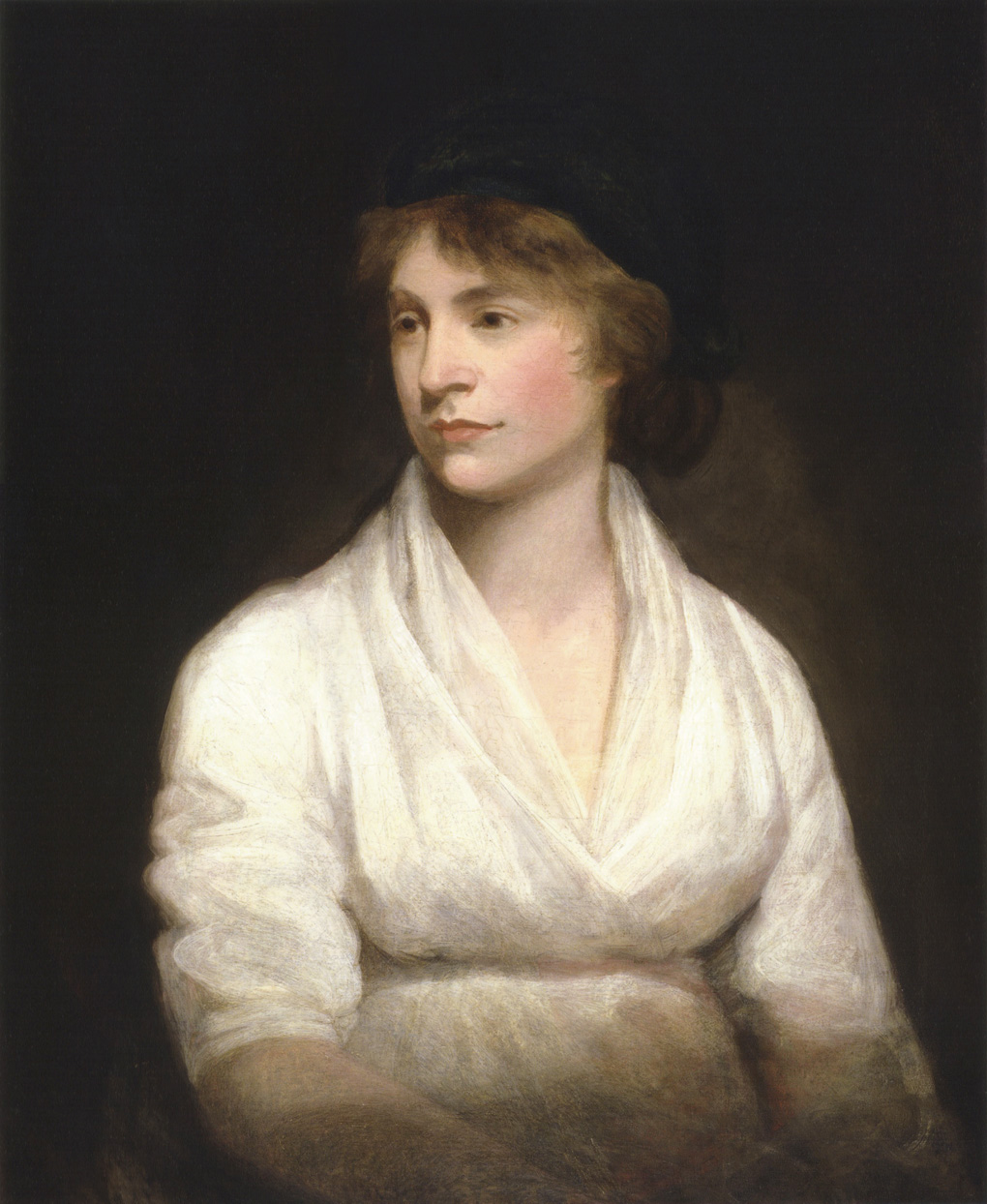
Mary Wollstonecraft was an English writer and philosopher who became a pioneer in the fight for women’s rights. Her 1792 work, A Vindication of the Rights of Woman, challenged societal norms by arguing for women’s education, empowerment, and independence.
Illustrative Examples (p 99) – Demands
Continue reading Post ID 49271
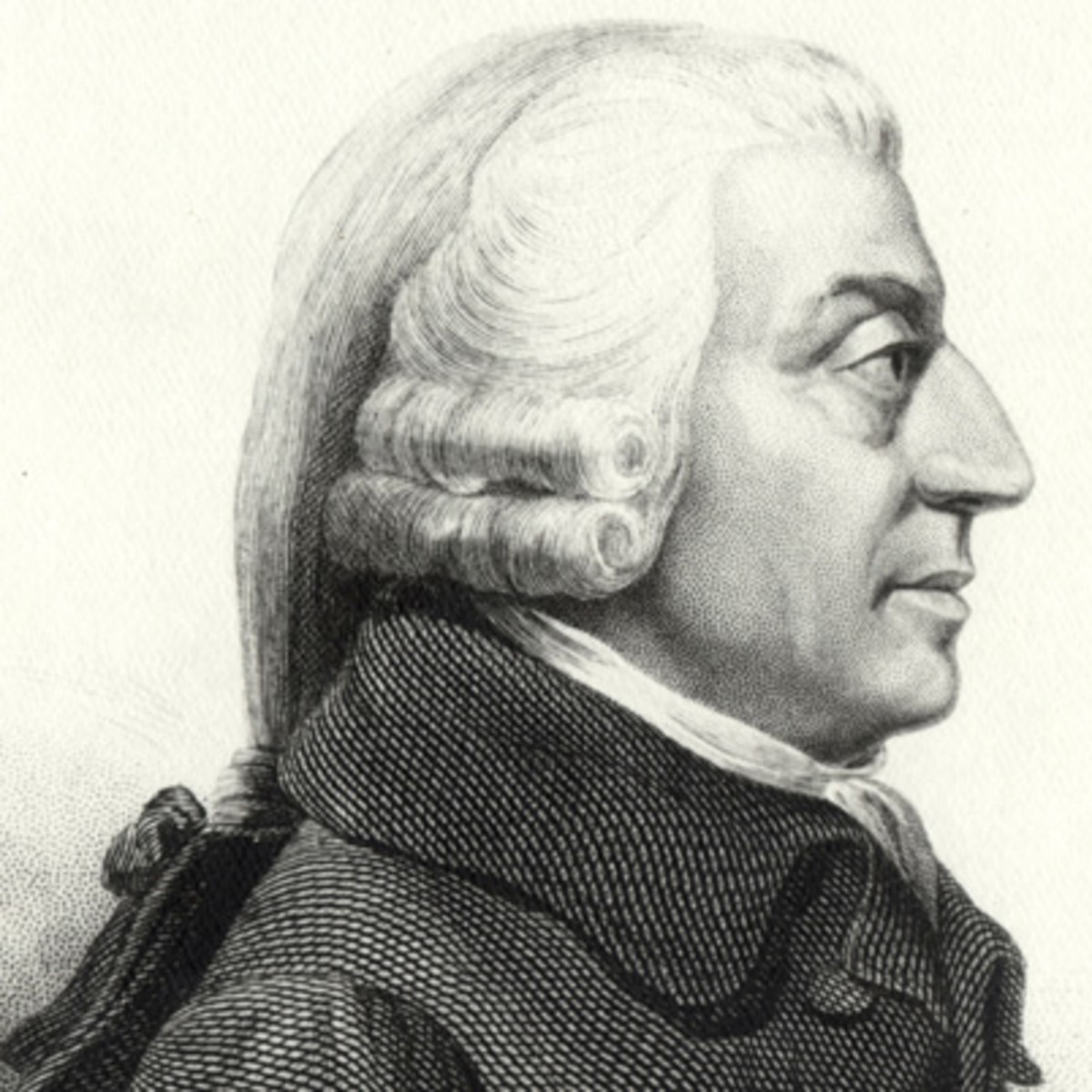
Adam Smith (1723 – 1790) was a Scottish economist, philosopher and author as well as a moral philosopher, a pioneer of political economy and a key figure during the Scottish Enlightenment, also known as ”The Father of Economics” or ”The Father of Capitalism”.
Continue reading Post ID 49271
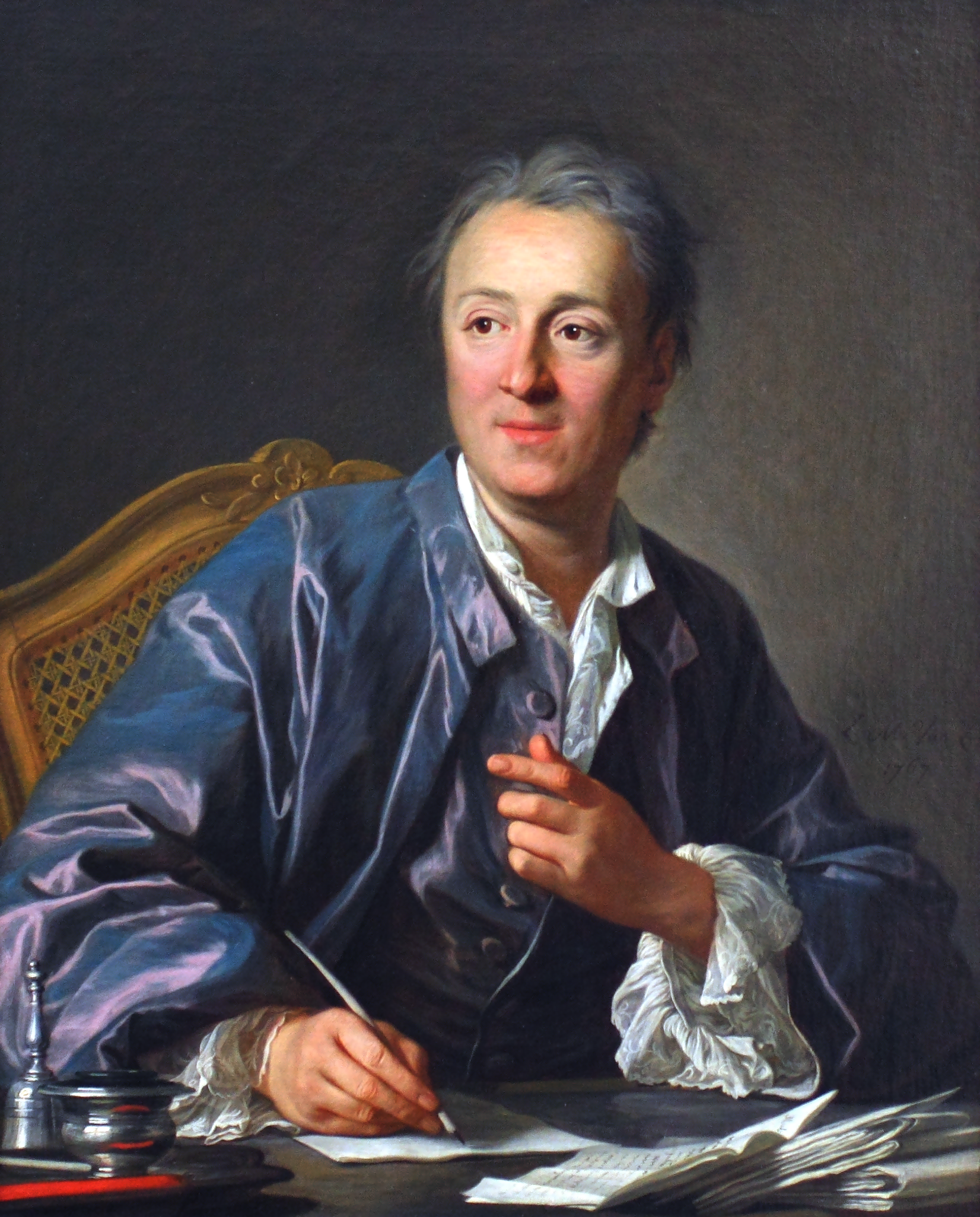
Denis Diderot (1713 -1784) French man of letters and philosopher who, from 1745 to 1772, served as chief editor of the Encyclopédie, one of the principal works of the Age of Enlightenment.
Continue reading Post ID 49271
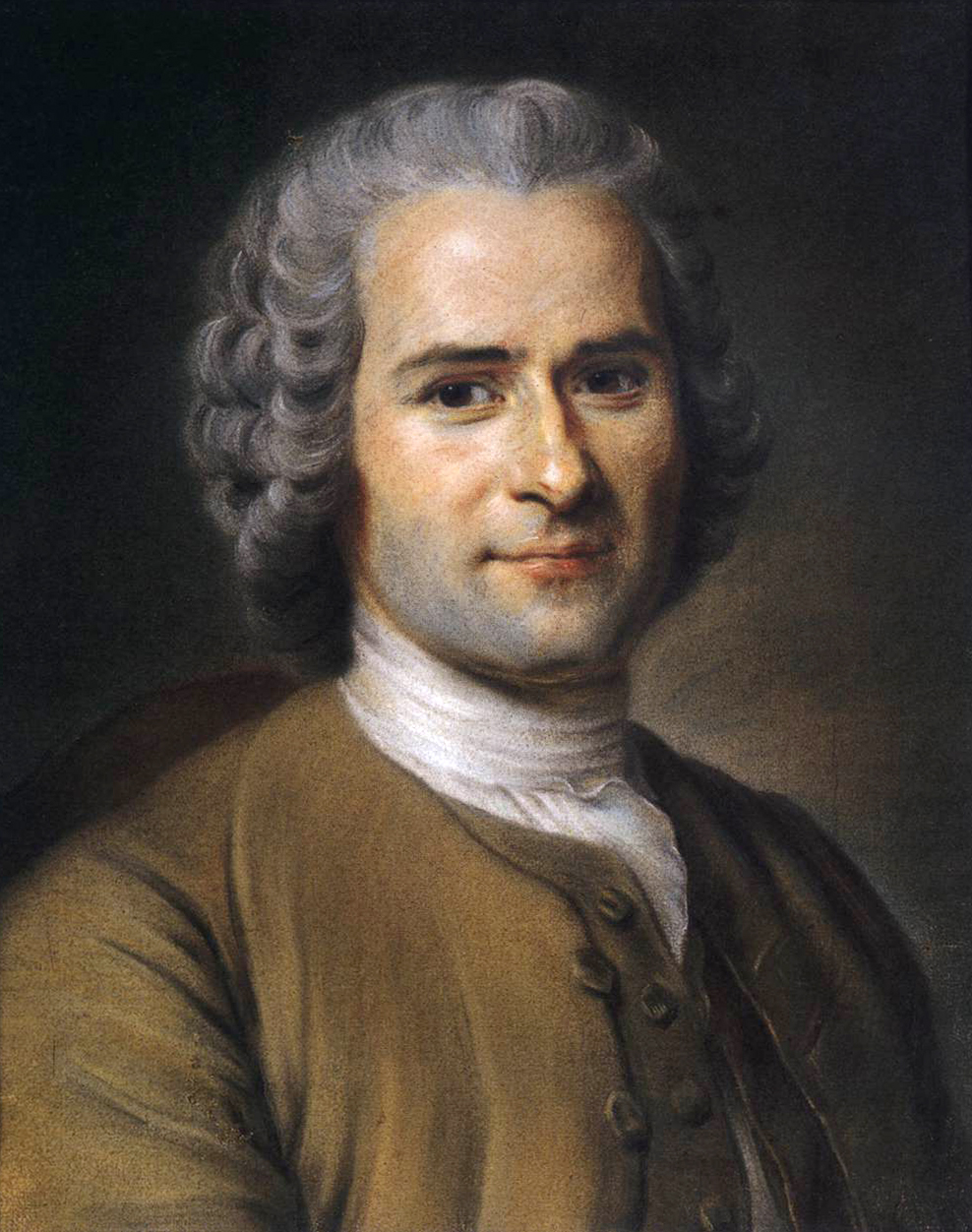
Jean-Jacques Rousseau was a Genevan philosopher, writer and composer. (1712–1778)
Continue reading Post ID 49271
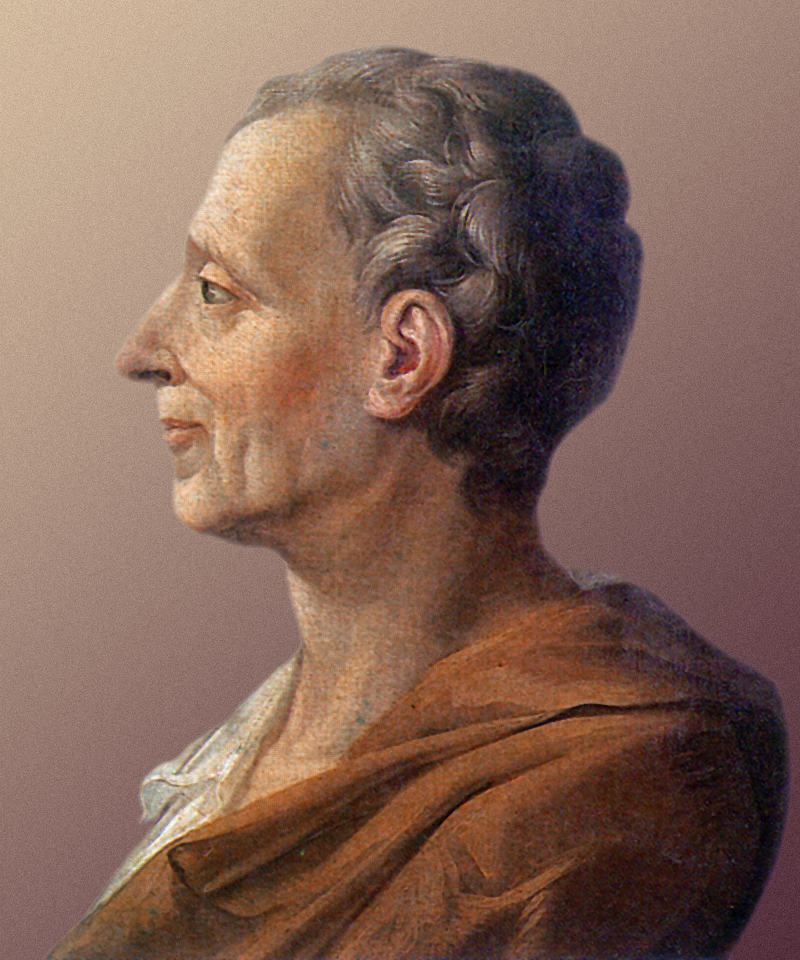
Philosopher, Government Official, Legal Professional, Writer (1689–1755)
 Continue reading Post ID 49271
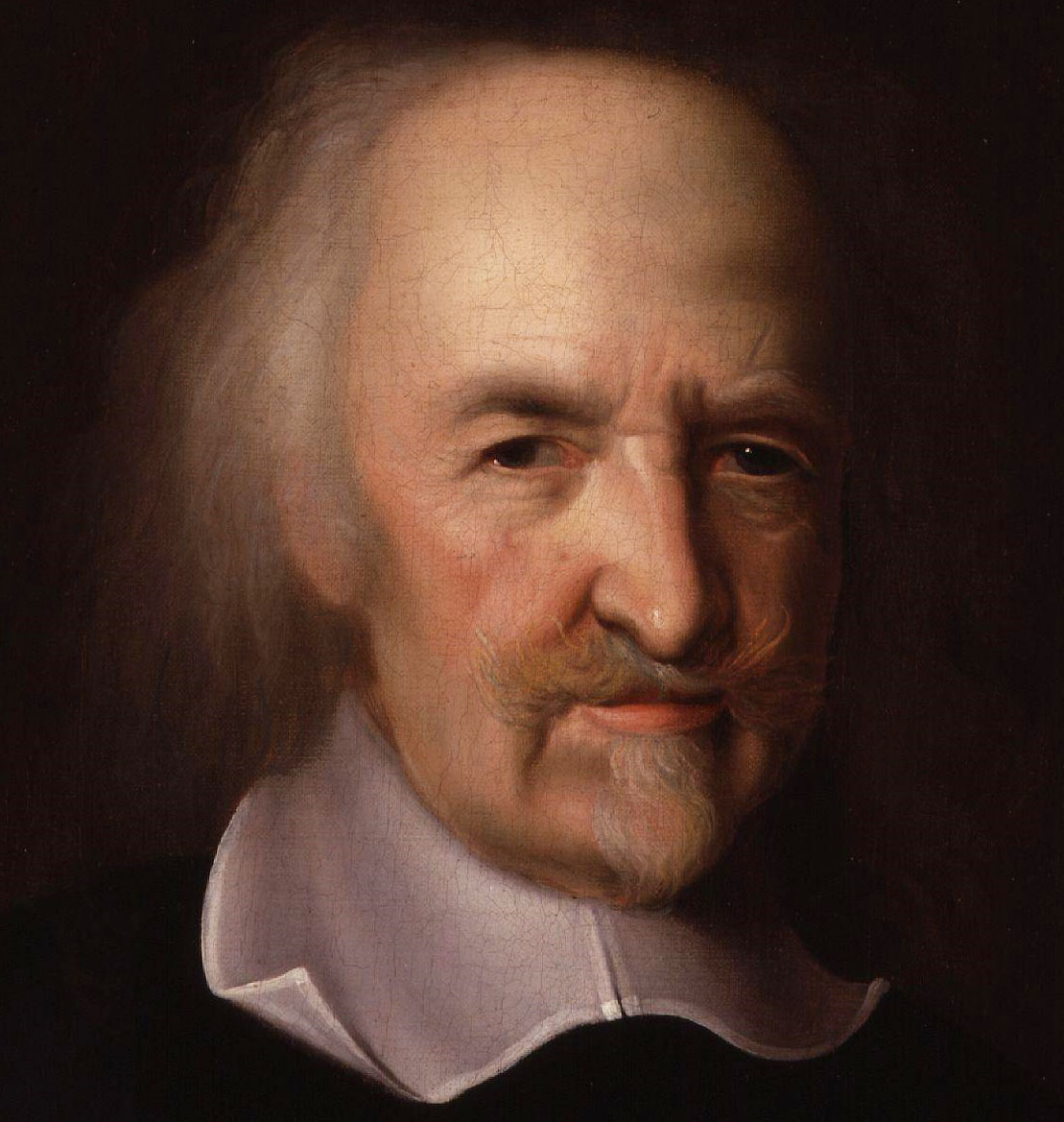
Academic, Philosopher, Political Scientist, Journalist, Historian (1588–1679)
 Continue reading Post ID 49271
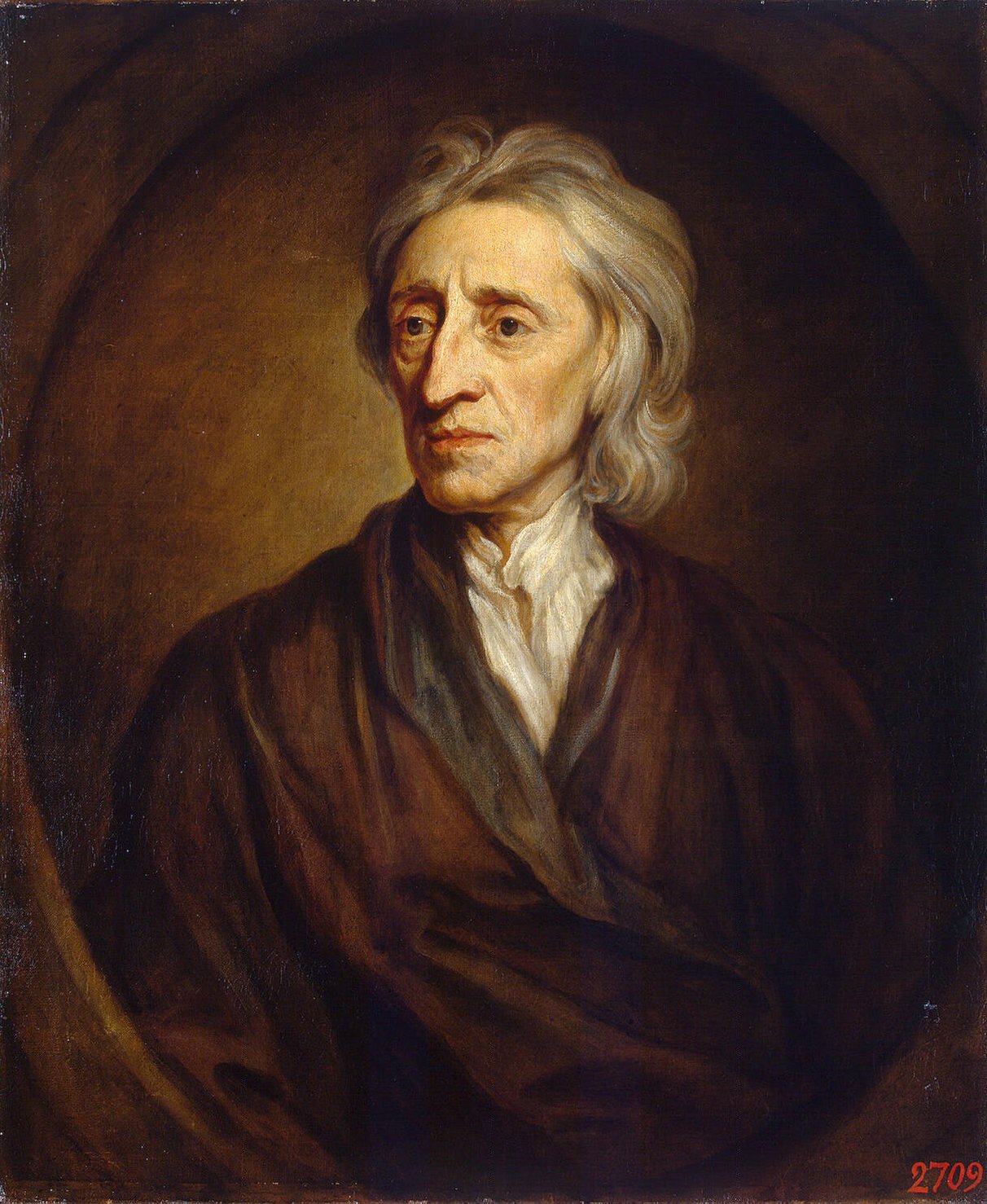
John Locke was an English philosopher and physician, widely regarded as one of the most influential of the Enlightenment thinkers and commonly known as the “father of liberalism”. (1632–1704)
 Continue reading Post ID 49271
Johann Sebastian Bach (1685 – 1750) was a German composer and musician of the Baroque period.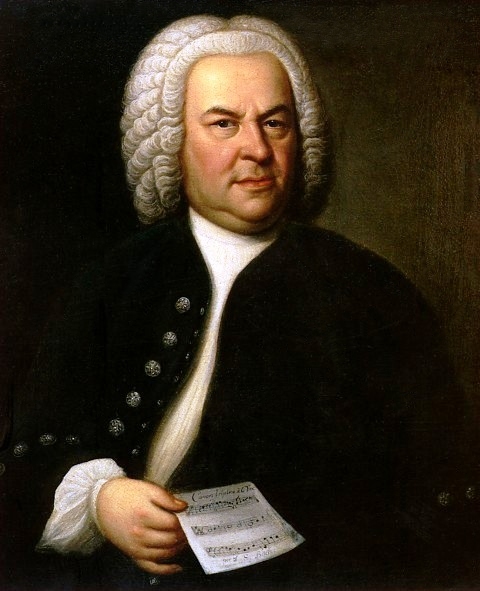
Continue reading Post ID 49271
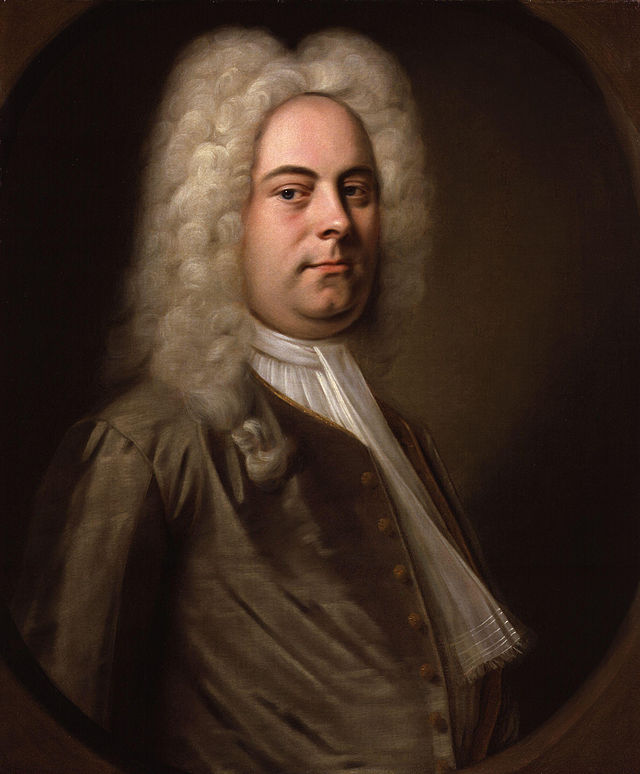
Baroque composer George Handel was born February 23, 1685, in Halle, Germany. In 1704 Handel made his debut as an opera composer with Almira. He produced several operas with the Royal Academy of Music before forming the New Royal Academy of Music in 1727. When Italian operas fell out of fashion, he started composing oratorios, including Messiah. George Handel died April 14, 1759, in London, England
Continue reading Post ID 49271
Composer, Pianist (1756–1791)
A prolific artist, Austrian composer Wolfgang Mozart created a string of operas, concertos, symphonies and sonatas that profoundly shaped classical music.
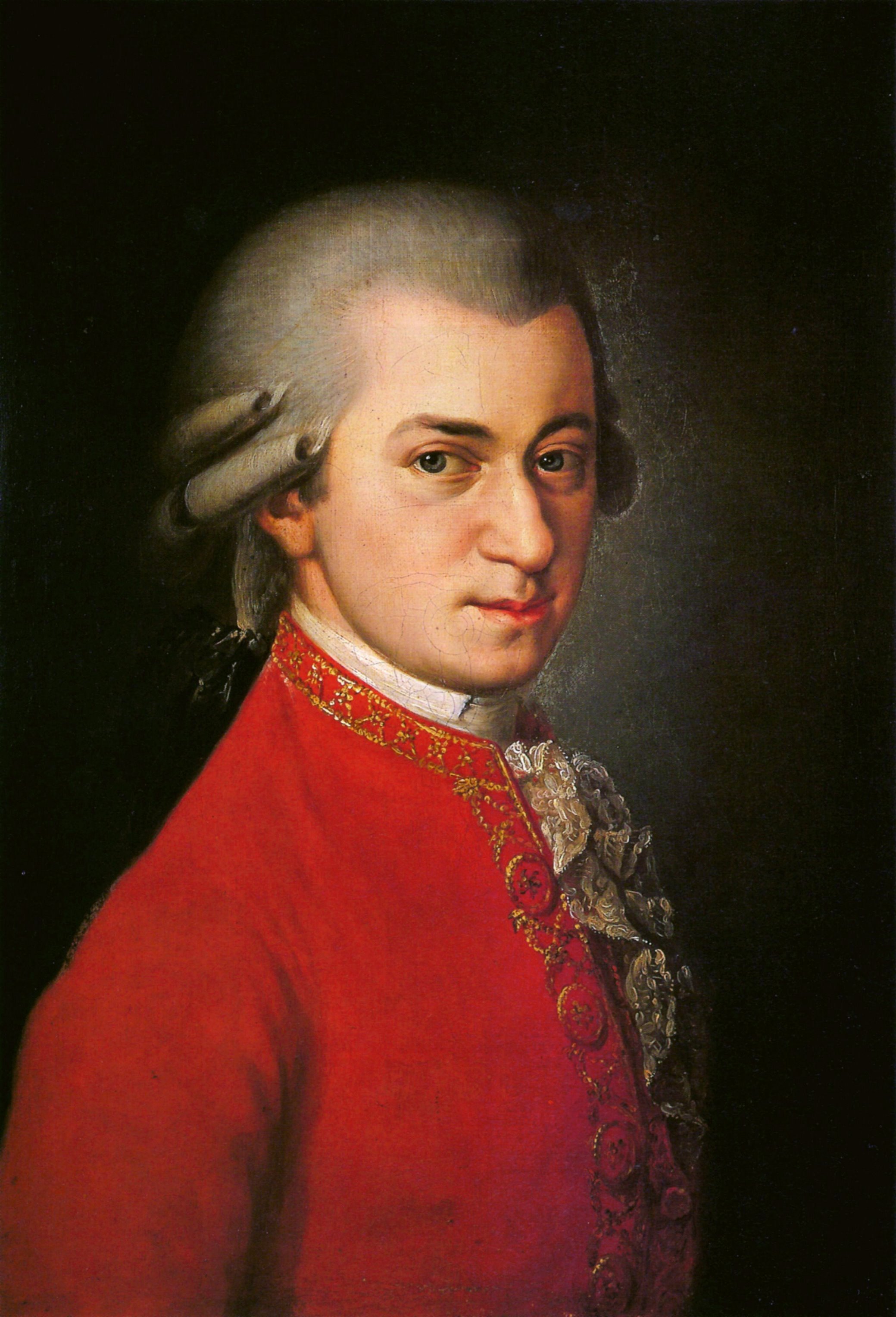
Wolfgang Amadeus Mozart learned the piano at the age of three, and soon developed his skills in all musical forms. Widely recognized as one of the greatest composers of all time, he produced over 600 works.
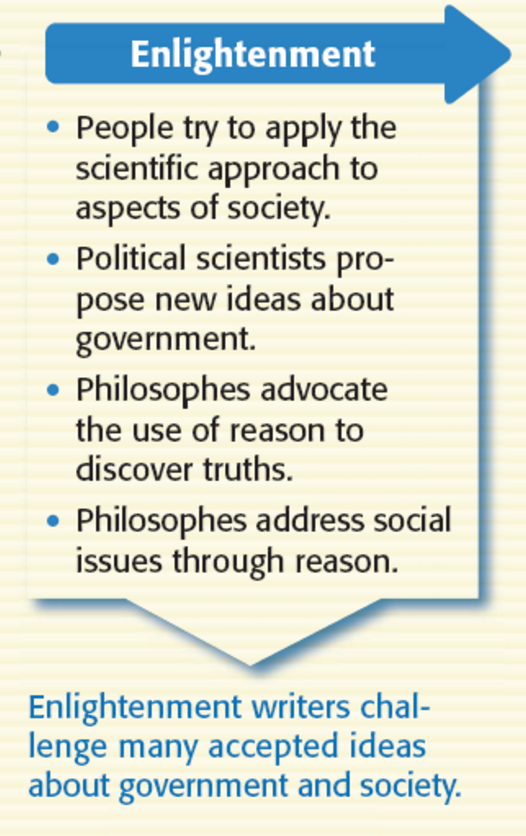 The Age of Enlightenment (1700-1800) Continue reading Post ID 49271
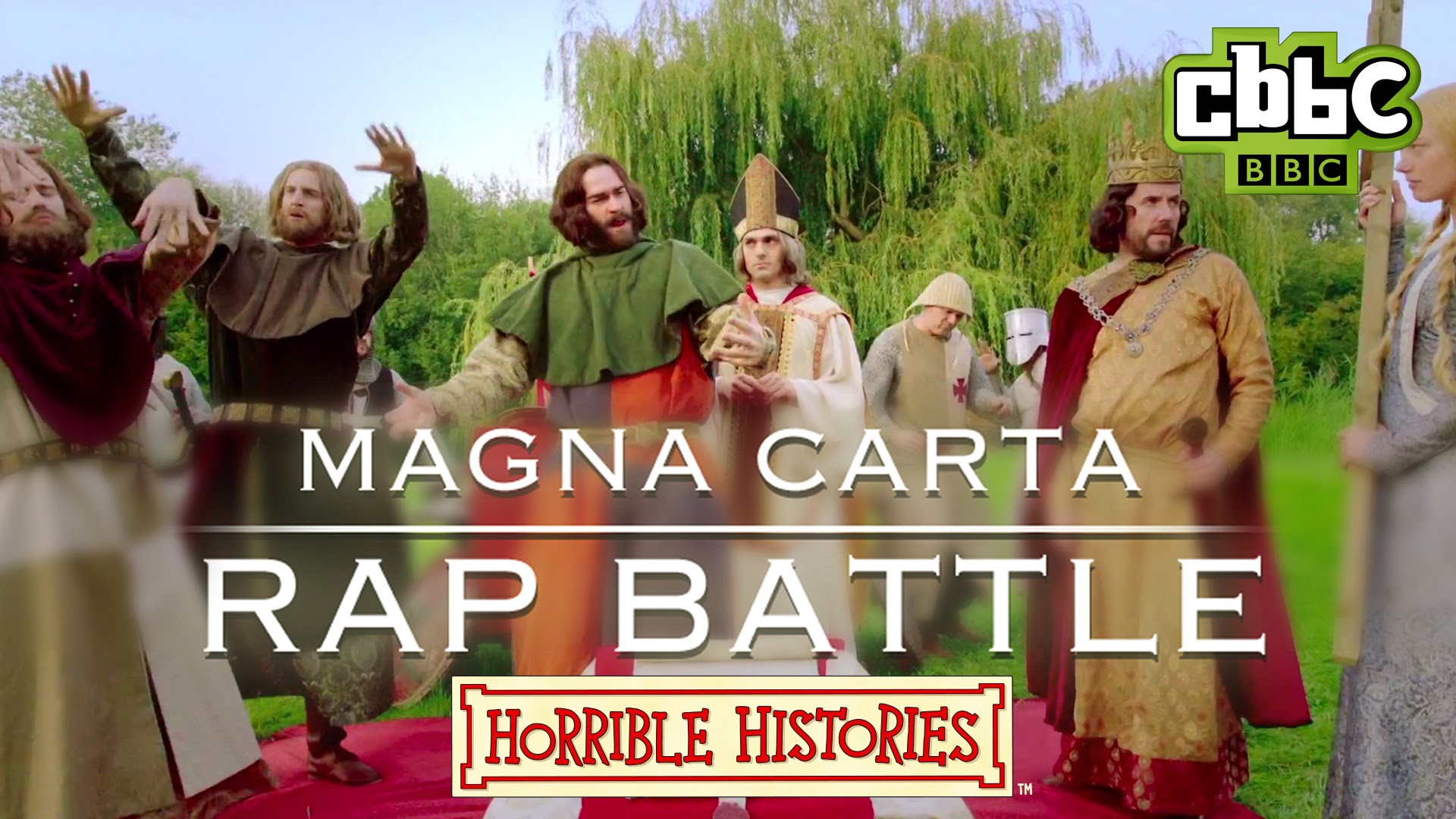
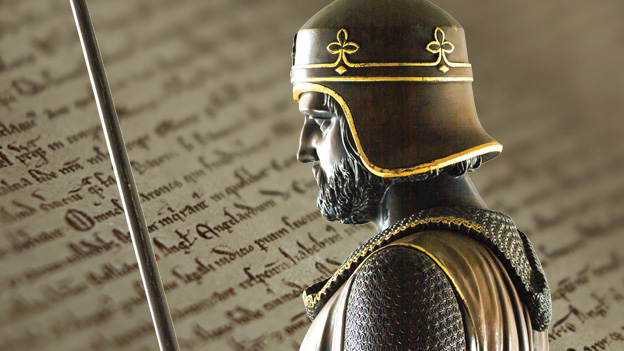 Following a revolt by the English nobility against his rule in 1215, King John is forced to put his royal seal on the Magna Carta, or “Great Charter.” The document, essentially a peace treaty between John and his barons, guaranteed that the king would respect feudal rights and privileges, uphold the freedom of the church, and maintain the nation’s laws.
The Magna Carta was seen as a cornerstone in the development of democratic England by later generations.
Continue reading Post ID 49271
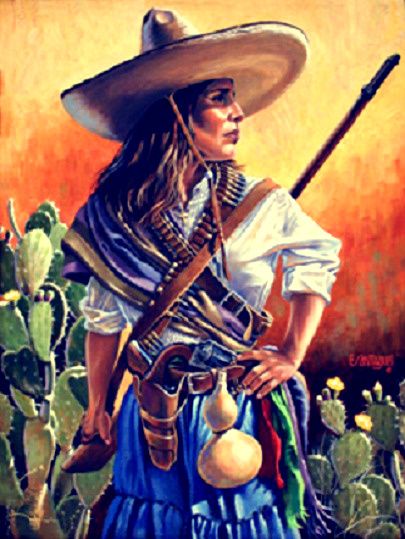
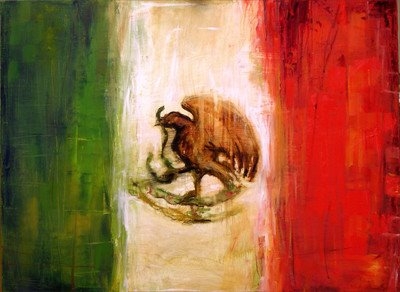
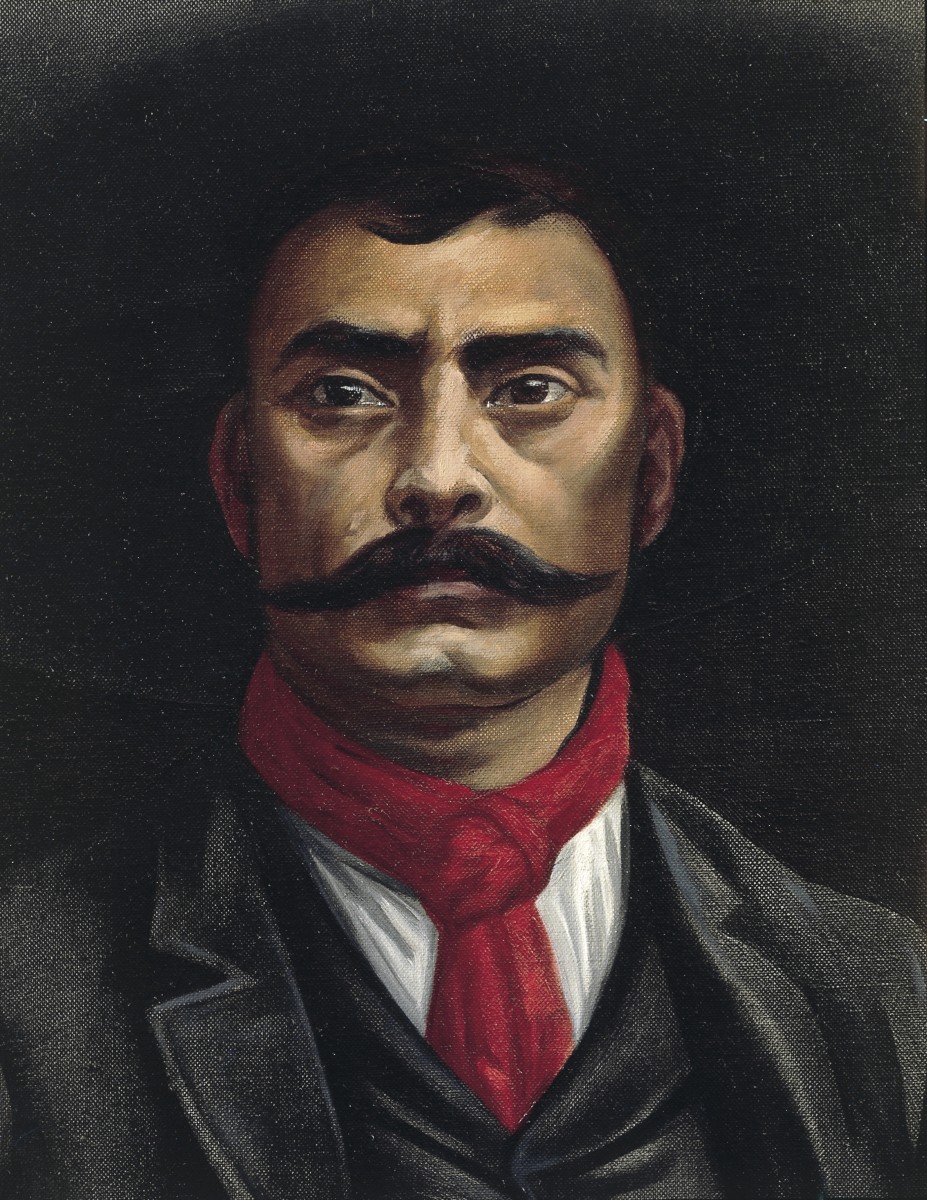
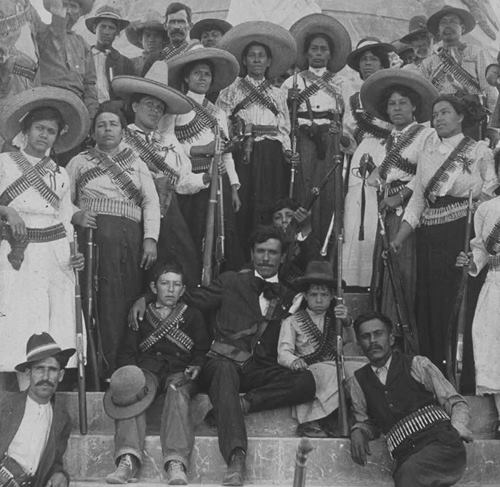
Zapata’s army was unique in that he allowed women to join the ranks and serve as combatants. Although other revolutionary armies had many women followers, in general they did not fight (although there were exceptions). Only in Zapata’s army were there large numbers of women combatants: some were even officers. Some modern Mexican feminists point to the historical importance of these “soldaderas” as a milestone in women’s rights.






You must be logged in to post a comment.