Continue reading Post ID 61315
-
-
GOV 26.63 The Constitution – Legislative Branch (Article 1)
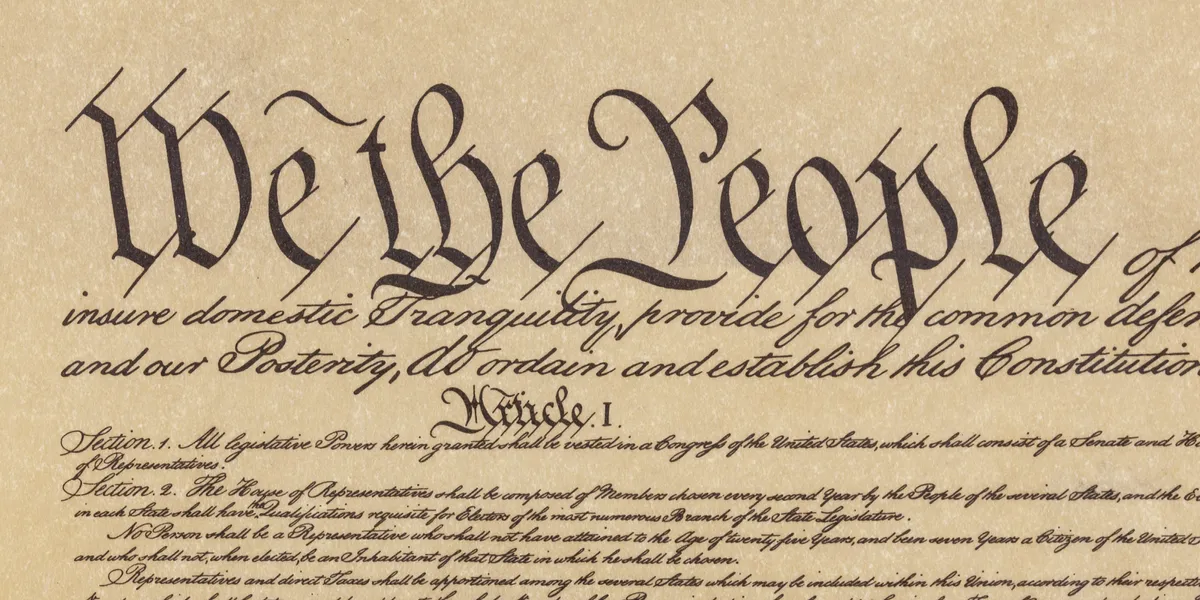
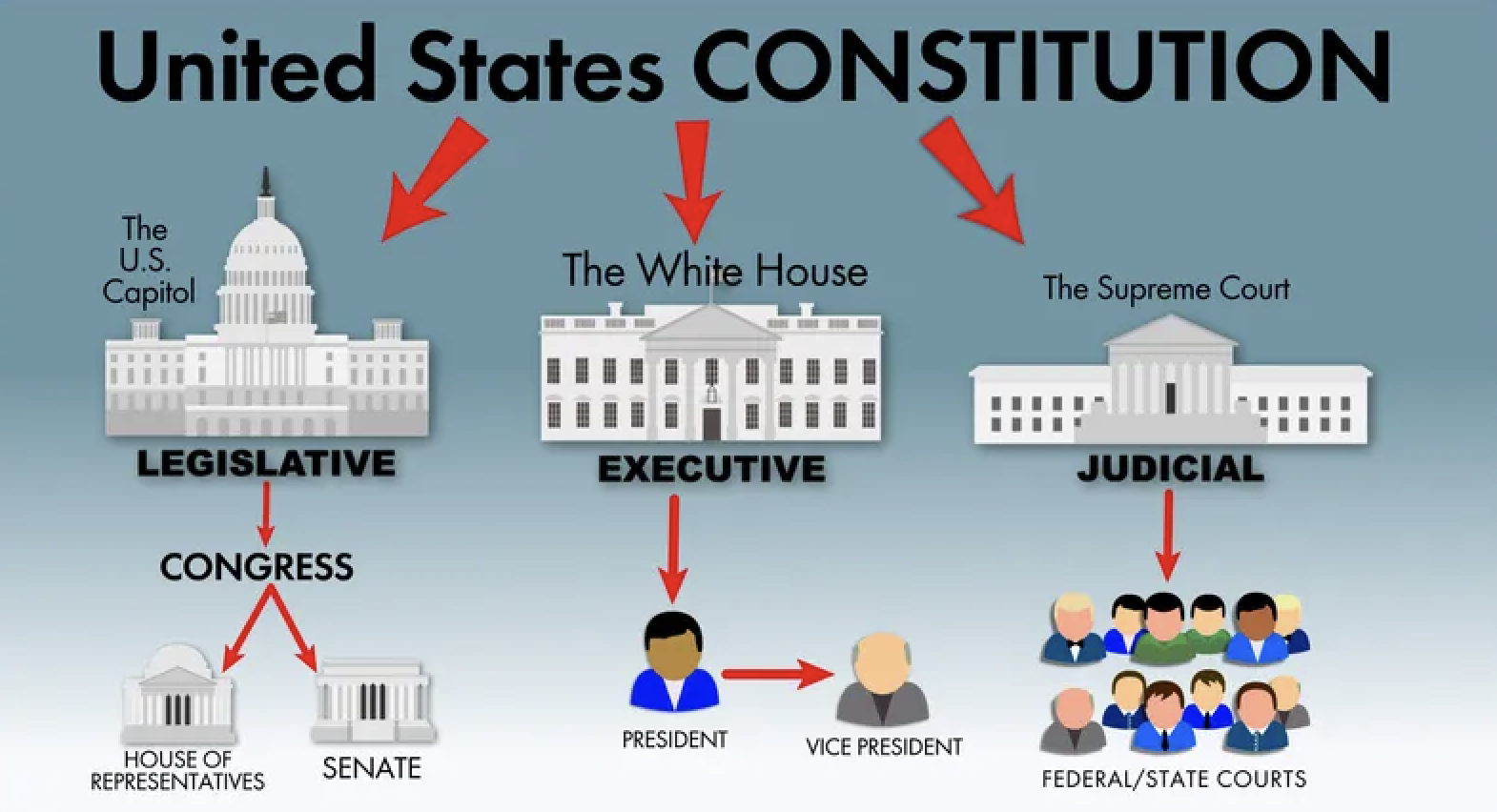
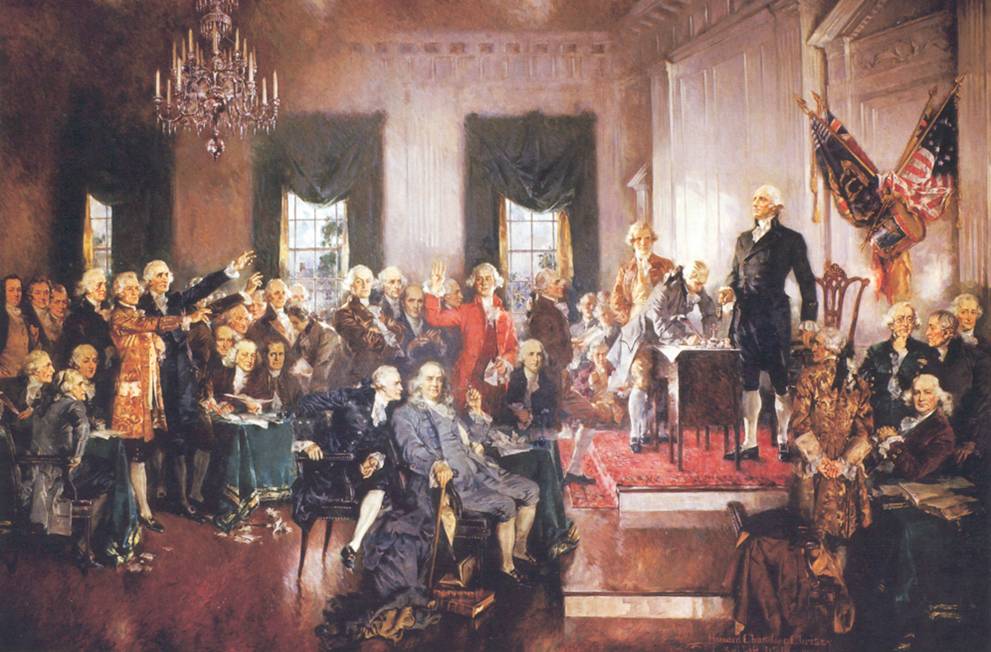
The Constitution written in 1787 lays the ground work for how our government works. Established by Article I of the Constitution, the Legislative Branch consists of the House of Representatives and the Senate.

Continue reading Post ID 61315
-
GOV 26.60 Political Satire
CAVEAT LECTOR:
Although humor is the mechanism of satire, you may find yourself agreeing or disagreeing with some themes concerning this post? Where do you stand on your political beliefs?
Political satire is a type of satire that specializes in gaining entertainment from politics. Political satire can also act as a tool for advancing political arguments in conditions where political speech and dissent are banned.
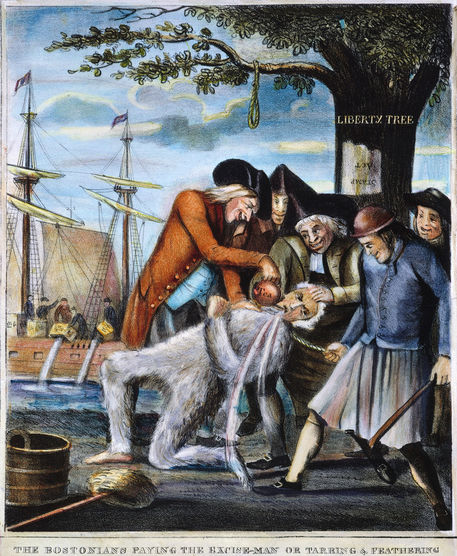
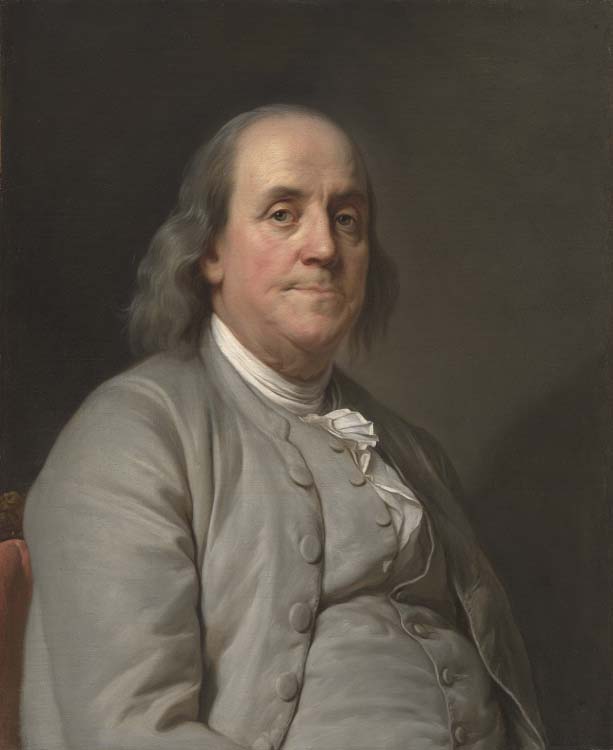
Political satire has played a role in American Politics since the 1700s. Under King George’s rule, the colonies used political cartoons to criticize the parliament and fight for independence. Founding father Benjamin Franklin was a notable political satirist. He employed satire in several essays, including Rules by Which a Great Empire May Be Reduced to a Small One and A Witch Trial at Mount Holly.
Cartoons continued to provide commentary on American politics. In the late 1800s, editorial cartoonist Thomas Nast employed political satire to tackle issues like corruption. Amongst other notable political satirists is well-known author Mark Twain, who used satire to criticize and comment on slavery.
See how political satire still exists in today’s political environment. Are you able to recognize the intent and purpose of the following videos?
Continue reading Post ID 61315
-
GOV 26.56 Politics 1
CLICK HEREThe Online Guide to American Politics, Elections, Candidates & Campaigns
Launched online in 1997, Politics1 is published as a non-partisan public service to promote fully informed decision-making by the American electorate. One of the pioneering political blog and news sites, Politics1 has drawn a sizable and devoted audience of political professionals, journalists, educators, and activists.
-
GOV 26.55 – Conservative vs Liberal
As we continue discussing different and opposing political and economic spectrums, let’s take a look at where you stand on your personal beliefs.
We all want the same things in life. We want freedom; we want the chance for prosperity; we want as few people suffering as possible; we want healthy children; we want to have crime-free streets. The argument is how to achieve them…
CAVEAT LECTOR: You may find yourself agreeing or disagreeing with some topics concerning this assignment. . . where do you stand on this political spectrum?
Continue reading Post ID 61315
-
GOV 26.54 Bill of Rights – 10th Amendment
a·mend·ment (noun)
a minor change or addition designed to improve a text, piece of legislation, etc.<Similar: revision, alteration, change, modification, adjustment, edit, update
made to the U.S. ConstitutionThe powers not delegated to the United States by the Constitution, nor prohibited by it to the States, are reserved to the States respectively, or to the people.
Continue reading Post ID 61315
-
GOV 26.53 Bill of Rights – 9th Amendment
a·mend·ment (noun)
a minor change or addition designed to improve a text, piece of legislation, etc.<Similar: revision, alteration, change, modification, adjustment, edit, update
made to the U.S. ConstitutionThe enumeration in the Constitution, of certain rights, shall not be construed to deny or disparage others retained by the people.
Continue reading Post ID 61315
-
GOV 26.52 Bill of Rights – 8th Amendment
a·mend·ment (noun)
a minor change or addition designed to improve a text, piece of legislation, etc.<Similar: revision, alteration, change, modification, adjustment, edit, update
made to the U.S. ConstitutionExcessive bail shall not be required, nor excessive fines imposed, nor cruel and unusual punishments inflicted.
Continue reading Post ID 61315
-
GOV 26.51 Bill of Rights – 7th Amendment
a·mend·ment (noun)
a minor change or addition designed to improve a text, piece of legislation, etc.<Similar: revision, alteration, change, modification, adjustment, edit, update
made to the U.S. ConstitutionIn Suits at common law, where the value in controversy shall exceed twenty dollars, the right of trial by jury shall be preserved, and no fact tried by a jury, shall be otherwise re-examined in any Court of the United States, than according to the rules of the common law.
Continue reading Post ID 61315
-
GOV 26.50 Bill of Rights – 6th Amendment
a·mend·ment (noun)
a minor change or addition designed to improve a text, piece of legislation, etc.<Similar: revision, alteration, change, modification, adjustment, edit, update
made to the U.S. ConstitutionIn all criminal prosecutions, the accused shall enjoy the right to a speedy and public trial, by an impartial jury of the State and district wherein the crime shall have been committed, which district shall have been previously ascertained by law, and to be informed of the nature and cause of the accusation; to be confronted with the witnesses against him; to have compulsory process for obtaining witnesses in his favor, and to have the Assistance of Counsel for his defence.
Continue reading Post ID 61315
-
GOV 26.49 Bill of Rights – 5th Amendment
a·mend·ment (noun)
a minor change or addition designed to improve a text, piece of legislation, etc.<Similar: revision, alteration, change, modification, adjustment, edit, update
made to the U.S. ConstitutionNo person shall be held to answer for a capital, or otherwise infamous crime, unless on a presentment or indictment of a Grand Jury, except in cases arising in the land or naval forces, or in the Militia, when in actual service in time of War or public danger; nor shall any person be subject for the same offence to be twice put in jeopardy of life or limb; nor shall be compelled in any criminal case to be a witness against himself, nor be deprived of life, liberty, or property, without due process of law; nor shall private property be taken for public use, without just compensation.
Continue reading Post ID 61315
-
GOV 26.48 Bill of Rights – 4th Amendment
a·mend·ment (noun)
a minor change or addition designed to improve a text, piece of legislation, etc.<Similar: revision, alteration, change, modification, adjustment, edit, update
made to the U.S. ConstitutionThe right of the people to be secure in their persons, houses, papers, and effects, against unreasonable searches and seizures, shall not be violated, and no Warrants shall issue, but upon probable cause, supported by Oath or affirmation, and particularly describing the place to be searched, and the persons or things to be seized.
Continue reading Post ID 61315
-
GOV 26.47 Bill of Rights – 3rd Amendment
a·mend·ment (noun)
a minor change or addition designed to improve a text, piece of legislation, etc.<Similar: revision, alteration, change, modification, adjustment, edit, update
made to the U.S. ConstitutionNo Soldier shall, in time of peace be quartered in any house, without the consent of the Owner, nor in time of war, but in a manner to be prescribed by law.
Continue reading Post ID 61315
-
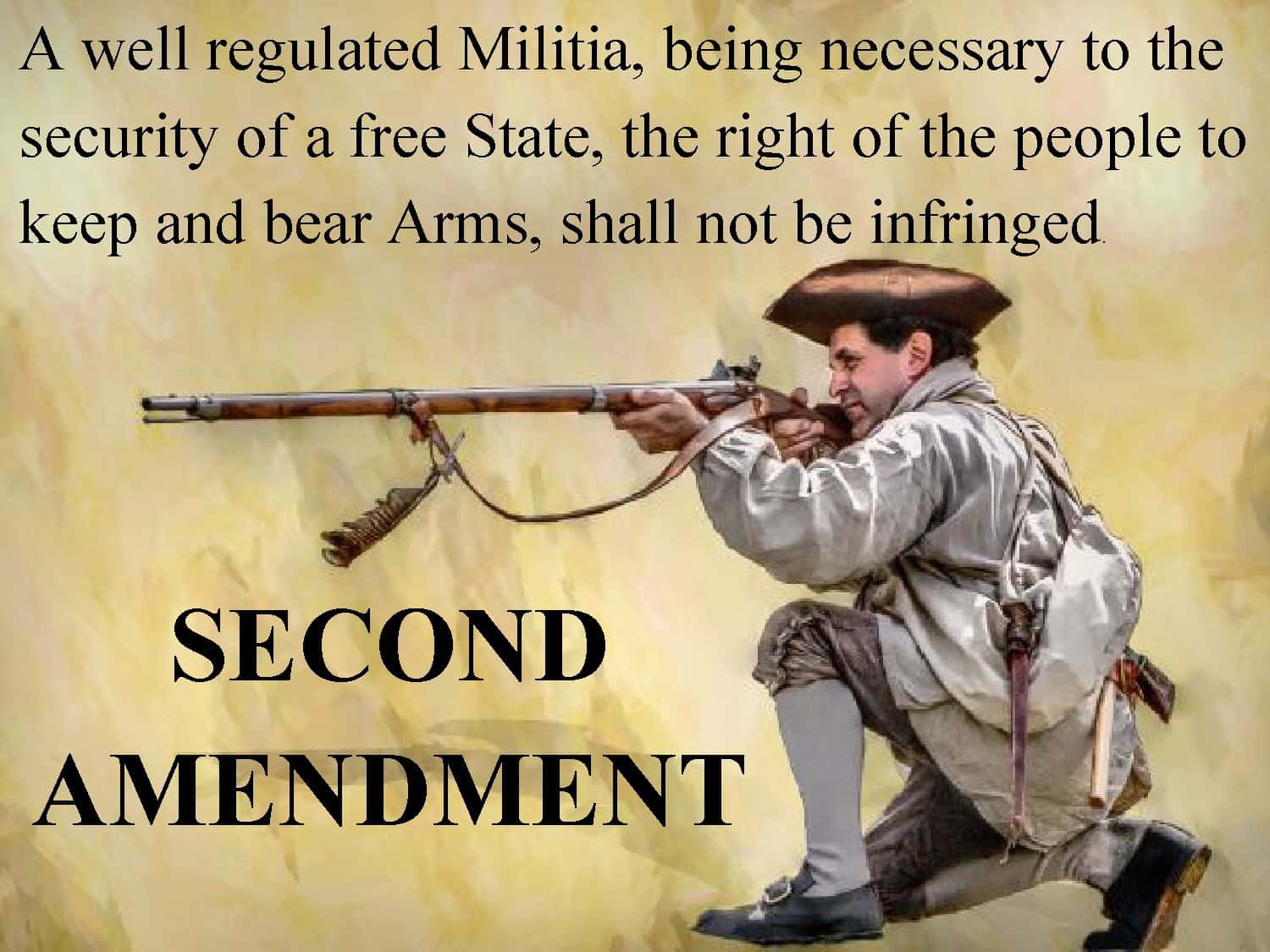
GOV 26.46 Bill of Rights – 2nd Amendment
a·mend·ment (noun)
a minor change or addition designed to improve a text, piece of legislation, etc.<Similar: revision, alteration, change, modification, adjustment, edit, update
made to the U.S. ConstitutionContinue reading Post ID 61315
-
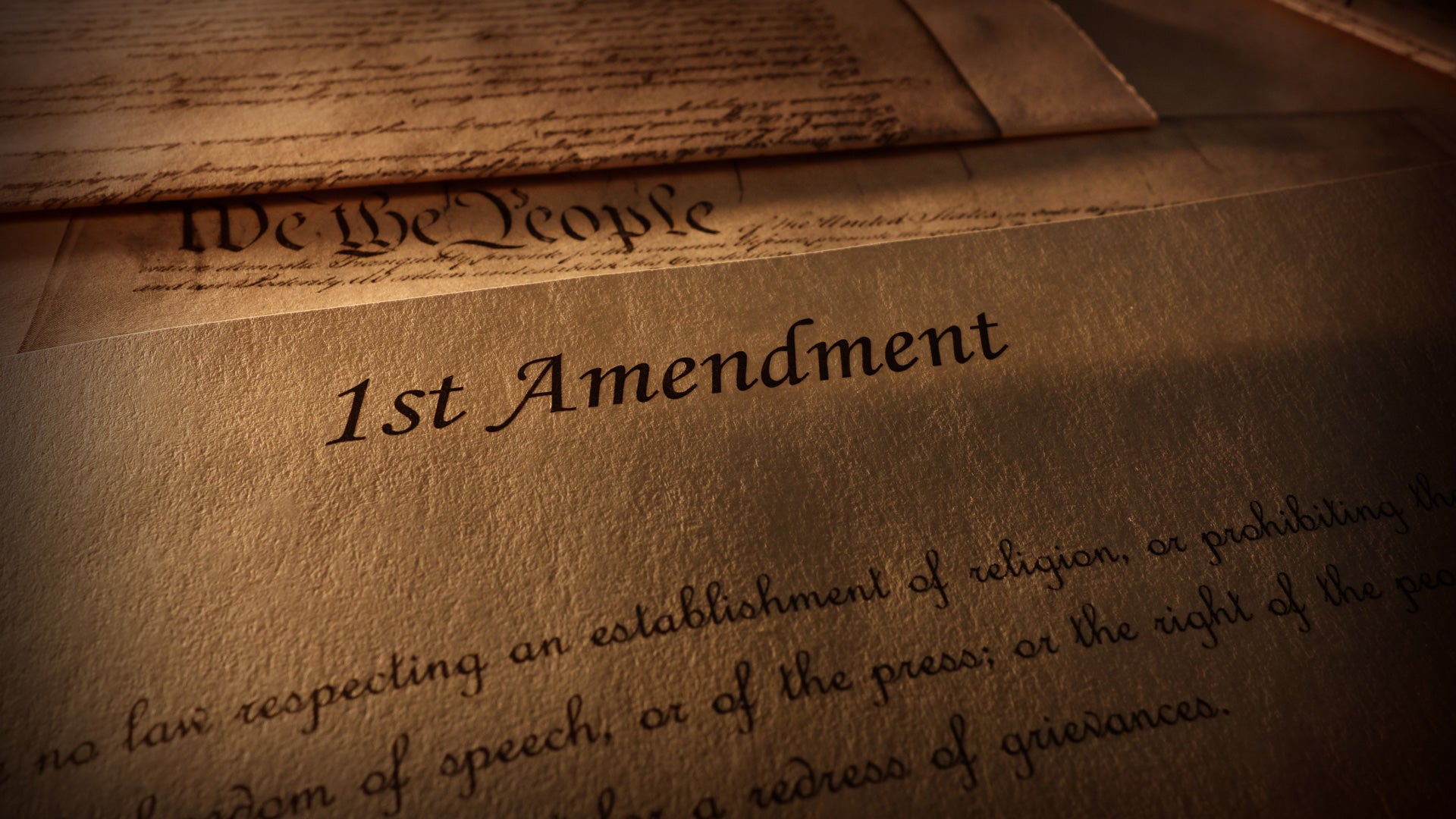
GOV 26.45 Bill of Rights – 1st Amendment
a·mend·ment (noun)
a minor change or addition designed to improve a text, piece of legislation, etc.<Similar: revision, alteration, change, modification, adjustment, edit, update
made to the U.S. ConstitutionCongress shall make no law respecting an establishment of religion, or prohibiting the free exercise thereof; or abridging the freedom of speech, or of the press; or the right of the people peaceably to assemble, and to petition the Government for a redress of grievances.
Continue reading Post ID 61315
-
GOV 26.37 Freeman-pedia: Dozendates Review 1776

You DO NOT have to know any dates for AP World Modern. BUT, Ben Freeman would argue knowing certain major events can give you an idea of the major themes and flow of the course.
Continue reading Post ID 61315
-
GOV 26.35 USA – Types of Government (HOMEWORK)
CAVEAT LECTOR: You may find yourself agreeing or disagreeing with this video . . . where do you stand on this topic?
Types of Government, Explained
Click on your appropriate class to complete the assignment
P 1/5 CLICK HERE and P 2/3 CLICK HERE
-
GOV 26.33 USA – The Declaration of Independence (Interactive)
The Interactive Declaration provides the Declaration’s plain text with links to essays and related content for each section.

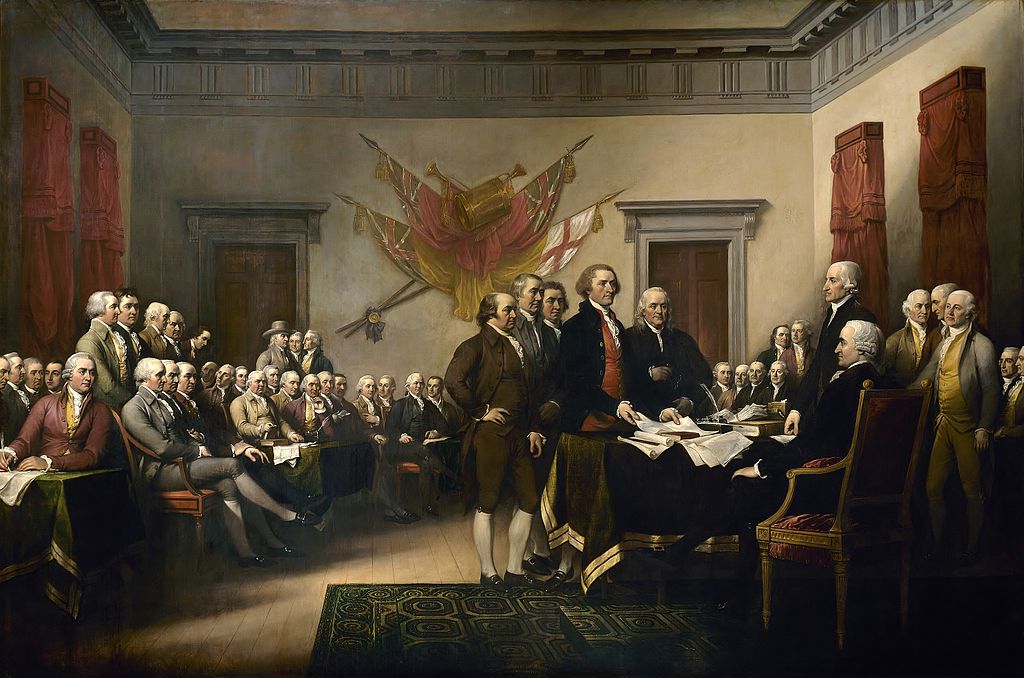
DIRECTIONS – explore the different sections of the “break up letter” and see the signers who put their lives, families, and fortunes at risk for a new country.
CLICK HERE
Continue reading Post ID 61315
-
GOV 26.27 USA – Too Late to Apologize: A Declaration
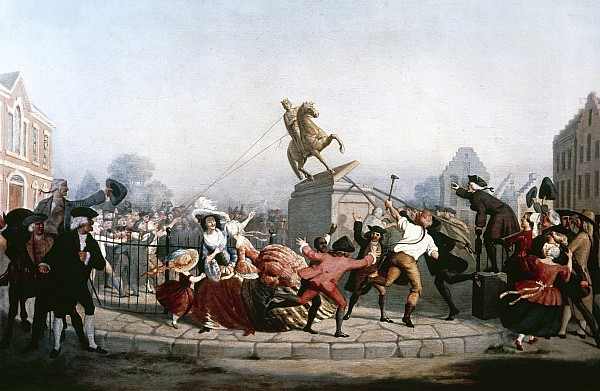
Once the movement for Independence was set in motion, England came to reassert its control on the North American colonies. There was no turning back…. it was too late to apologize.

Continue reading Post ID 61315
-
GOV 26.26 USA – So What Was 1776?
Was it one or more of the following?
A Revolt?
A Secession? An American Revolution? An American Independence?Continue reading Post ID 61315
-
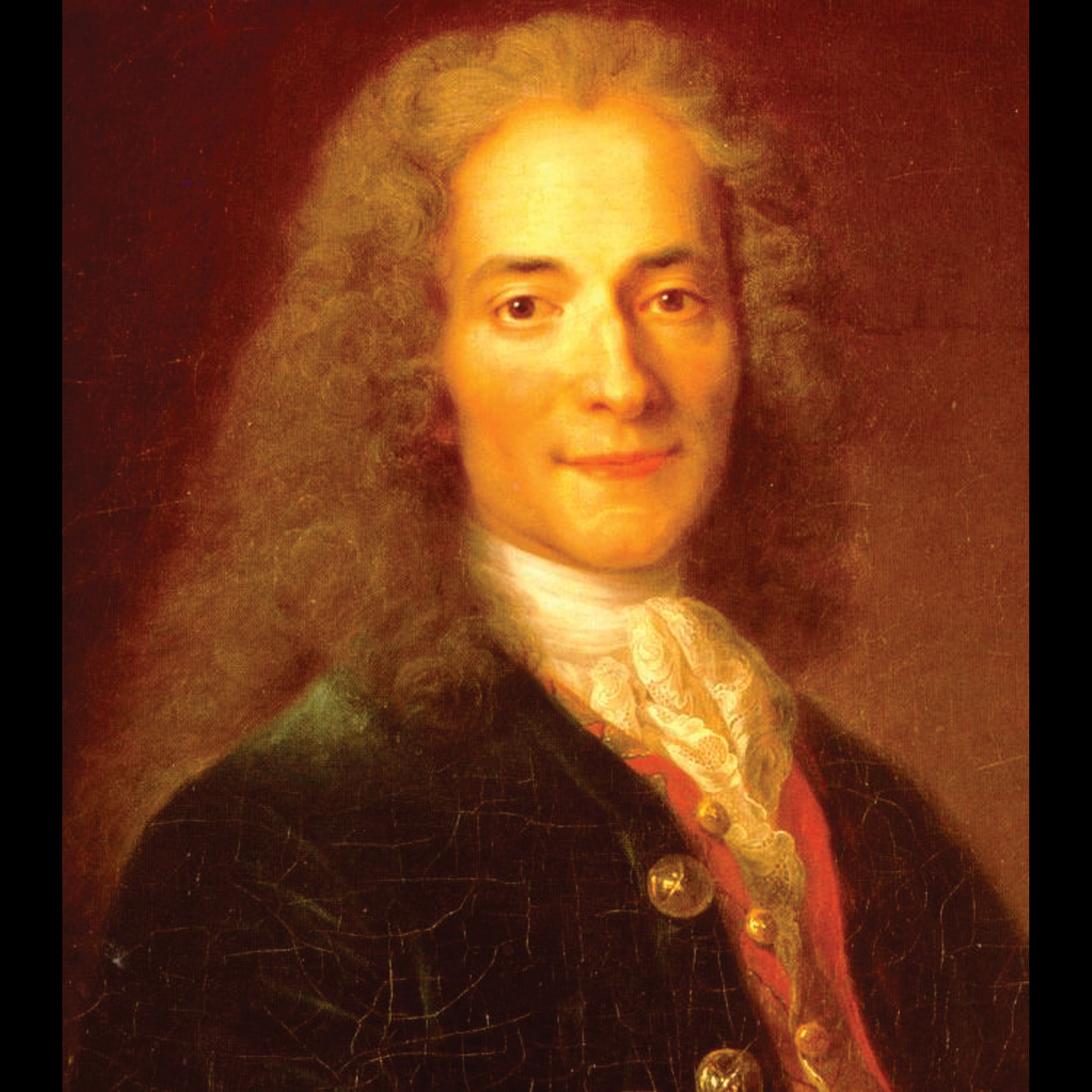
GOV 26.25 The Enlightenment – Leads to REVOLUTION (Summary)

Summary
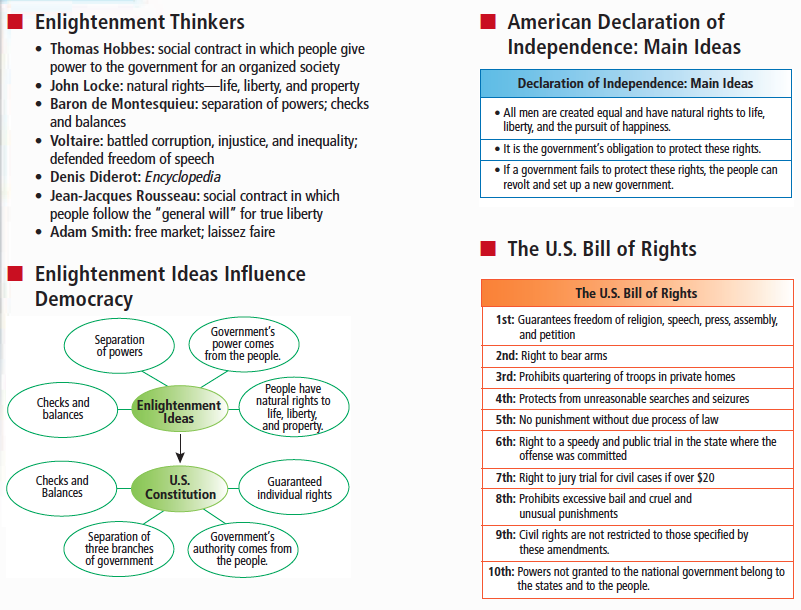
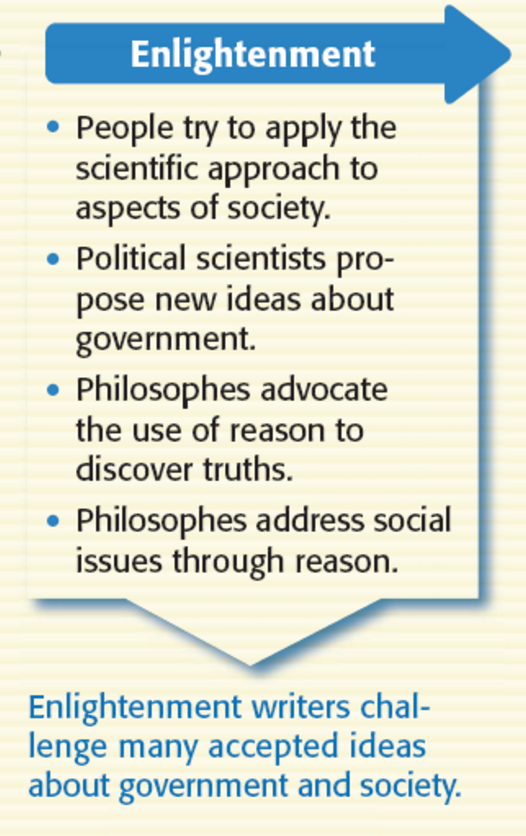
The Enlightenment, sometimes called the Age of Reason, sought to shine the “light” of reason on traditional ideas about government and society. Enlightenment thinkers promoted goals of material well-being, social justice, and worldly happiness. Their ideas about government and society stood in sharp contrast to the old principles of divine-right rule, a rigid social hierarchy, and the promise of a better life in heaven. Since the 1700s, Enlightenment ideas have spread, creating upheaval as they challenge established traditions around the world.
-
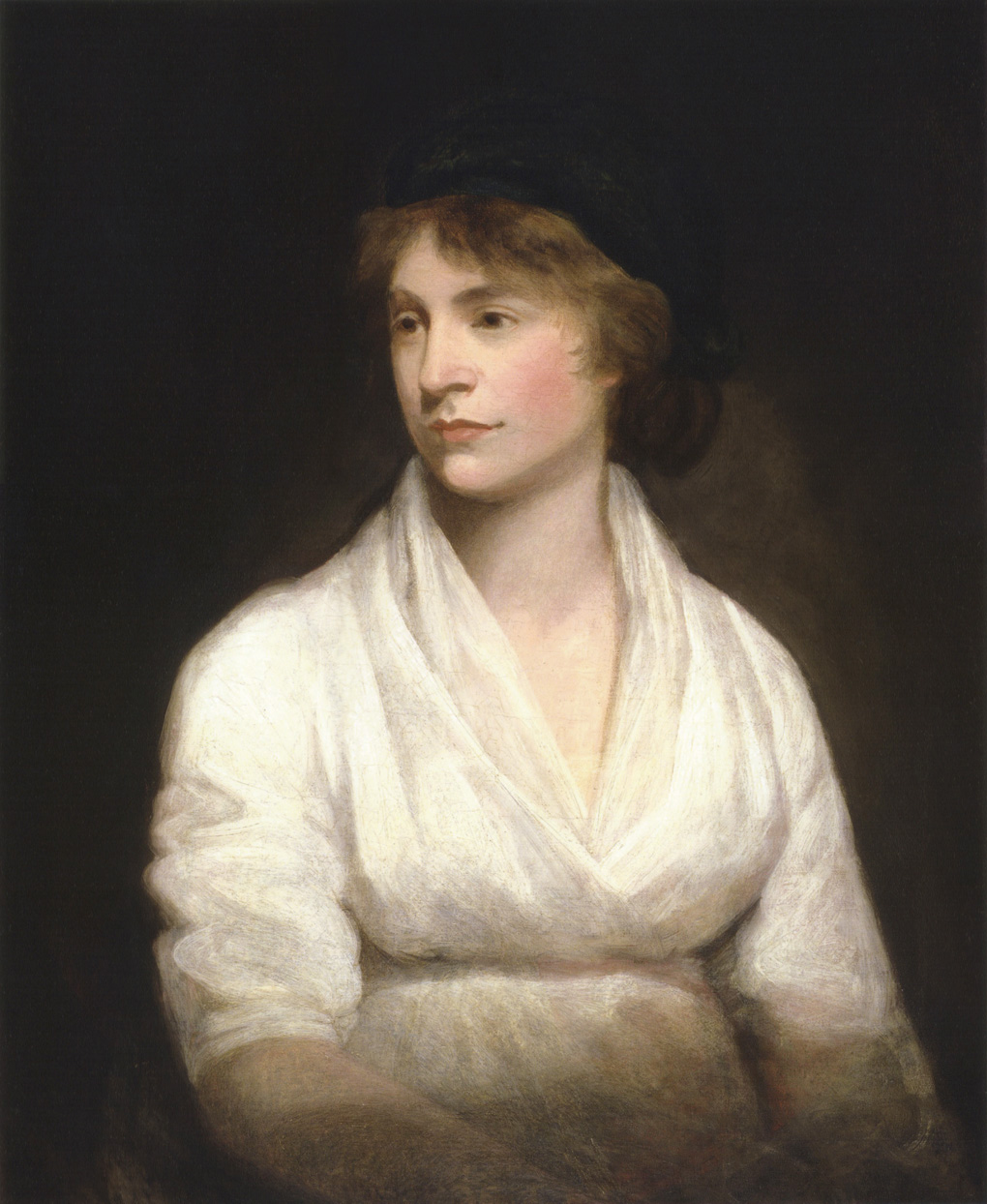
GOV 26.24 Enlightenment Thinker – Mary Wollstonecraft
Mary Wollstonecraft was an English writer and philosopher who became a pioneer in the fight for women’s rights. Her 1792 work, A Vindication of the Rights of Woman, challenged societal norms by arguing for women’s education, empowerment, and independence.

Illustrative Examples (p 99) – Demands
Continue reading Post ID 61315
-
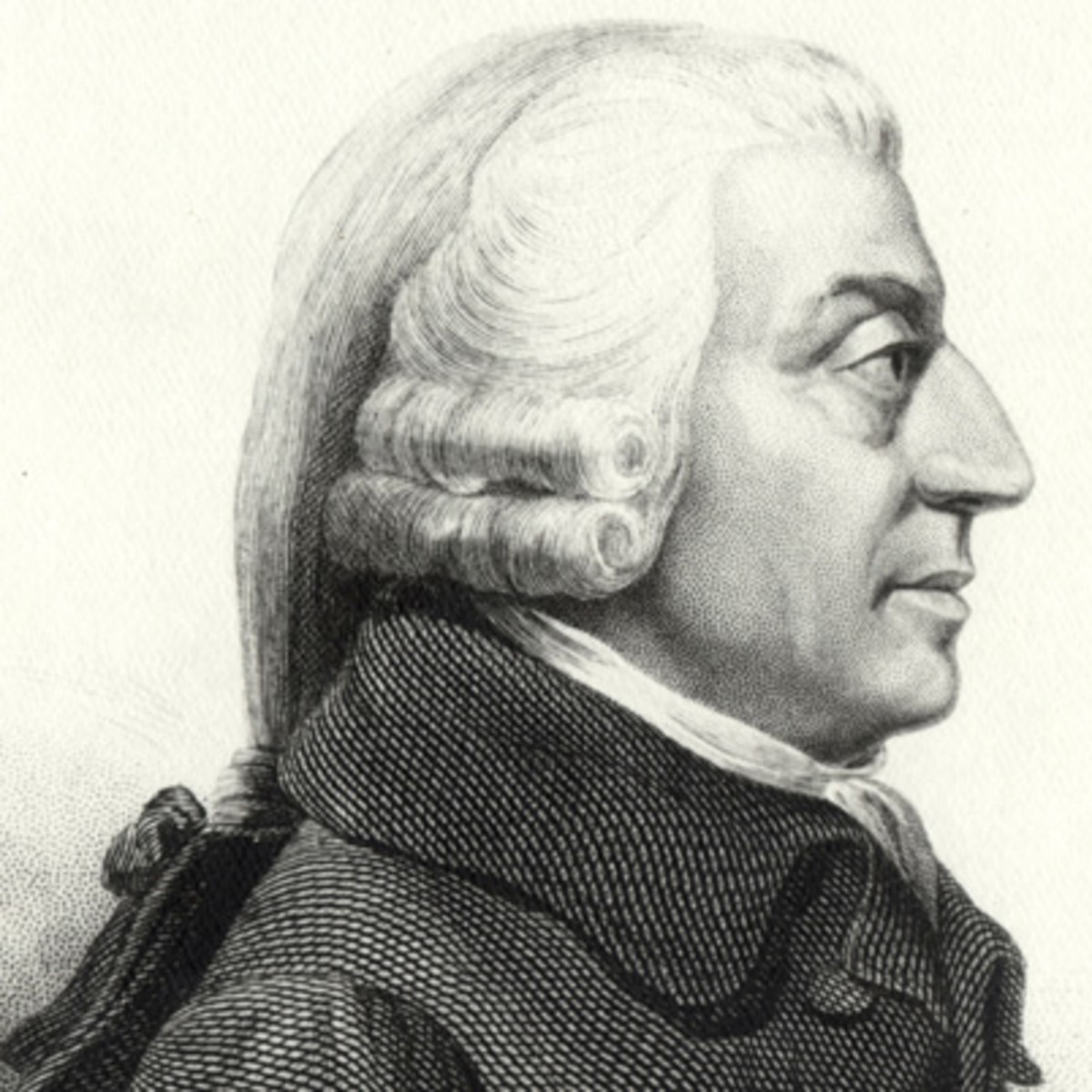
GOV 26.23 Enlightenment Thinker – Adam Smith
Adam Smith (1723 – 1790) was a Scottish economist, philosopher and author as well as a moral philosopher, a pioneer of political economy and a key figure during the Scottish Enlightenment, also known as ”The Father of Economics” or ”The Father of Capitalism”.

Continue reading Post ID 61315
-
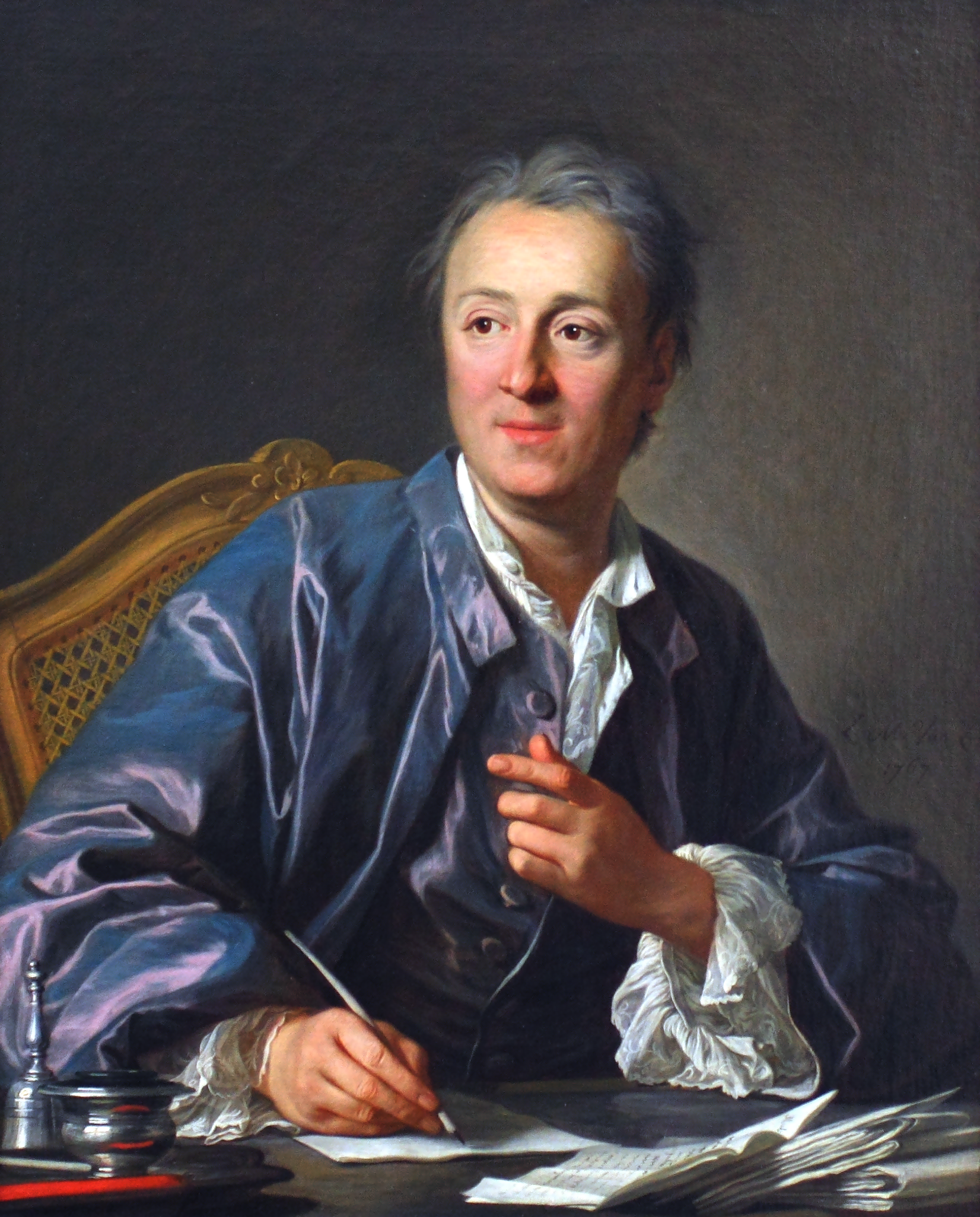
GOV 26.22 Enlightenment Thinker – Denis Diderot
Denis Diderot (1713 -1784) French man of letters and philosopher who, from 1745 to 1772, served as chief editor of the Encyclopédie, one of the principal works of the Age of Enlightenment.

Continue reading Post ID 61315
-
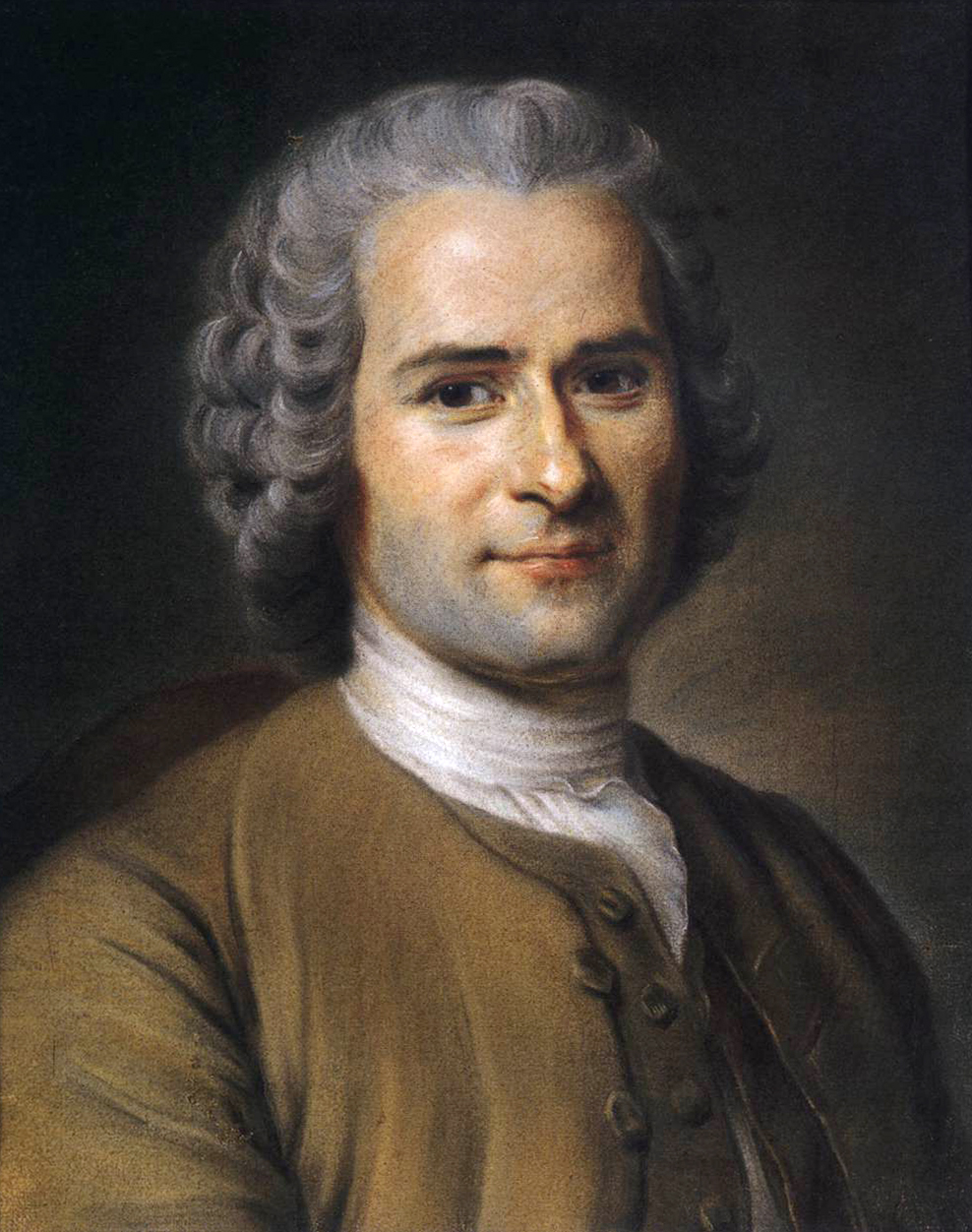
GOV 26.21 Enlightenment Thinker – Jean-Jacques Rousseau
Jean-Jacques Rousseau was a Genevan philosopher, writer and composer. (1712–1778)

Continue reading Post ID 61315
-
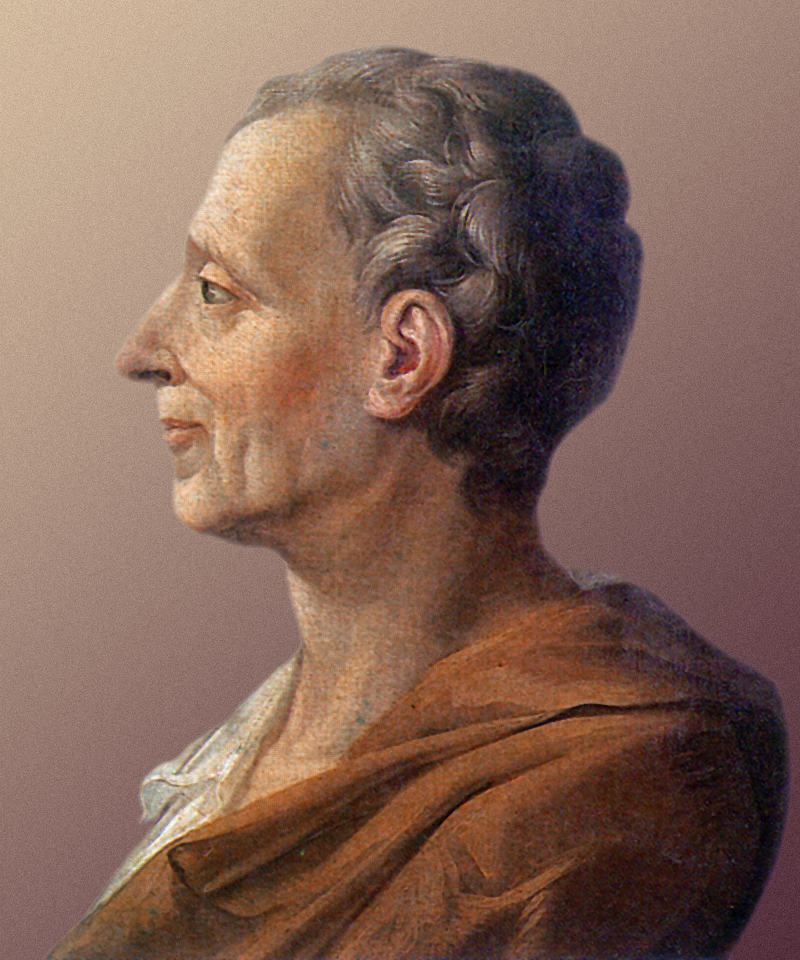
GOV 26.19 Enlightenment Thinker – Baron de Montesquieu
Philosopher, Government Official, Legal Professional, Writer (1689–1755)
Continue reading Post ID 61315
-
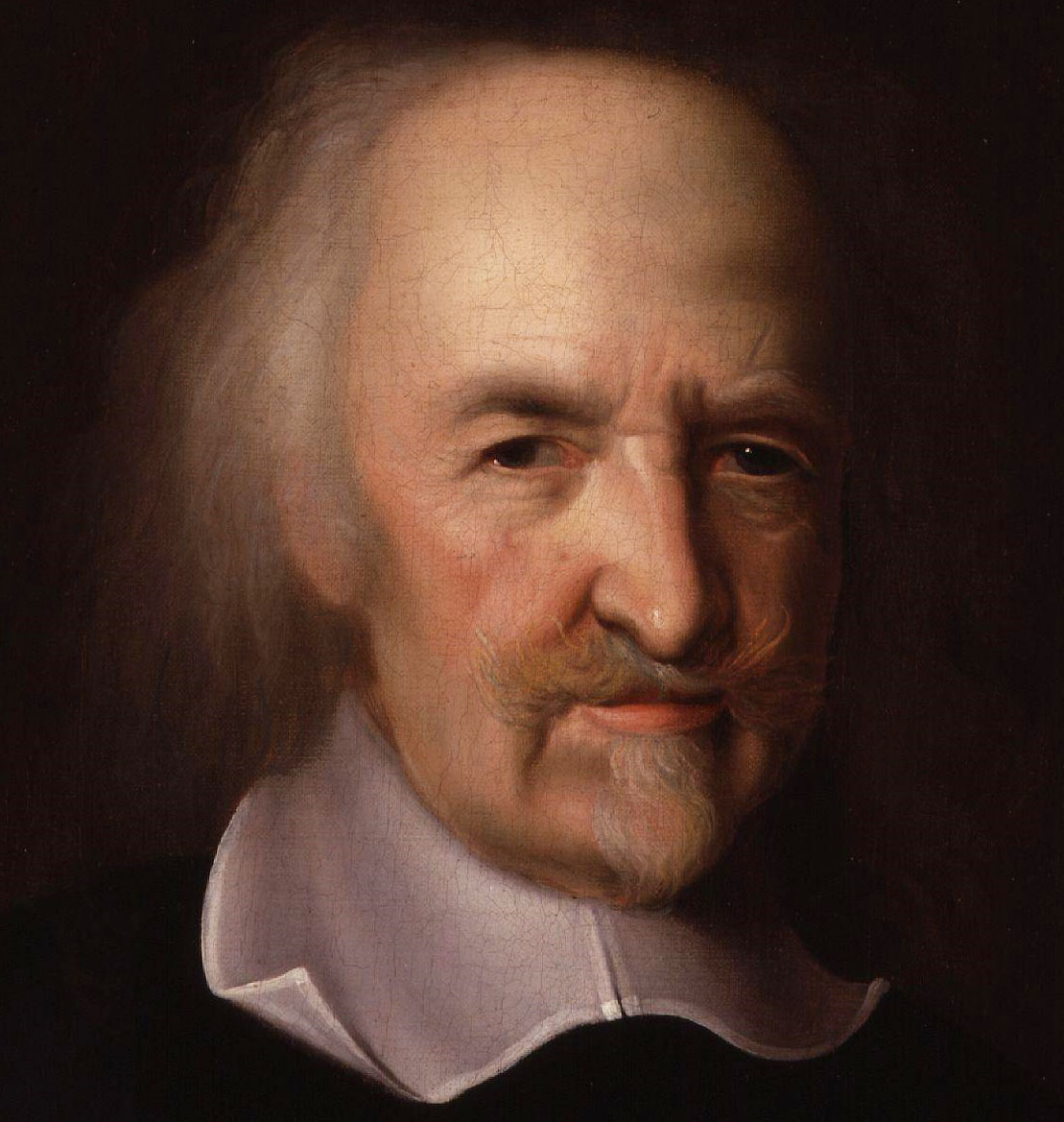
GOV 26.18 Enlightenment Thinker – Thomas Hobbes
Academic, Philosopher, Political Scientist, Journalist, Historian (1588–1679)
Continue reading Post ID 61315
-
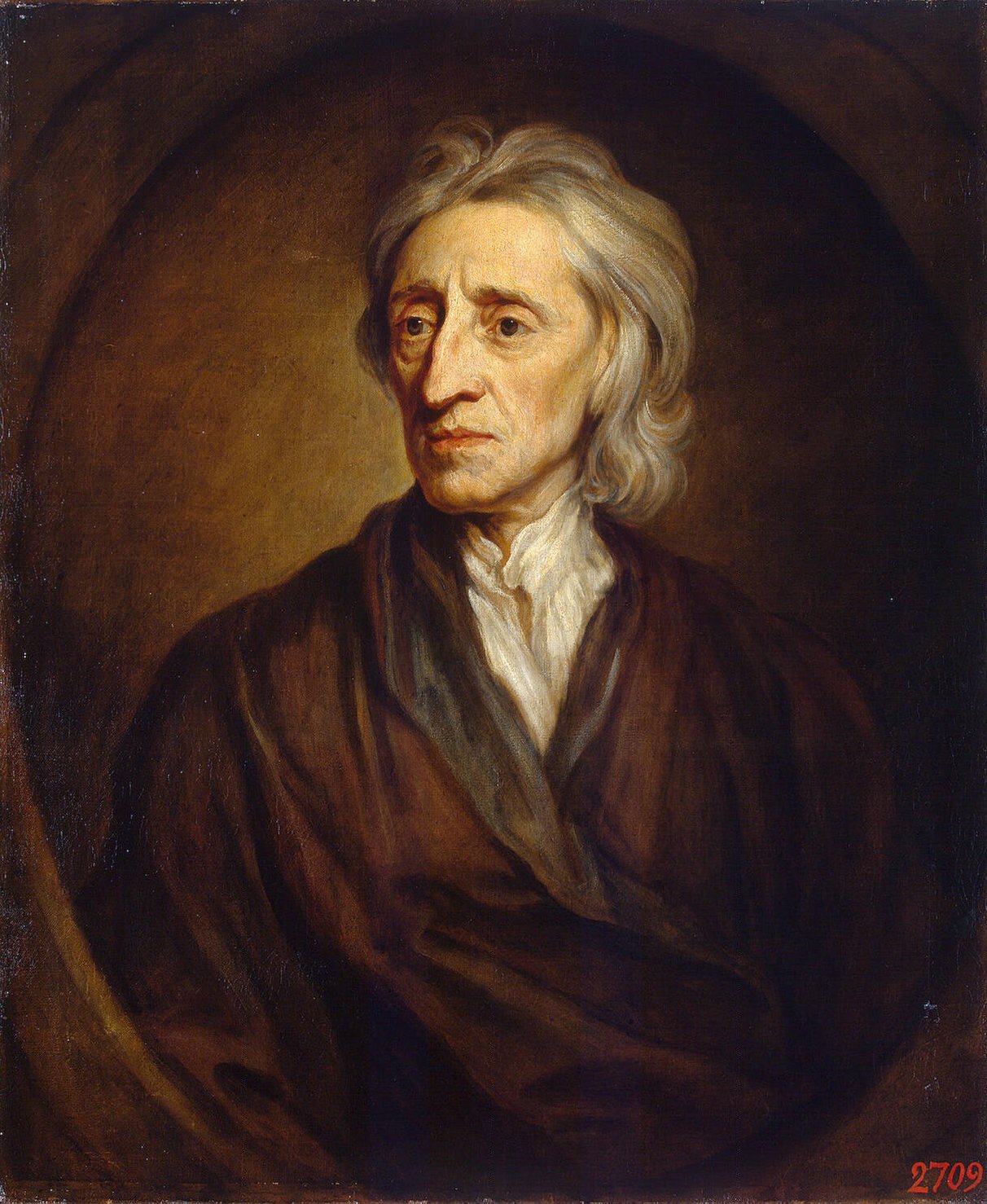
GOV 26.17 Enlightenment Thinker – John Locke
John Locke was an English philosopher and physician, widely regarded as one of the most influential of the Enlightenment thinkers and commonly known as the “father of liberalism”. (1632–1704)
Continue reading Post ID 61315


You must be logged in to post a comment.