
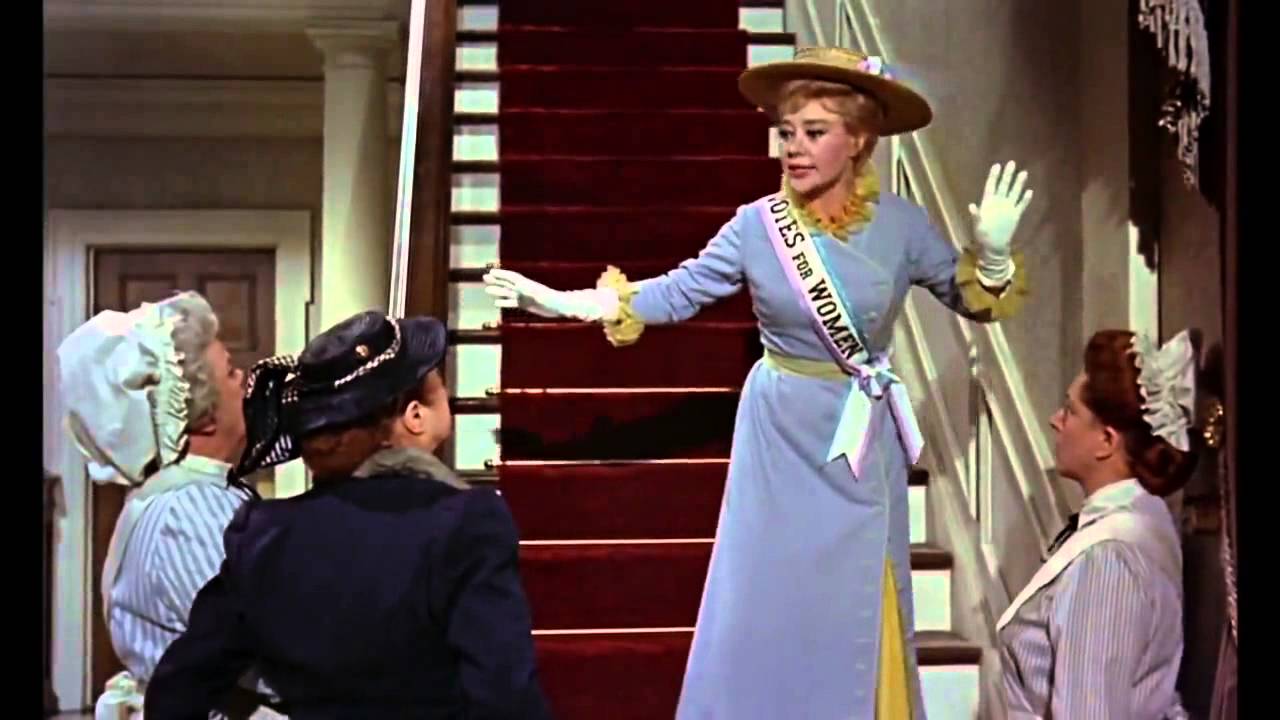
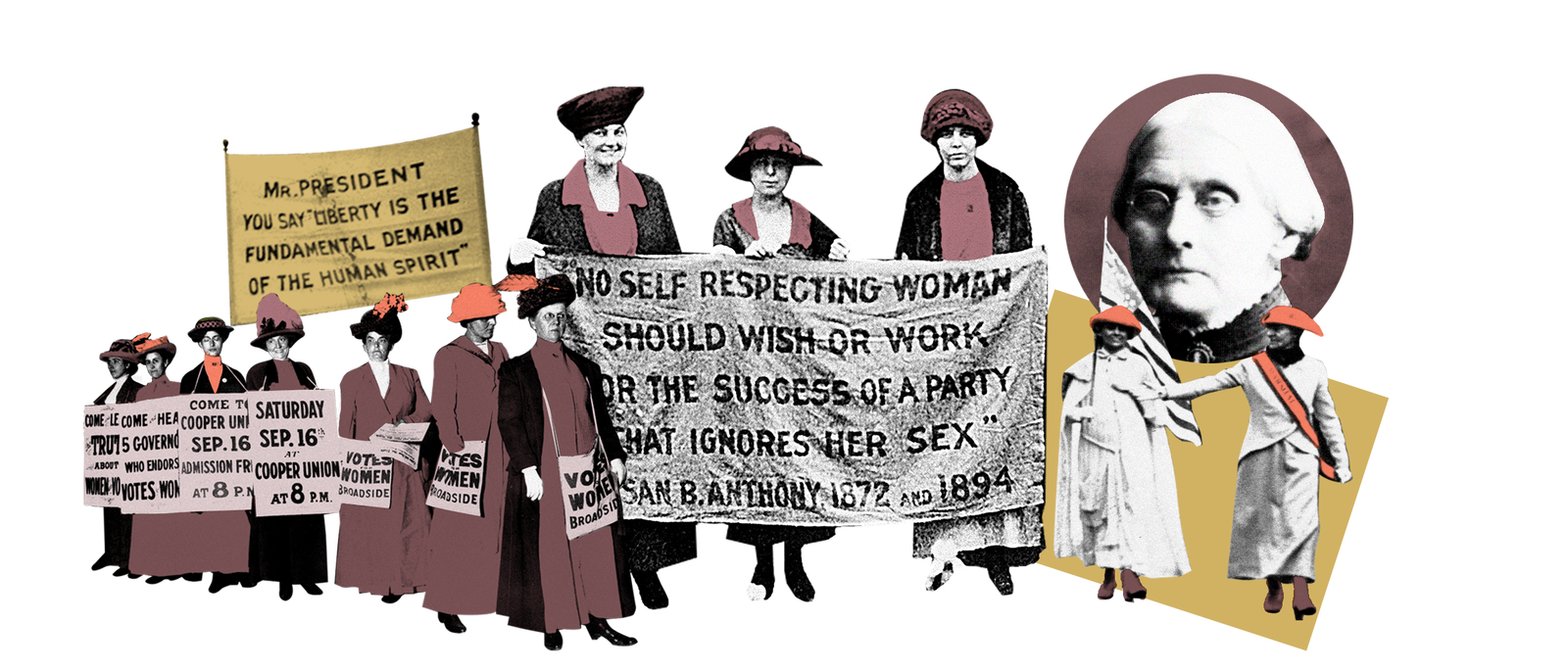
suf·fra·gette – noun
a woman seeking the right to vote through organized protest.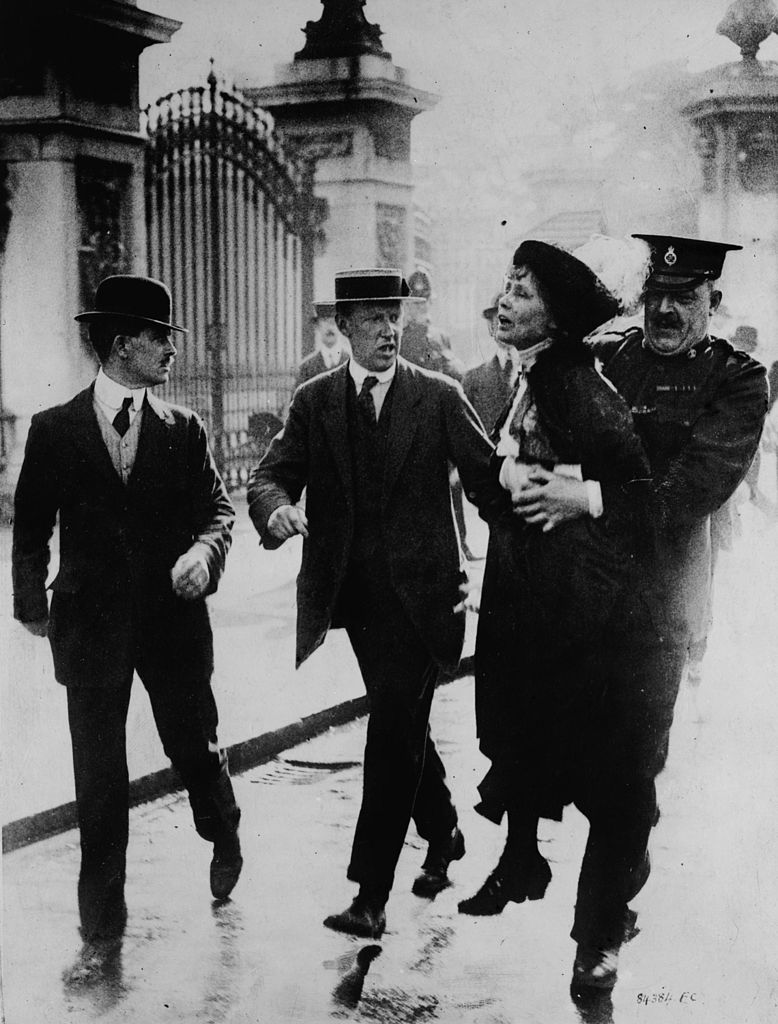
Continue reading Post ID 28512
suf·fra·gette – noun
a woman seeking the right to vote through organized protest.
Continue reading Post ID 28512
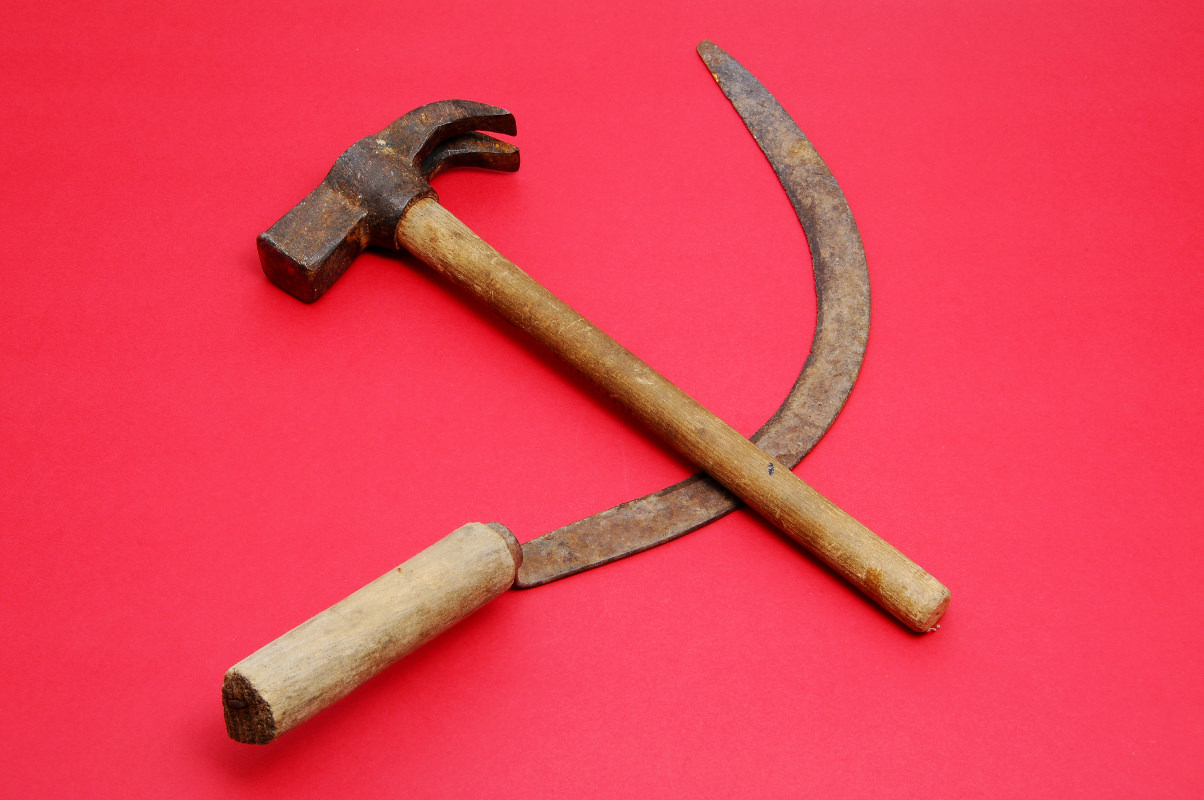
Com·mu·nism (noun)
– a political theory derived from Karl Marx, advocating class war and leading to a society in which all property is publicly owned and each person works and is paid according to their abilities and needs.
– doctrine based on revolutionary Marxian socialism and Marxism-Leninism that was the official ideology of the U.S.S.R.
– a totalitarian system of government in which a single authoritarian party controls state-owned means of production
– a final stage of society in Marxist theory in which the state has withered away and economic goods are distributed equitably
– communist systems collectively eliminating of private property
 Continue reading Post ID 28512
Continue reading Post ID 28512
Socialism (noun)
– a political and economic theory (policy or practice) of social organization that advocates that the means of production, distribution, and exchange should be owned or regulated by the community as a whole.
– (in Marxist theory) a transitional social state between the overthrow of capitalism and the realization of communism.

Continue reading Post ID 28512
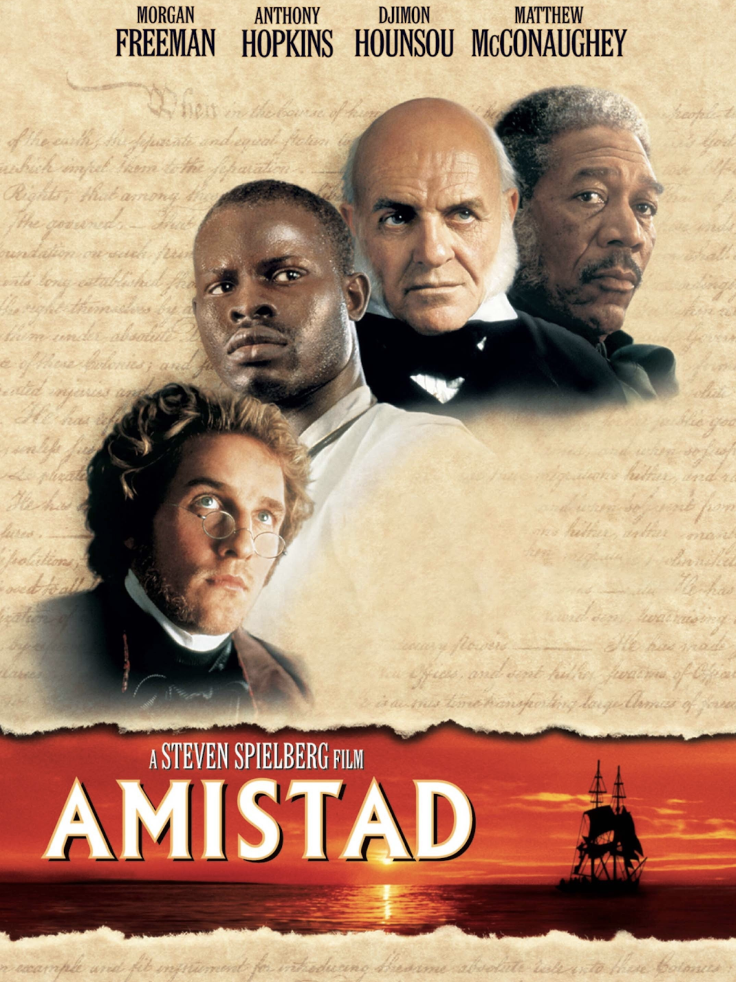 If one wishes to understand the causes of the Civil War and the development that led to the Emancipation Proclamation, it is imperative to understand the role of slavery in the nineteenth-century United States. One possible way of preparing students for this episode in American history is by viewing a movie that deals with the topic of slavery both from an emotional and a legal point of view. The movie Amistad includes both aspects. (Source:Christine Meißner)
Continue reading Post ID 28512
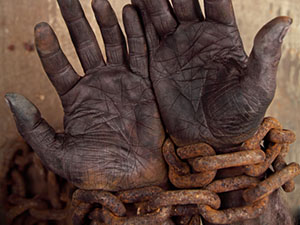
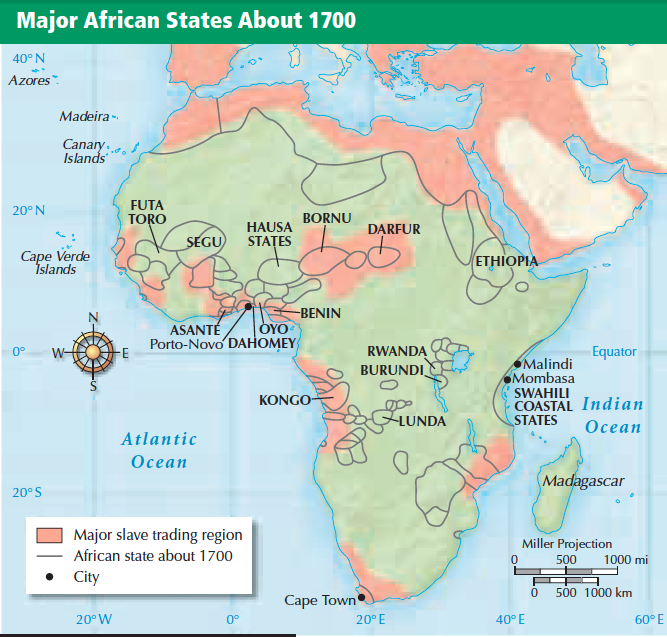
Slavery became a global industry for the first time in history when millions of African men and women were sold as slaves to Europeans.
 315 years. 20,528 voyages.
 Continue reading Post ID 28512
Classic Motown music officially spans from 1959 to 1983, with its peak “Golden Age” dominating the 1960s and early 1970s. Founded by Berry Gordy in Detroit, it defined the “Sound of Young America” via artists like The Supremes, Marvin Gaye, and Stevie Wonder, blending soul, pop, and R&B.
Continue reading Post ID 28512

Continue reading Post ID 28512
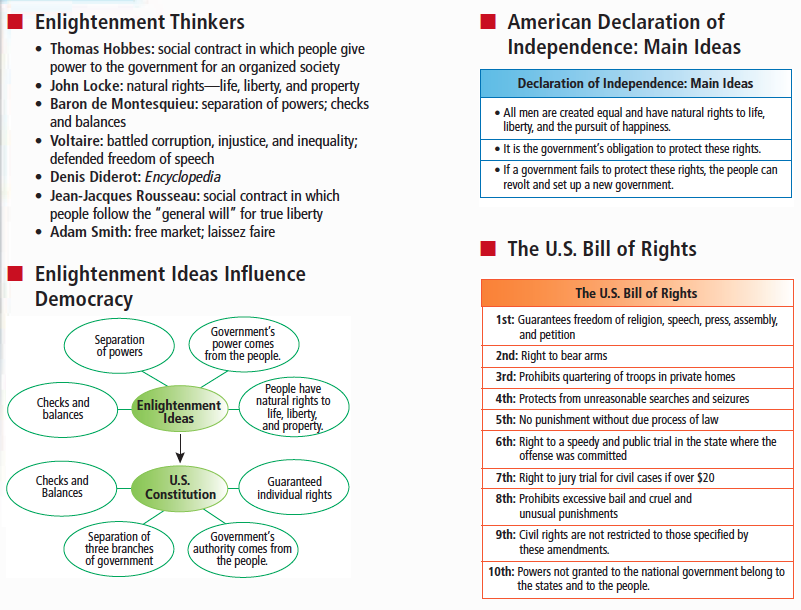
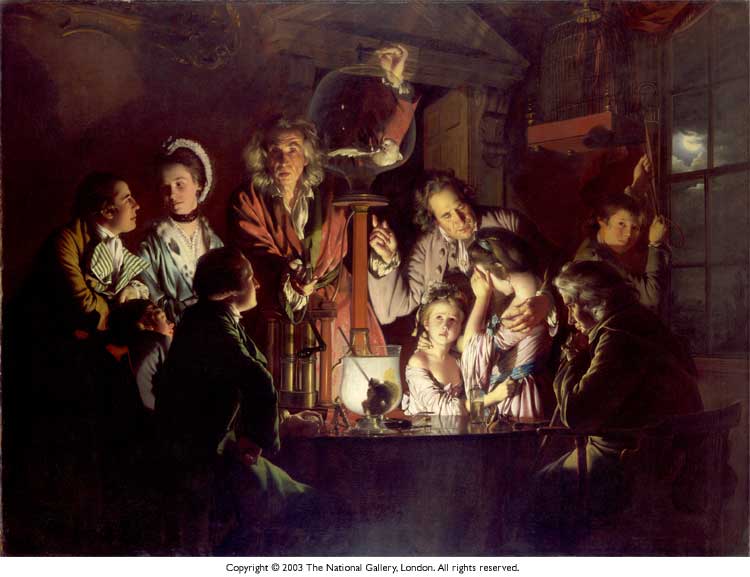
The Enlightenment, sometimes called the Age of Reason, sought to shine the “light” of reason on traditional ideas about government and society. Enlightenment thinkers promoted goals of material well-being, social justice, and worldly happiness. Their ideas about government and society stood in sharp contrast to the old principles of divine-right rule, a rigid social hierarchy, and the promise of a better life in heaven. Since the 1700s, Enlightenment ideas have spread, creating upheaval as they challenge established traditions around the world.
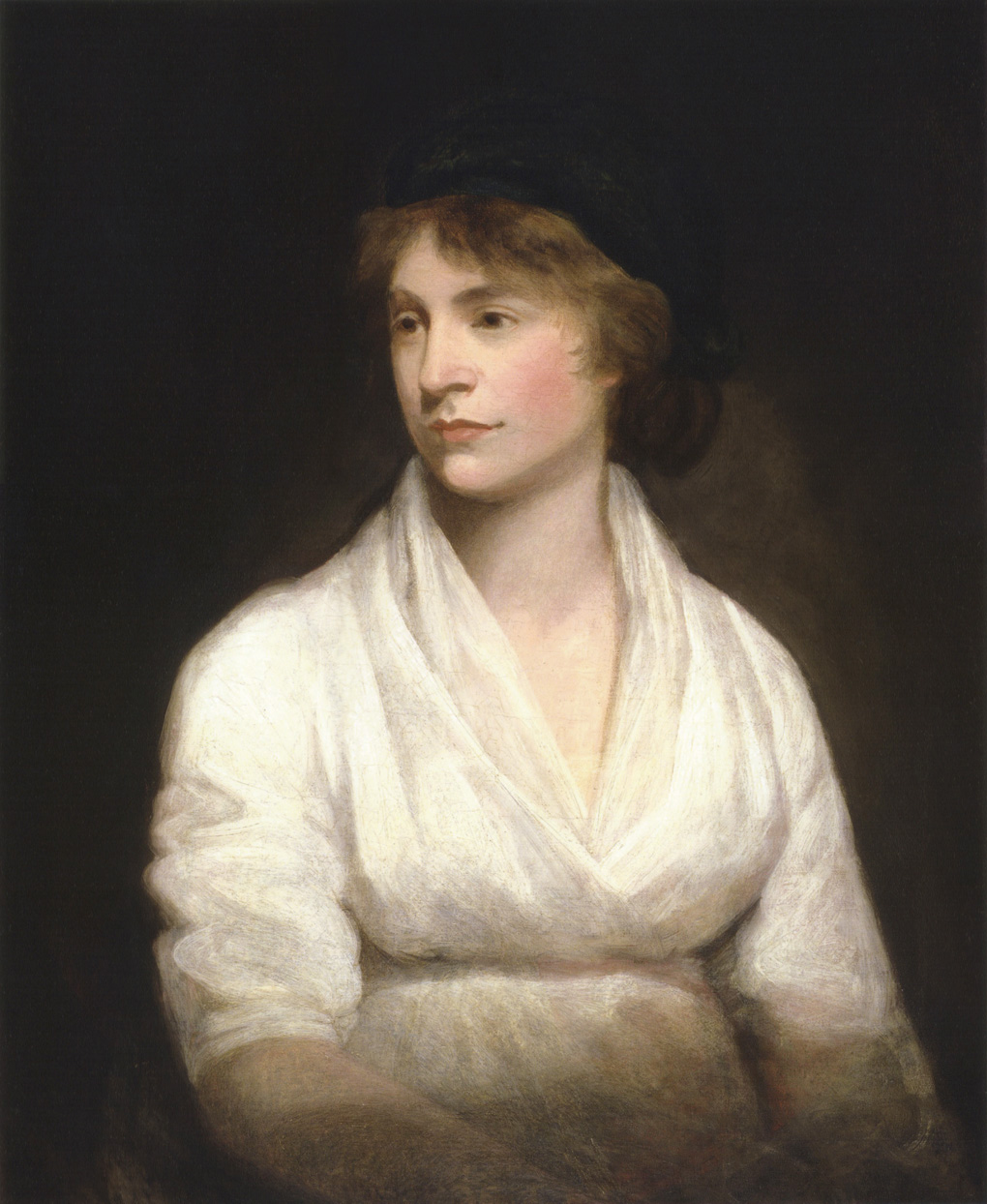
Mary Wollstonecraft was an English writer and philosopher who became a pioneer in the fight for women’s rights. Her 1792 work, A Vindication of the Rights of Woman, challenged societal norms by arguing for women’s education, empowerment, and independence.
Illustrative Examples (p 99) – Demands
Continue reading Post ID 28512
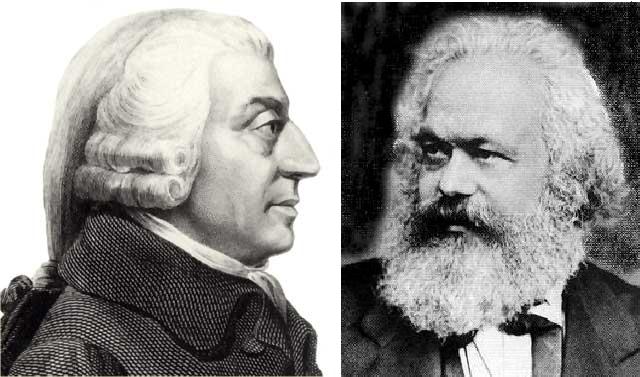
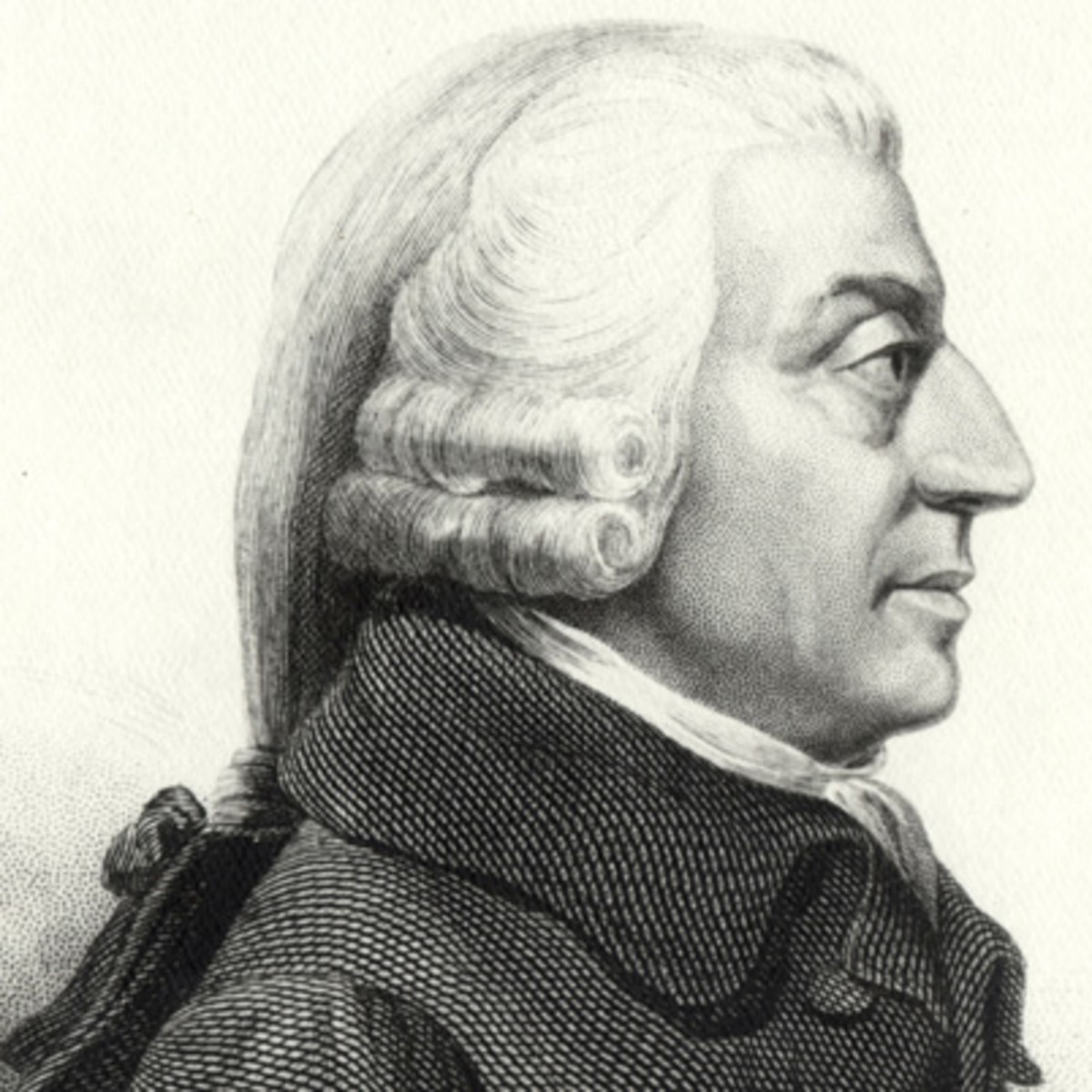
Adam Smith (1723 – 1790) was a Scottish economist, philosopher and author as well as a moral philosopher, a pioneer of political economy and a key figure during the Scottish Enlightenment, also known as ”The Father of Economics” or ”The Father of Capitalism”.
Continue reading Post ID 28512
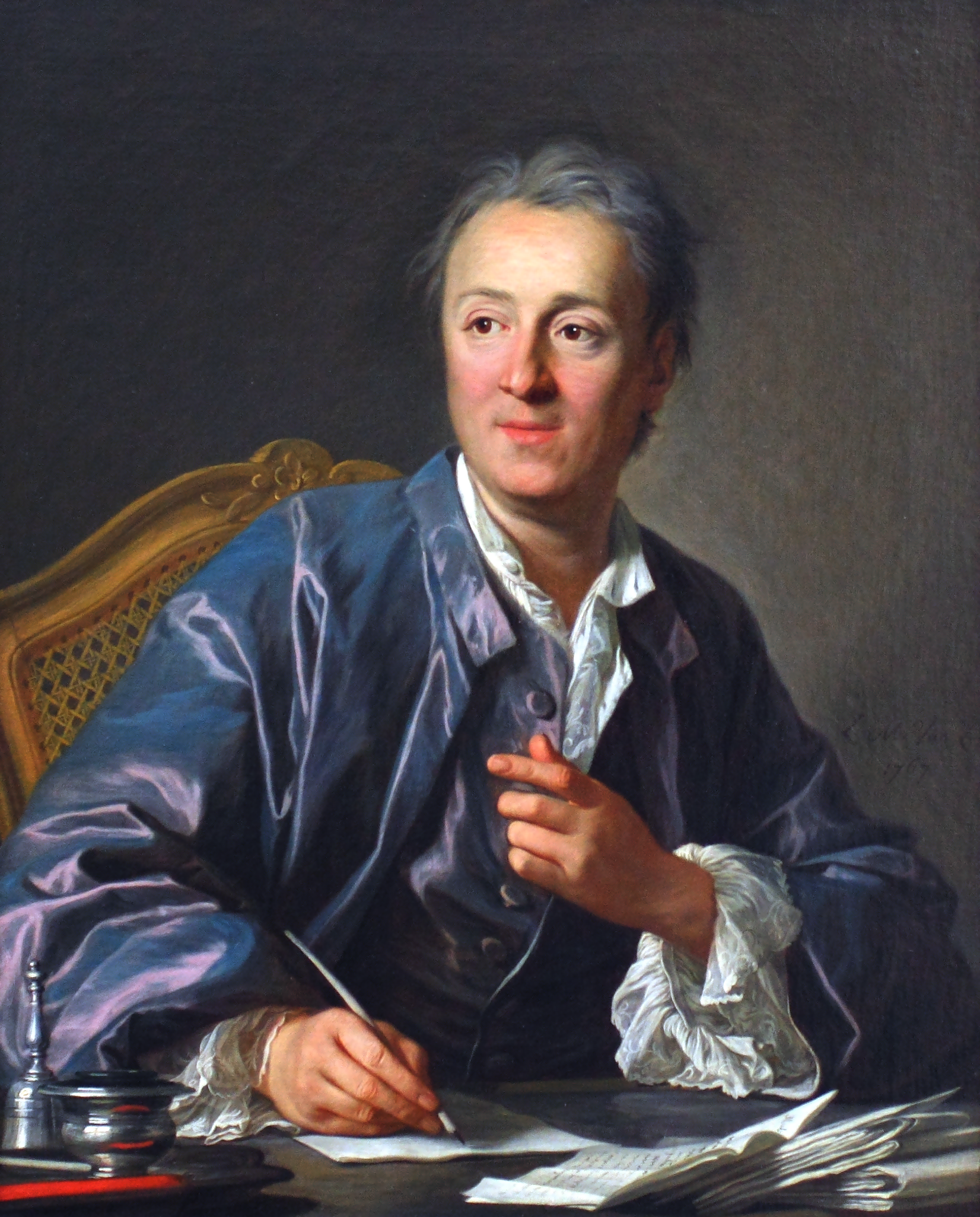
Denis Diderot (1713 -1784) French man of letters and philosopher who, from 1745 to 1772, served as chief editor of the Encyclopédie, one of the principal works of the Age of Enlightenment.
Continue reading Post ID 28512
Jean-Jacques Rousseau was a Genevan philosopher, writer and composer. (1712–1778)
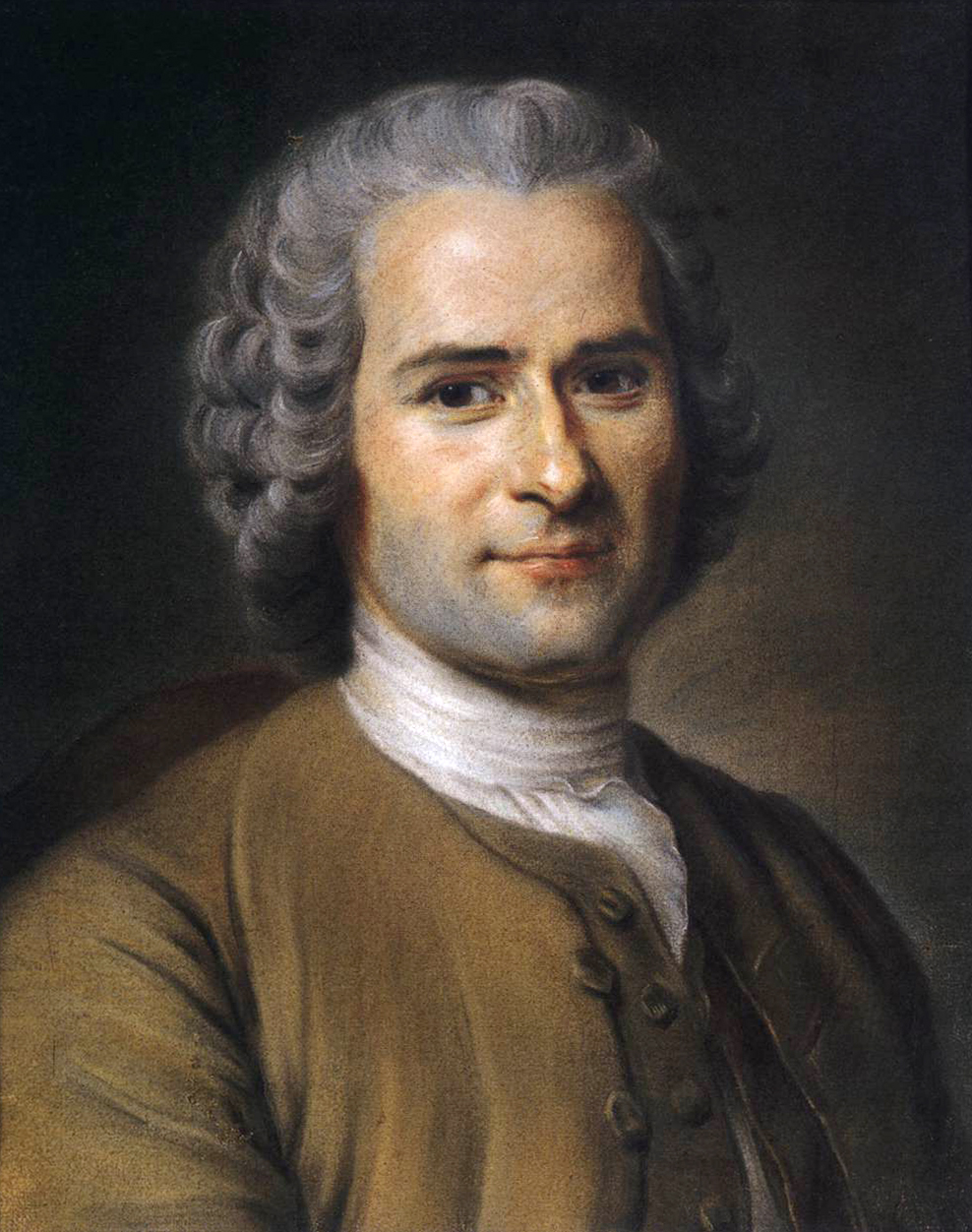
Continue reading Post ID 28512
Academic, Philosopher, Political Scientist, Journalist, Historian (1588–1679)
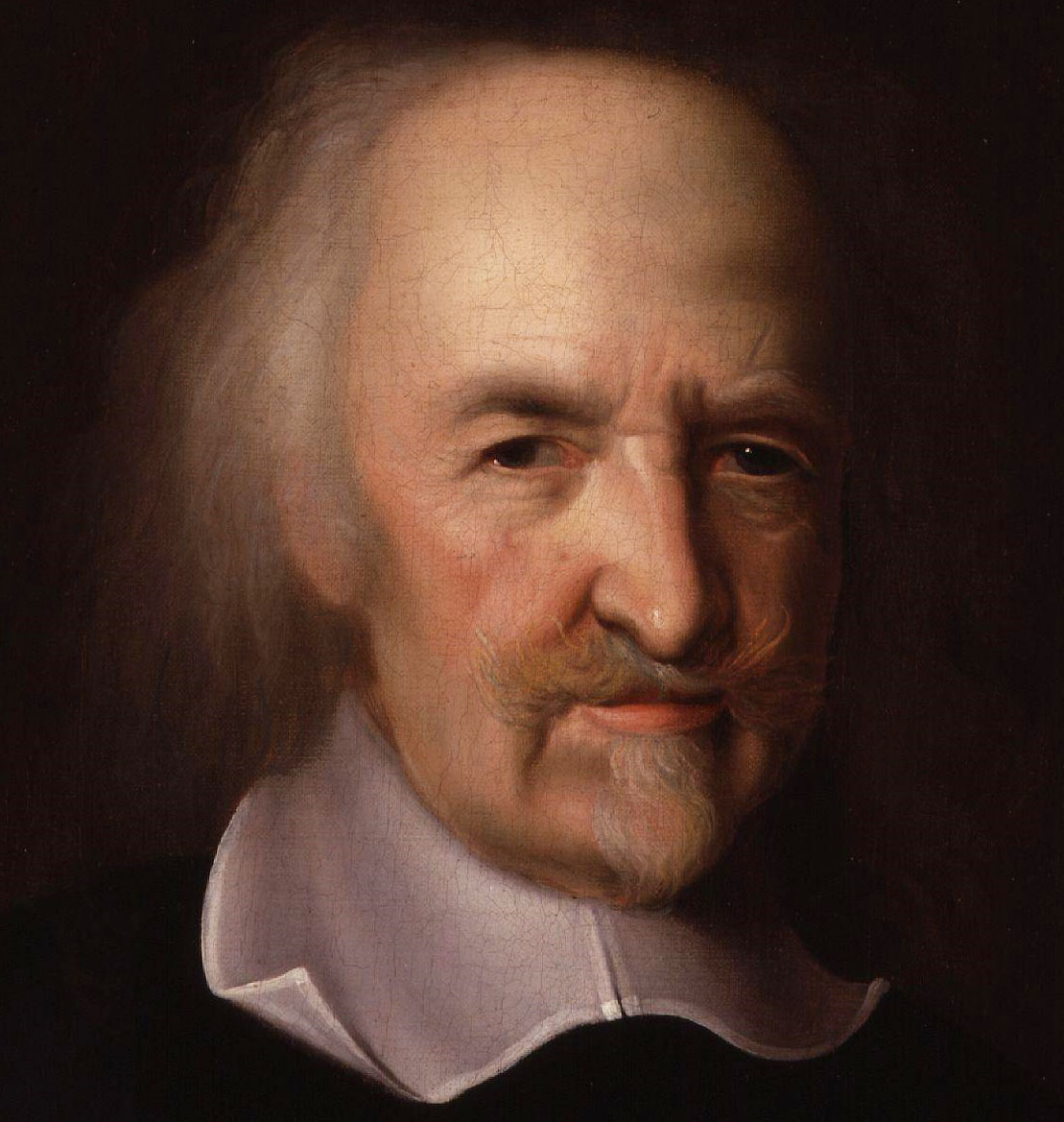 Continue reading Post ID 28512
John Locke was an English philosopher and physician, widely regarded as one of the most influential of the Enlightenment thinkers and commonly known as the “father of liberalism”. (1632–1704)
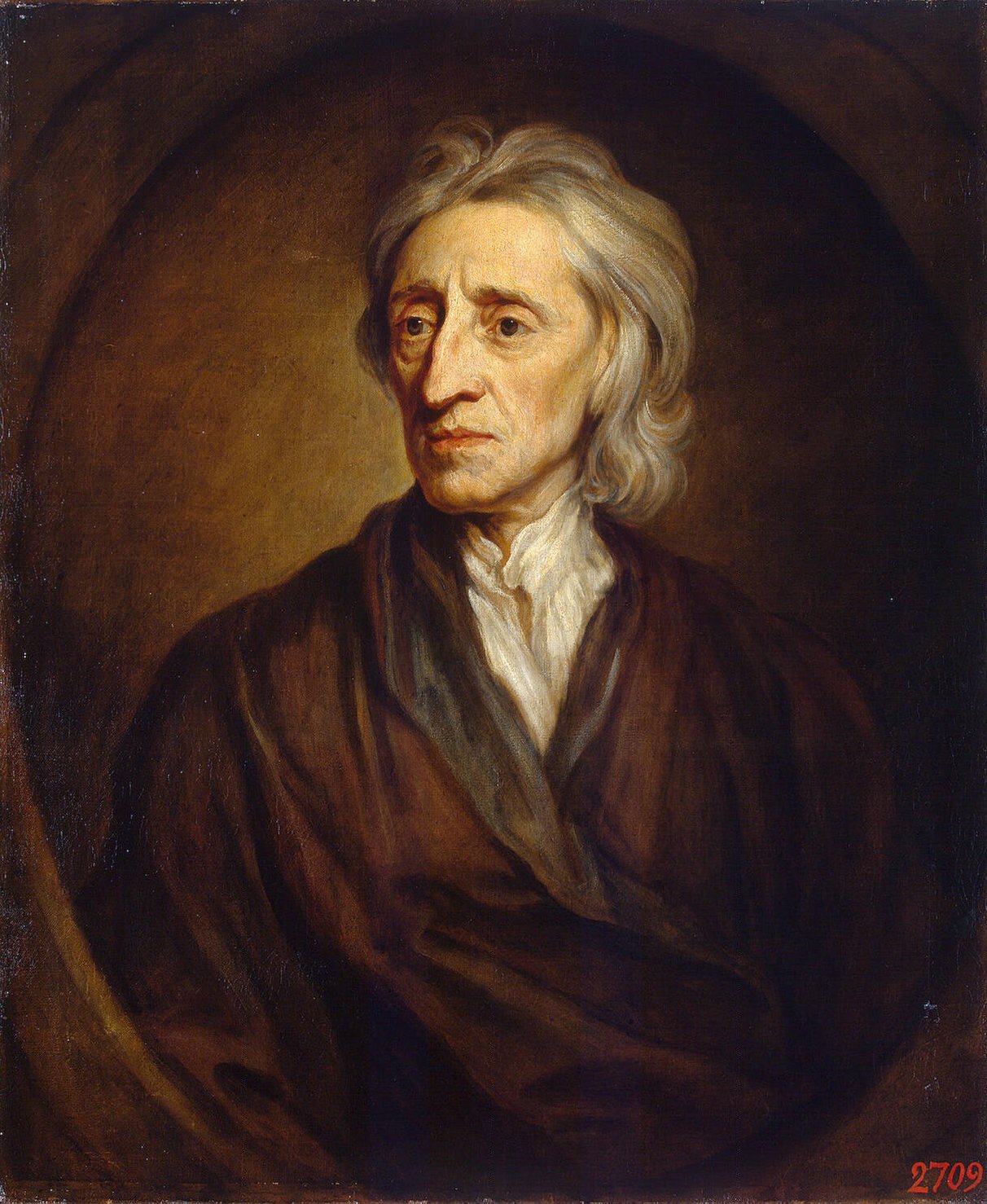 Continue reading Post ID 28512
Johann Sebastian Bach (1685 – 1750) was a German composer and musician of the Baroque period.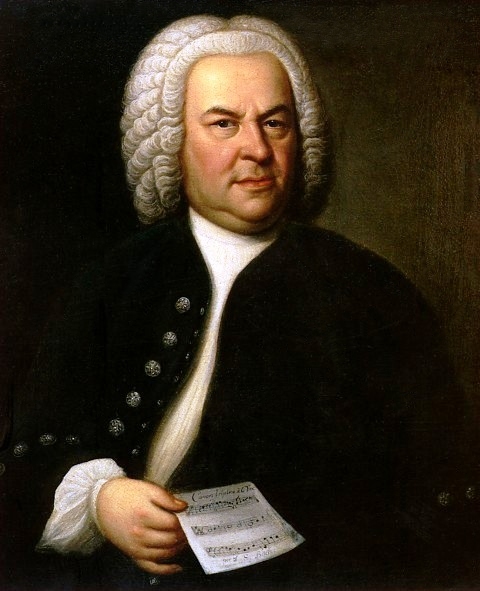
Continue reading Post ID 28512
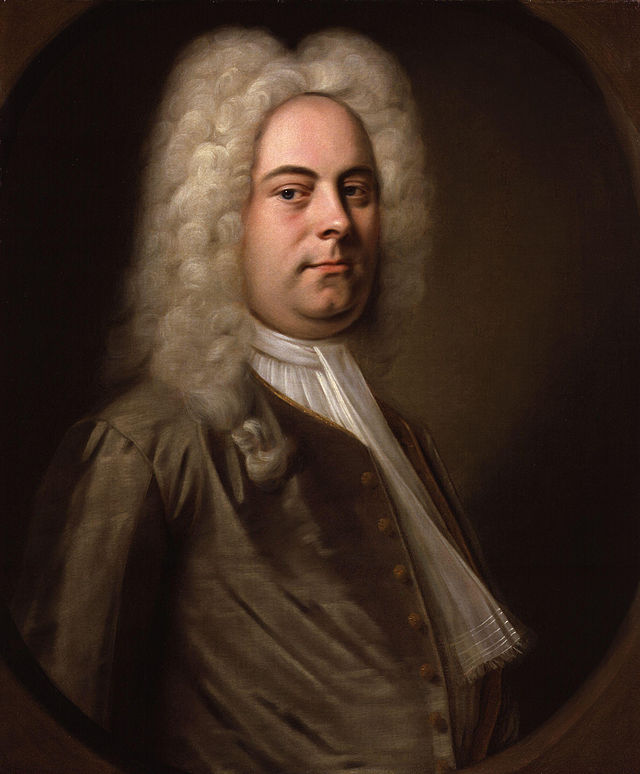
Baroque composer George Handel was born February 23, 1685, in Halle, Germany. In 1704 Handel made his debut as an opera composer with Almira. He produced several operas with the Royal Academy of Music before forming the New Royal Academy of Music in 1727. When Italian operas fell out of fashion, he started composing oratorios, including Messiah. George Handel died April 14, 1759, in London, England
Continue reading Post ID 28512
Composer, Pianist (1756–1791)
A prolific artist, Austrian composer Wolfgang Mozart created a string of operas, concertos, symphonies and sonatas that profoundly shaped classical music.
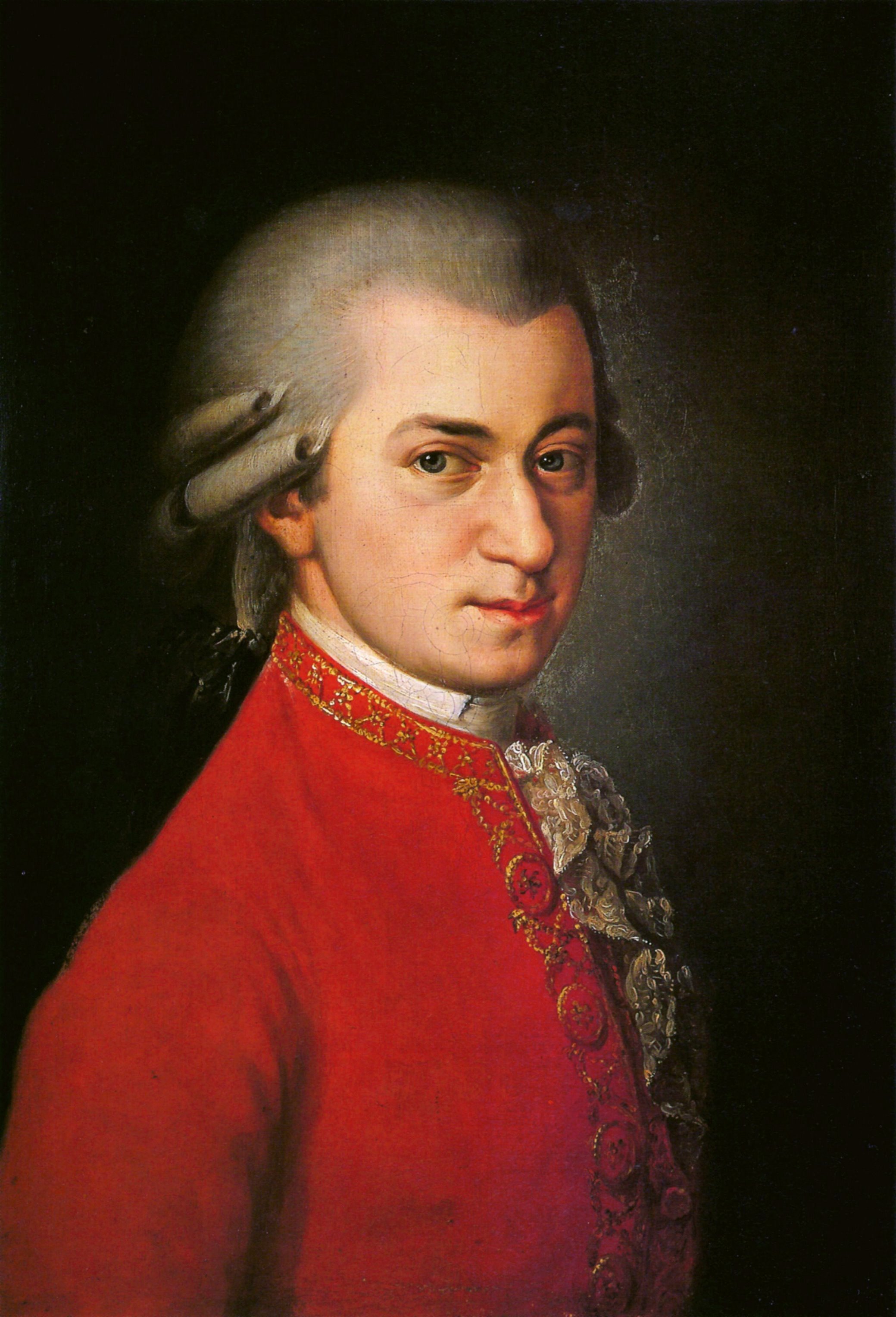
Wolfgang Amadeus Mozart learned the piano at the age of three, and soon developed his skills in all musical forms. Widely recognized as one of the greatest composers of all time, he produced over 600 works.
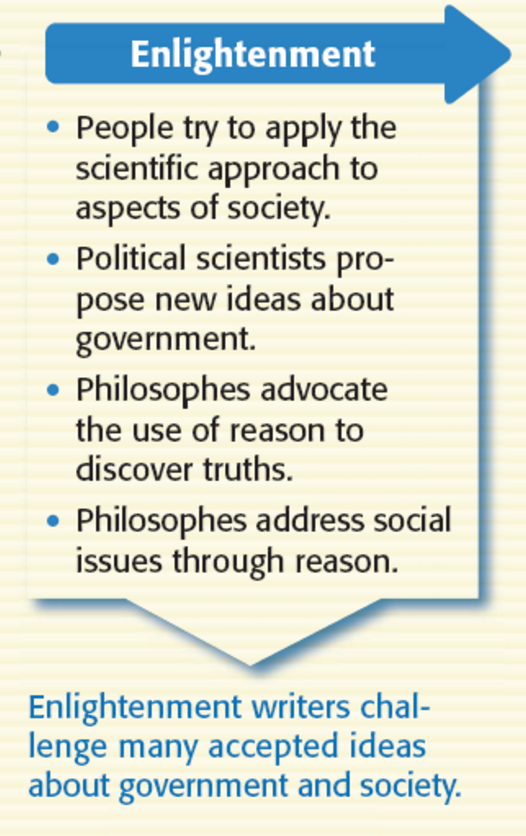 The Age of Enlightenment (1700-1800) Continue reading Post ID 28512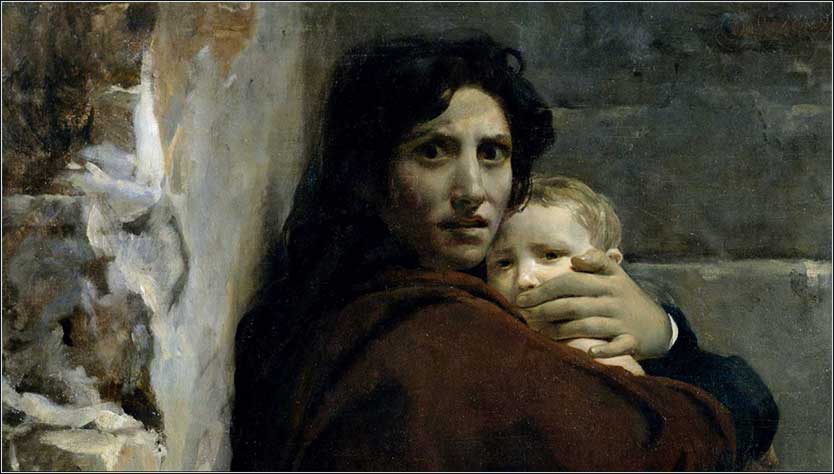
Continue reading Post ID 28512
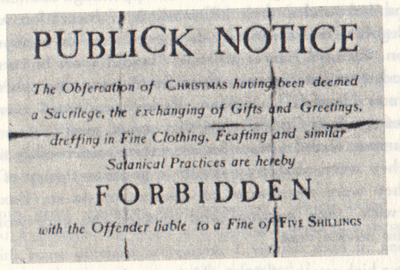
Oliver Cromwell was a Puritan, military leader, and powerful politician in the 17th century Parliament and….
Continue reading Post ID 28512
There once was a flower that was unable to settle down anywhere. From the mountains in Kazakhstan, the flower bulb wandered about in Persia, China and Turkey. Until a Dutch scientist took the bulb with him to a small European country. There the flower enjoyed the climate and the soil, and the inhabitants immediately fell in love with the flower and soon designated it a national symbol. It all sounds like a fairy tale, but this is the true story of the tulip.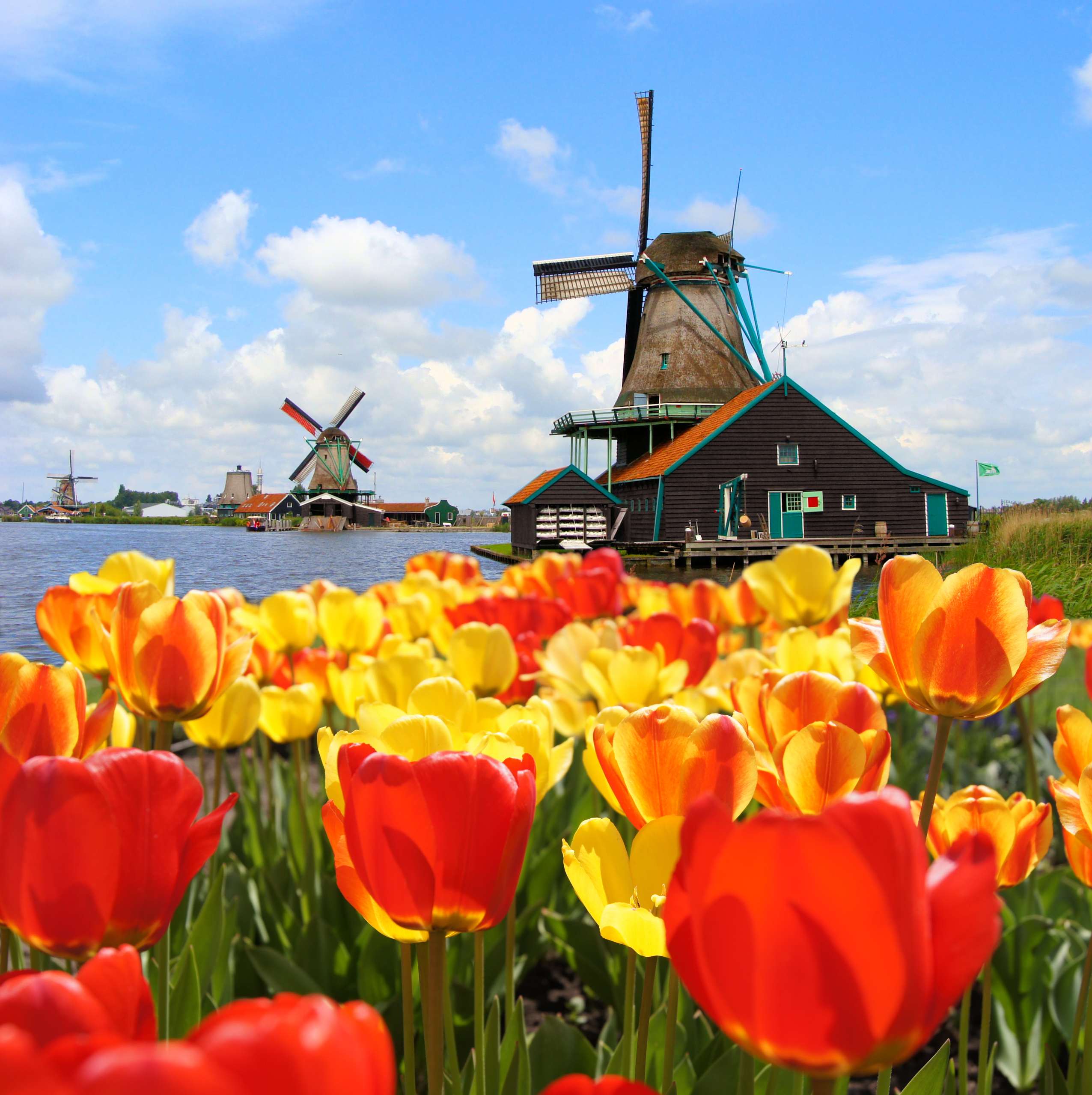 Continue reading Post ID 28512

You must be logged in to post a comment.